Choosing the right garden netting can dramatically reduce pests and help your vegetables thrive. This guide reviews five top nets that balance durability, coverage, and ease of use for American gardens. Each option protects against insects, birds, and small animals while allowing sunlight, air, and water to reach plants. Whether you’re protecting berry bushes, tomatoes, or leafy greens, these nets offer scalable solutions for raised beds, greenhouses, and in-ground plots.
| Product | Brand | Approximate Coverage | Key Benefit |
|---|---|---|---|
| Garden Netting Pest Barrier: 4’x10′ | Garden Tailor | 4 ft x 10 ft | Fine HDPE mesh; strong UV resistance |
| Garden Netting Mesh, 10X100 FT | Froidesente | 10 ft x 100 ft | Ultra-fine mesh with 16 clips for quick setup |
| Feitore Deer Fence Netting, 7 x 100 Feet | Feitore | 7 ft x 100 ft | 3/4 inch square mesh; reusable and sturdy |
| Garden Mesh Netting Kit, 10x33FT | DHXGON | 10 ft x 33 ft | Hoops and clips included; easy year-round use |
| Garden Netting, 2 Pack 10x33FT | RIFNY | 2 x 10 ft x 33 ft | Ultra-fine mesh, high permeability, easy water flow |
Overview: This article highlights nets that fit a range of garden setups—from small raised beds to larger plots. We consider mesh size, durability, installation ease, and weather resistance. Each product is evaluated for how well it protects vegetables, fruits, and flowers without blocking essential sunshine or airflow.
Garden Tailor Garden Netting Pest Barrier
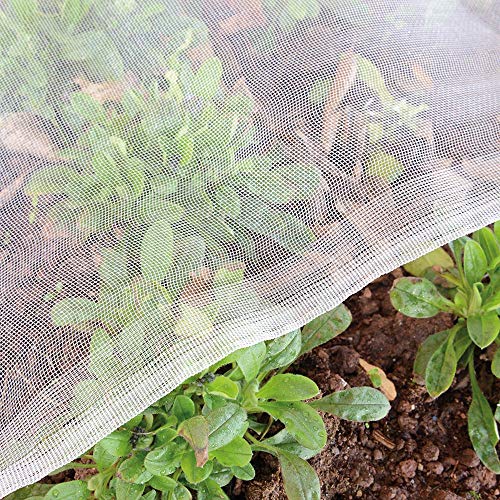
The 4’x10′ netting from Garden Tailor delivers a straightforward solution for medium-row beds and raised gardens. Made from 100% new HDPE material, the mesh offers UV resistance to stand up to sun exposure, while a tight selvedge helps prevent unraveling after wind or handling. It creates a physical barrier against a broad range of pests, including cicadas and aphids, helping vegetables stay healthier and less stressed. The net is lightweight enough for quick deployment across single beds and can serve as a temporary greenhouse cover during vulnerable growth stages.
Features overview: effective bug barrier; all-purpose use beyond gardens (indoors, windows, ponds); durable, UV-resistant material; tight selvedge for long life. For vegetable plots, this netting can be draped over supports or tucked along edges to minimize gaps where pests squeeze through. Its light weight also reduces stress on plant canopies while still providing solid protection during the growing season.
Froidesente Garden Netting Mesh

Froidesente offers a spillover of protection with its 10×100 ft ultra-fine mesh netting and 16 included clips. The tiny mesh (0.8 x 1 mm) is designed to deter a broad spectrum of pests including birds, insects, and small animals, while still allowing air and water to pass freely. The kit is highly adaptable: it can be cut to fit irregular garden shapes and secured with the provided hoops or clips for a sturdy setup. This is especially useful for larger plots or long hedges where a single piece of netting would suffice for multiple rows.
Key considerations: large coverage per roll; precision in pest exclusion thanks to ultra-fine mesh; DIY flexibility to adjust size; reliable protection without obstructing photosynthesis. Gardeners should note that the mesh is thin enough to be potentially touched by sharp branches; ensure edges are secured away from plant foliage to prevent tearing.
Feitore Deer Fence Netting
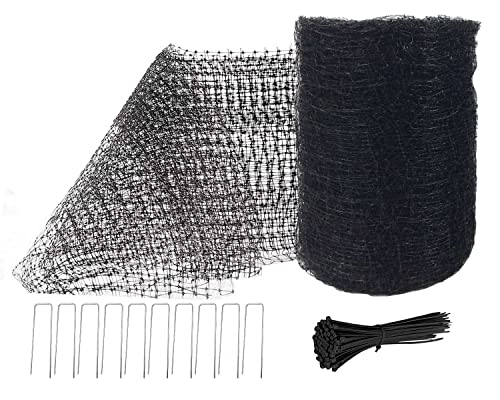
Feitore’s 7×100-foot deer fence netting focuses on deer and larger pests, using a 3/4-inch square mesh to balance protection with plant growth. The polypropylene construction promises durability, resistance to tearing, and reuse across growing seasons. The included installation nails and cable ties simplify setting up around beds, trees, or shrubs. This netting doubles as a multipurpose barrier for birds, rabbits, and other small animals that challenge fruit trees and vegetable plots.
Considerations include durability and reusability, as well as the more substantial footprint suitable for perimeter protection. The color black helps it blend with garden surroundings while providing a clear physical barrier. While it guards against larger animals, it remains permeable enough to avoid creating excessive humidity or shading that could hinder growth.
DHXGON Garden Mesh Netting Kit

The DHXGON kit brings a complete setup: 10×33 feet of heavy-duty polyethylene netting paired with six garden hoops and 12 clips. The hoops are designed to stake into soil for a quick, stable frame, enabling easy year-round protection against insects and birds. The kit’s durability stems from plastic-coated steel pipes and robust clips, making it suitable for raised beds and even some greenhouse applications. Gardeners can DIY different tunnel sizes by adjusting the hoop layout, which adds flexibility for varying plant heights and row widths.
Strengths include a ready-to-use system with included hardware, strong framing, and the ability to deploy a protective tunnel over crops. The mesh’s fine openness still maintains light diffusion and airflow, supporting healthy photosynthesis while keeping pests at bay. The system is best for gardeners who want a semi-permanent, reusable solution with quick assembly and modular expansion options.
RIFNY Garden Netting 2 Pack

RIFNY’s 2-pack combines two 10×33 foot nets with an ultra-fine 0.04-inch mesh. The design emphasizes permeability for air and light, reducing microclimate buildup while protecting crops from pests, birds, and larger intruders like rabbits. The mesh’s transparency helps maintain visibility of plant growth, and the netting’s weight is light enough to drape over crops or secure with clips and weights. This option suits gardeners seeking economical, dual-net protection for multiple rows or beds without sacrificing photosynthesis or irrigation needs.
Important notes: high permeability, allowing water and sunlight through; simple setup for flat rows or small trellises; one package contains two nets, reducing the need for multiple orders. Be mindful of edge security to prevent wind from lifting the netting and exposing crops.
Buying Guide: How To Choose The Right Netting For Your Garden
Mesh size and pest profile: Ultra-fine mesh works best against small insects and birds, but ensure it doesn’t overly restrict airflow or light. For deer and larger pests, consider a heavier, larger-mesh netting with robust perimeter support.
Durability and reuse: Look for UV-resistant HDPE or polypropylene with tight selvedges. Reusable nets save money and effort over multiple seasons, but require proper storage to prevent mildew and tearing.
Coverage and installation: Measure beds and plan for overlap at edges. Kits with hoops, clips, or nails simplify setup. Some nets can be cut to size, while others require precise shapes; choose based on your garden layout—raised beds, greenhouses, or open plots.
Maintenance and access: Nets that allow easy watering and feeding without removal save time. Drawstring designs and zipper access can help protect specific plants while still enabling quick harvests.
Environmental impact: Favor nets with rust- and rot-resistant materials and avoid coatings that could leach into soil. Reuse and proper disposal extend the product’s life cycle and reduce waste.
Visibility and microclimate: Transparent nets help maintain photosynthesis and heat exchange. Consider whether you need shade or insulation enhancements, especially in hot climates or early-season protection.
Budget and scale: For small gardens, a single 4×10 or 10×33 net might suffice. For larger plots, a kit with hoops and multiple nets reduces total cost and simplifies coverage across multiple beds.
Summary of top considerations: match mesh size to pest pressure, ensure durable hardware for long-term use, and choose a setup that fits your garden’s shape and irrigation needs. A modular approach—nets plus hoops or clips—provides flexibility for seasonal changes and crop rotation.
In short, the best net for your vegetable garden depends on pest pressure, garden size, and how you prefer to install and maintain protection. The five options covered here offer a spectrum from simple single-bed protection to scalable, reusable tunnel systems, helping keep vegetables lush, healthy, and productive throughout the growing season.