Gardening in America often means dealing with Japanese beetles and other garden pests without relying on harsh chemicals. The following natural and eco-friendly sprays offer alternative solutions that target beetles while aiming to minimize impact on pollinators, pets, and indoor-outdoor use. This guide highlights five top-rated options, detailing how each works, where they excel, and practical usage tips to keep your plants healthy all season long.
Summary of chosen products
| Product | Brand | Type | Best For |
|---|---|---|---|
| Harris Asian Lady Beetle and Box Elder Killer | HARRIS | Liquid spray | Residential use; odorless, extended residual |
| Bonide Japanese Beetle Killer Ready-to-Use Spray | Bonide | Ready-to-use spray | Contact kill; indoor & outdoor |
| Organic Insecticide for Roses & Flowers | ARBER | Ready-to-spray | EPA-registered organic pest control |
| Deepthi Neem Oil for Plants | Deepthi | Neem oil spray | Natural pest control; aphids, beetles |
| Wondercide Outdoor Pest Control Spray | Wondercide | Essential-oil spray | Broad-spectrum outdoor pest control |
Harris Asian Lady Beetle and Box Elder Killer
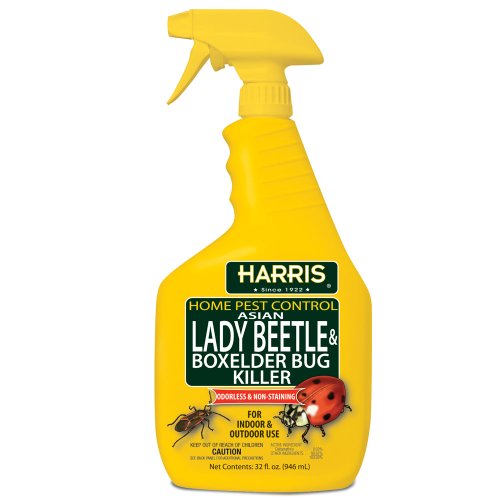
Harris positions this spray as an odorless, non-staining solution that yields an extended residual kill, specifically targeting Asian lady beetles and box elder beetles. The formula is EPA registered for residential use and is designed to kill beetles after the spray dries, maintaining effectiveness for weeks. While it’s not available in California, it can be a practical option for homes seeking a low-odor option that won’t stain fabrics when used per label directions.
Key points: odorless composition, dried-kill action, and long residual effect make it suitable for indoor and sheltered outdoor spaces where beetles are common. Application should follow directions to ensure fabrics and surfaces remain undamaged. Useful for homeowners who want a low-profile spray that minimizes scent complaints while delivering ongoing beetle control.
Bonide Japanese Beetle Killer Ready-to-Use Spray
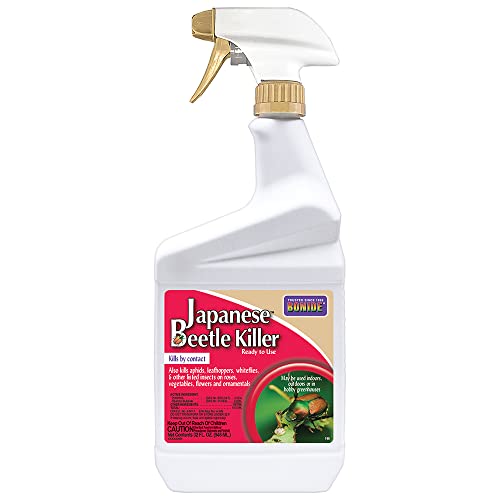
This product is designed for ready-to-use indoor and outdoor control of Japanese beetles and a variety of other garden pests, including aphids, flea beetles, and leafhoppers. It is marketed as suitable for vegetables, flowers, ornamentals, trees, and shrubs, making it versatile for mixed garden beds. The conditioner supports residential use, whether applied to foliage or garden soil areas. Its broad-spectrum action can provide quick knockdown on contact, helping to reduce beetle feeding rapidly.
Best practices include targeting beetle hotspots during the day when beetles are most active, and rotating with other eco-friendly methods to reduce resistance. Considerations include the proximity to pollinator-friendly zones and the need for thorough coverage on affected plants for maximum effectiveness.
Organic Insecticide for Roses & Flowers – 16oz

ARBER’s organic insecticide is EPA-registered and designed to control more than 30 garden pests, including Japanese beetles, aphids, thrips, and mites. The formula emphasizes safety for pollinators and beneficial insects when used as directed, making it a strong choice for eco-conscious gardeners. It promises fast-acting results and a longer-lasting effect with regular reapplication every two weeks for best outcomes. The product is positioned as a versatile option for roses and flowers, as well as other ornamental plants.
Considerations include compatibility with flowering plants, potential impact on beneficial insects if misapplied, and adherence to label directions to preserve bee-friendly practices while managing beetle populations.
Deepthi Neem Oil For Plants
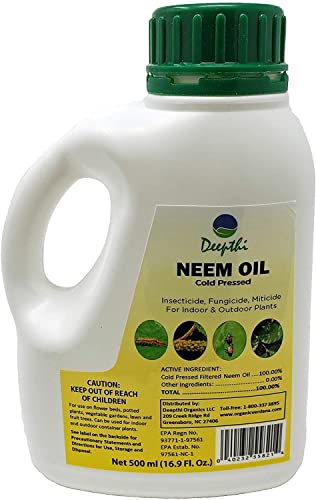
Deepthi’s neem oil spray is a 100% pure, cold-pressed solution intended for both indoor and outdoor use. It targets a broad spectrum of pests, including Japanese beetles, aphids, mites, and caterpillars. Neem oil acts as an insect growth regulator and repellent, offering a natural mode of action with additional fungicidal benefits. It’s particularly appealing for organic gardeners seeking a multi-functional spray that supports plant health and pest suppression without synthetic chemicals.
Practical notes include proper mixing ratios for different plant types, potential phytotoxicity on sensitive species if used in high concentrations, and timing—neem oils are most effective when applied preventively or at the first signs of feeding damage.
Wondercide Outdoor Pest Control Spray

Wondercide offers a natural spray that uses essential oils for broad-spectrum outdoor pest control, including Japanese beetles. It serves as both a preventative and treatment, providing a safe and consumer-friendly alternative to conventional pesticides. The hose-end attachment simplifies application over large outdoor areas, making it suitable for lawns, gardens, patios, and other exterior spaces. The product emphasizes safety for pets and people when used as directed and positions itself as a non-toxic option with practical coverage for up to thousands of square feet depending on water pressure.
Key considerations include the efficacy of essential-oil blends against beetles in your climate, the need for reapplication after rain, and potential scent retention in outdoor spaces. This option is ideal for gardeners prioritizing fragrance-free or low-chemical approaches in open-air settings.
Buying Guide: How To Choose The Right Natural Spray For Japanese Beetles
Choosing the best natural spray depends on plant type, location, and ecological goals. Here are essential purchase considerations and comparisons to help you decide.
- Active ingredients and mode of action — Natural sprays differ in how they control pests, from contact-kill formulations to deterrent oils and neem-based growth regulators. Consider whether you want immediate knockdown or longer-term deterrence.
- Target scope and selectivity — Some products are broad-spectrum, while others focus on beetles or a narrow pest range. If pollinators are a concern, prioritize products that state safe use around bees when used correctly.
- Indoor vs outdoor use — For outdoor spaces, sprays with hose-end attachments or larger coverage may be more convenient. Indoor applications should emphasize odorless formulas and fabric-safe outcomes.
- Plant compatibility — Plants differ in sensitivity to oils and emulsions. Test on a small area first and follow label dilution guidelines to prevent phytotoxicity on delicate foliage.
- Environmental impact — EPA-registered and organic options typically offer better environmental profiles, yet effectiveness varies with climate, beetle pressure, and timing. Weigh eco-friendliness against practical knockdown needs.
- Application logistics — Consider ease of use (ready-to-use vs concentrates), spray coverage, drying time, and whether the spray leaves residues that may affect plant aesthetics or outdoor surfaces.
- Resistance management — Rotate products with different active ingredients when beetle pressure remains high to avoid resistance and sustain effectiveness over multiple seasons.
- Safety and permissions — Check local regulations and regional availability. Some products may be restricted in certain states or regions.
In practice, many gardeners use a layered approach: begin with preventative neem-based or organic sprays in early season, monitor beetle activity, and apply targeted treatments as populations rise. Pairing natural sprays with cultural controls—such as removing beetle-infested foliage, promoting healthy soil, and encouraging beneficial insects—can enhance overall control without relying on synthetic chemicals.