Finding a natural fungicide that protects your lawn without harsh chemicals can be challenging. The following selections emphasize organic or plant-based formulas, broad-spectrum disease control, and safe use around families and pets. This guide highlights five products, comparing how they combat common lawn fungi like brown patch, powdery mildew, rust, and leaf spot while supporting overall turf health.
| Product | Brand | Notable Feature | Best For |
|---|---|---|---|
| Organic Fungicide Liquid | ARBER | Organic, powdery mildew and lawn fungus treatment | Indoor/Outdoor plants and lawn fungus issues |
| Captain Jack’s Copper Fungicide | Bonide | Copper-based, approved for organic gardening | Broad disease control on lawns and ornamentals |
| Gravex 20 EW Fungicide | Atticus | Systemic, curative and preventive | Extensive turf and landscape fungi control |
| DiseaseEx Lawn Fungicide | Scotts | Prevents and controls up to 26 lawn diseases | Lawn disease prevention and early treatment |
| Infuse Systemic Disease Control | Bonide | Systemic, broad-spectrum on turf and ornamentals | Comprehensive lawn disease protection |
ARBER Organic Fungicide Liquid

ARBER’s Organic Fungicide Liquid targets both indoor and outdoor plants, with a focus on lawn fungus treatment and powdery mildew control. The formula is certified organic and designed to promote healthier plants by improving soil health and supporting stronger growth. It provides long-lasting protection against common lawn diseases and stresses, helping to keep turf looking green and robust.
Bonide Captain Jack’s Copper Fungicide

Captain Jack’s Copper Fungicide is a ready-to-use copper-based treatment approved for organic gardening. It provides broad-spectrum control of several diseases and can be used up until the day of harvest on some crops. Copper fungicides help reduce fungal growth on lawns, roses, and ornamentals and are widely used for disease prevention and management in organic gardening programs.
Gravex 20 EW Fungicide

Atticus Gravex 20 EW Fungicide delivers systemic protection with 19.7% myclobutanil. It offers both curative and preventive action, targeting a broad spectrum of turf and ornamental fungi. Its root-to-leaf activity is designed to halt ongoing infections and prevent future outbreaks, addressing issues like brown patch, powdery mildew, rust, and more in lawns and landscapes.
Scotts DiseaseEx Lawn Fungicide
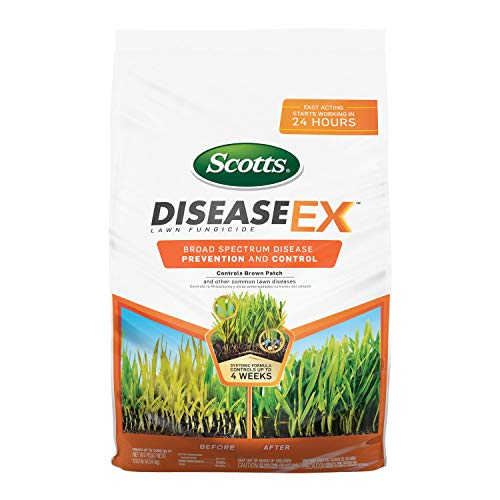
This Scotts product is designed to prevent disease before it appears and to control symptoms within 24 hours of application. It is formulated to treat up to 5,000 sq. ft. and targets 26 listed lawn diseases, including brown patch and powdery mildew. Its quick onset and four-week protection window make it a practical option for seasonal turf care.
Bonide Infuse Systemic Disease Control
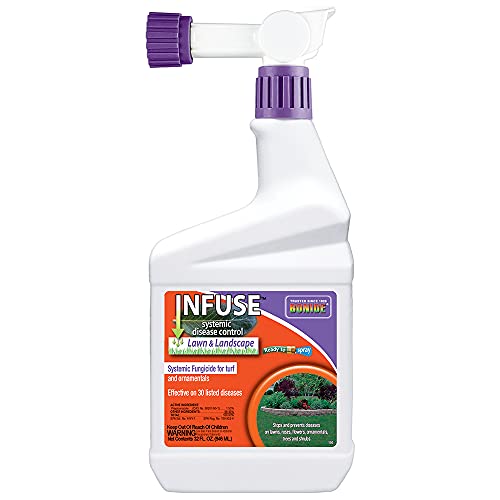
Infuse Systemic Disease Control is a ready-to-spray fungicide that provides broad-spectrum and systemic protection for turf and ornamentals. It helps stop and prevent diseases such as rust, blight, powdery mildew, and leaf spots across roses, flowers, lawns, trees, and shrubs. The systemic action allows the product to move within the plant, delivering defense from root to leaf.
Buying Guide: Key Purchase Considerations
When selecting a natural fungicide for your lawn, consider the following factors:
- Active ingredients and mechanism: Determine whether you prefer copper-based, plant-oil, or azoxystrobin-like systemic products, and understand how they work (contact vs. systemic).
- Scope of diseases: Check the product label for the specific fungi it controls (brown patch, rust, powdery mildew, leaf spot, etc.).
- Safety and usage: Evaluate pet and family safety, indoor/outdoor use, and any必 cautions for application around water sources or edible plants.
- Persistence and interval: Review how long protection lasts and how often you need to reapply to maintain turf health.
- Environmental impact: Consider organic or plant-based options if minimizing chemical exposure is a priority.
- Application method: Choose based on lawn size, ease of use (spray vs. concentrate), and compatibility with other turf management practices.
- Label compliance: Always follow label directions for dilution, intervals, and harvest or usage restrictions.