Protecting a free-ranging flock often requires a reliable, movable fence system. This guide highlights five practical options that balance portability, setup speed, and predator protection. From lightweight boundary nets to powered electric enclosures, readers can compare performance, durability, and ease of use to choose a fence that fits their yard, coop, and climate.
Summary Table of Chosen Products
| Product | Brand | Key Strengths | Approximate Coverage |
|---|---|---|---|
| RentACoop Non-Electric Boundary Fence 48″ x 100′ | RentACoop | Boundary versatility, lightweight, two fences in one | 100 feet per fence (two fences possible) |
| Toriexon Non Electric Fence Netting 48″x65′ | Toriexon | Robust posts, windproof, portable | 65 feet per setup |
| Happy Henhouse Electric Poultry Netting 164′ x 48′ | Happy Henhouse | Built-in posts, predator protection, weatherproof | 164 feet total |
| RentACoop Poultry Netting Electric Fence 168′ x 48′ | RentACoop | Durable FRP posts, long reach, easy expansion | 168 feet total |
| Premier 1 Portable PoultryNet Electric Fence 48″ x 164′ | Premier 1 Supplies | Highly portable, tall 48″ height, strong predator deterrence | 164 feet total |
Note: All products are designed for small to mid-sized flocks and vary in the need for power sources, post installation, and weather tolerance. Review each set to determine the best fit for your space and flock behavior.
RentACoop Non-Electric Boundary Fence 48″ x100′ – Suitable for Chickens or Other Animals

The RentACoop boundary fence is a lightweight, non-electric solution designed to create a secure space for chickens and other small animals. It functions well as a boundary to keep predators out and your flock contained while offering easy customization by cutting the netting to form two separate enclosures, thanks to an extra post included with each fence. Setup emphasizes speed and portability, making it suitable for temporary runs or seasonal yard rotations. The design supports quick relocation without heavy equipment, which is ideal for urban or suburban settings where space is shared and vegetation changes with the seasons.
Key considerations include the fence material’s weather resistance, ease of transport, and the need to monitor the netting for sagging in high winds. Users should ensure there are no gaps along the ground that could allow entry by predators or escape for birds that scratch aggressively. The product’s dual-fence capability provides some flexibility for rotating flocks between different areas or for creating a larger enclosure by connecting multiple sections.
Toriexon Non Electric Fence Netting 48″x65′, Boundary Fence with Double Spiked Posts

The Toriexon boundary fence uses robust non-electric construction with high-strength PE wire mesh and multiple fiberglass posts reinforced by double-spiked steel stakes. This setup prioritizes stability and resistance to sagging, aided by windproof ropes and stakes when needed. The design favors a taller, sturdier perimeter that helps confine poultry while withstanding gusty conditions. Its portability allows quick deployment in yards, gardens, or fenced-in areas where poultry roam. For households with curious dogs or unpredictable weather, the additional windproof features can be advantageous.
Happy Henhouse Electric Poultry Netting – Premium, Portable & Weatherproof 48″ x 164′ Net
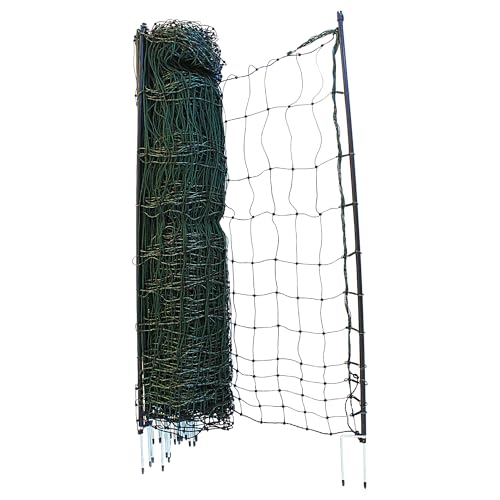
This electric netting from Happy Henhouse provides an extended run with integrated stakes and weatherproof materials designed to protect flocks against common predators. The 164-foot length, paired with built-in fiberglass poles, enables straightforward, tool-free setup. The net is designed to be UV-resistant and capable of withstanding seasonal changes, making it suitable for gardens and farms alike. The high 48-inch height improves containment for flight-risk birds and offers a barrier that deters curious predators while maintaining visibility for owners and birds alike. Users should be mindful of energizer requirements and safety guidelines per local regulations.
RentACoop Poultry Netting Electric Fence – 168′ x 48′

This electric fence from RentACoop offers extended reach with 168 feet of coverage at 48 inches tall, designed to protect poultry from predators while keeping birds away from gardens and roads. The system includes pre-attached FRP posts every 12 feet and a triple-braided stainless-steel wire for reliable fencing. An energizer is required, sold separately, to deliver a deterrent voltage while maintaining safety for poultry and other animals. The fence is ideal for larger yard spaces or rotating runs that require a strong perimeter quickly and with minimal setup effort.
Premier 1 Portable PoultryNet Electric Fence | Quick & Simple to Move
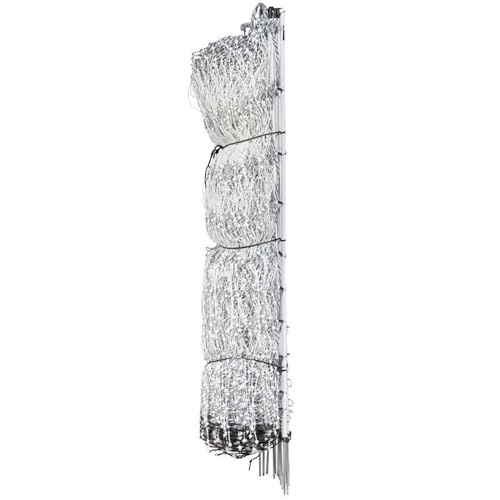
The Premier 1 Portable PoultryNet combines portability with a robust 48-inch height and 164 feet of length. It uses 12 horizontal strands with verticals every three feet to create a tight enclosure that deters ground-based predators while allowing birds to roam within a defined space. Built-in single-spike posts every 10 feet reduce setup time and simplify relocation. This option is well-suited for active flocks and areas where predators are present, or where birds need secure yet flexible access to different yard zones. The fence is designed for frequent movement, making it a preferred choice for seasonal pasture planning or dynamic coop layouts.
Buying Guide: Key Purchase Considerations
- Fence Type: Non-electric vs electric fences. Non-electric fences are easier to install and maintain with no energizer required, ideal for beginners or spaces with strict safety requirements. Electric fences deliver stronger predator deterrence but require an energizer and careful handling to ensure poultry safety.
- Height and Coverage: Chickens are generally kept within 42-48 inches high to reduce escapes, with taller options (48 inches) offering extra protection against larger predators. Consider total available space and the length of fence needed per run.
- Portability: If you rotate birds across different areas or frequently relocate runs, prioritize lightweight designs, built-in posts, and simple assembly. Look for fences that can be detached or reconfigured quickly.
- Durability: Weather resistance, post stability, and material quality affect long-term performance. Windproof features, reinforced stakes, and UV-resistant netting help extend life in outdoor settings.
- Predator Protection: Electric fences provide ongoing deterrence against foxes, raccoons, and coyotes, while non-electric nets rely on physical barriers to reduce access. Align the choice with local predator pressure and regulations.
- Ease of Setup: Tool-free assembly, integrated posts, and clearly labeled components save time. Consider whether you need to install alongside a coop or in a garden boundary.
- Maintenance and Safety: Regular inspection for sagging, loose posts, or frayed netting is essential. If using electric fencing, follow safety guidelines for energizer settings, grounding, and wildlife interactions.
- Expansion Potential: Some systems connect sections to expand coverage. Think about future flock size or seasonal changes that might require larger enclosures.
Across these options, the choice hinges on how much predator pressure you face, how far you want birds to roam, and how much time you can invest in setup and maintenance. For lightweight, reusable runs, non-electric nets provide flexibility. For stronger deterrence and larger spaces, electric fences from reputable brands offer durable, scalable solutions. Always verify product compatibility with local regulations and ensure safe energizer usage where applicable.