Answering the common question for mountain homeowners and landscapers: choose cool-season seed blends engineered for high elevations, drought tolerance, and shade-to-sun versatility. This guide highlights five top options that perform well in Colorado, Utah, Montana, Wyoming, and similar regions. It explains who each product is best for, why it stands out, and any limitations to consider. The table below gives a quick snapshot to help you compare at a glance.
| Product | Best For | Why It Stands Out |
|---|---|---|
| Jonathan Green (10383) Black Beauty Rocky Mountain | Cool-season lawns in high-altitude, mixed sun/shade | Deep-rooted, moisture-retaining tall fescue with bluegrass and rye for uniform growth in the Rocky Mountain climate |
| Scotts Turf Builder Tall Fescue Mix | Overseeding large problem areas and new lawns | Fast establishment, fertilizer included, good drought tolerance |
| Scotts Turf Builder Grass Seed Sun & Shade Mix | Sun and shade environments | Root-building nutrition for strong roots, versatile in variable light |
| Scotts Kentucky 31 Grass Seed Mix | Large areas needing a durable, economical mix | Premium blend with heat and drought tolerance plus fast germination components |
| Cabin Grass Seed Mix | Erosion control and low-growing ground cover | Drought-tolerant, non-GMO mix designed for dry, open spaces and minimal mowing |
Jonathan Green Black Beauty Rocky Mountain Grass Seed Mix

Product overview: A cool-season lawn seed mix designed specifically for the high-altitude Rocky Mountain states — Colorado, Montana, Utah, and Wyoming. It blends Black Beauty turf-type tall fescues with Blue Panther Kentucky bluegrass and elite perennial rye to work well in both sunny and shady areas. The mix supports moisture retention through deep roots (up to 4 feet) and a waxy leaf coating that helps reduce evaporation. It aims for a uniform growth habit rather than clumps, which is desirable for a tidy lawn appearance in uneven mountain soils.
Best for: Buyers seeking a mountain-tested blend that performs across sun and shade with a focus on moisture retention. Ideal for homes in high elevations and semi-arid climates where watering can be a premium consideration.
Why selected: It explicitly targets Rocky Mountain growing conditions, and the inclusion of multiple cool-season grasses helps maintain color and density in variable mountain microclimates.
Caution: As with many cool-season mixes, establishment takes consistency—irrigation and proper mowing schedules influence final density. It’s not a dedicated drought-only mix, so plan for supplemental watering during dry spells.
The Andersons Stadium Mix Kentucky Bluegrass Seed

Product overview: A top-tier Kentucky bluegrass mix used on some of the nation’s leading sports fields. It emphasizes dark green color, wear tolerance, and disease resistance. The seed is coated with Watergard NP to enhance 2X water retention, supporting better establishment in challenging climates where water access may be limited.
Best for: Buyers seeking a durable, professional-grade bluegrass blend for highly-trafficked areas or lawns that require strong wear tolerance and a premium look.
Why selected: The stadium-grade reputation suggests good density and color retention, which can translate well to mountain lawns that experience heavy use or need more resilient turf.
Caution: The focus here is on wear tolerance; for sloped or erosion-prone mountain sites, pairing with an erosion-control seed mix or stabilizing ground cover may be necessary.
Scotts Turf Builder Rapid Grass Tall Fescue Mix
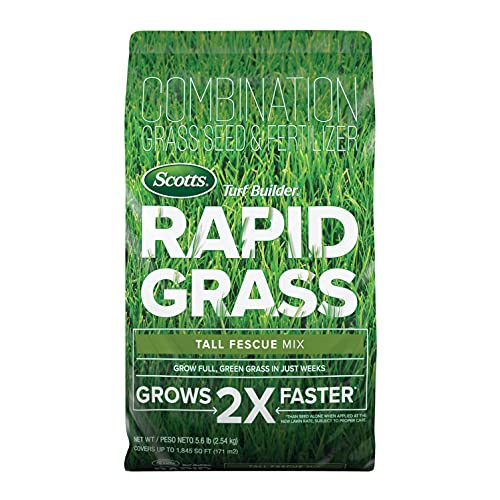
Product overview: A fast-establishing tall fescue seed blend that combines seed and lawn fertilizer in one product. It promises turf that grows green quickly when used as part of a lawn renovation or new lawn installation, with tall fescue’s known drought tolerance and adaptability to cooler mountain climates.
Best for: Buyers who need rapid establishment and a combined seed-and-fertilizer solution for difficult-to-establish mountain lawns or for repairing thin patches after winter damage.
Why selected: The 2X faster growth claim makes it appealing for urgent lawn reinforcement in short growing seasons, a common consideration in higher elevations. It also simplifies care by including fertilizer in the mix.
Caution: For best results, follow local watering practices and avoid over-application of fertilizer to prevent leaf burn in hotter mountain afternoons or during drought periods.
Scotts Turf Builder Grass Seed Sun & Shade Mix

Product overview: A versatile seed mix designed to thrive in both full sun and dense shade. It includes Root-Building Nutrition to help establish deep roots for a stronger lawn. The blend is intended to grow a thick, green turf while adapting to varied light conditions often found in mountain landscapes with mixed tree canopies or shaded terraces.
Best for: Buyers with varied sun exposure across property or those renovating shaded lawn areas under pines or aspen trees in mountain regions.
Why selected: Its emphasis on deep rooting and adaptability to sun and shade can help stabilize lawns across microclimates in mountainous neighborhoods, reducing gaps and thinning in problematic spots.
Caution: Shade-adapted mixes may underperform in extreme heat or drought; ensure supplemental irrigation plans align with local climate patterns.
Scotts Kentucky 31 Grass Seed Mix
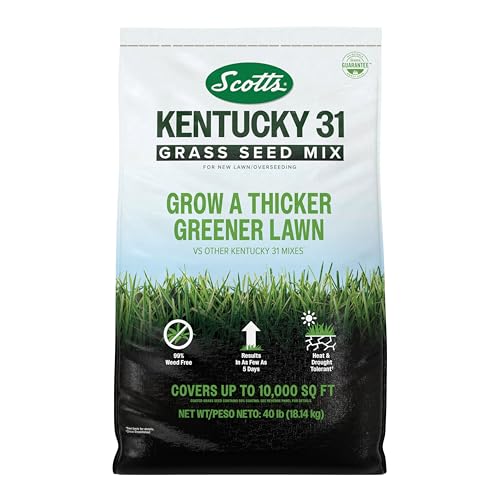
Product overview: A robust mix featuring Kentucky 31 tall fescue, with additional premium tall fescue and annual ryegrass to enhance density and growth rate. It’s designed to tolerate heat and drought after establishment and tolerates various conditions including full sun to moderate shade.
Best for: Buyers seeking an economical, durable solution for large lawns or replacement projects where cost-per-square-foot matters and quick cover is beneficial.
Why selected: The combination of seed types aims to balance initial density with longer-term resilience, making it suitable for mountain properties with varied weather and water access.
Caution: Not all components are optimized for extreme drought only scenarios; plan water strategy accordingly to maintain seedling health in dry seasons.
Cabin Grass Seed Mix
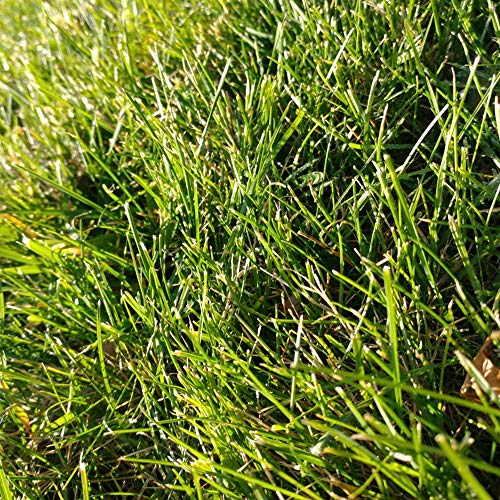
Product overview: A non-GMO erosion control and drought-tolerant blend marketed for dryland turf, including grasses like sodar streambank wheatgrass and crested wheatgrass with sheep fescue. It’s designed to be low-growing and suitable for infrequently mowed landscapes, making it a practical option for slopes and rocky terrain common in mountain settings.
Best for: Buyers dealing with erosion-prone slopes, stream banks, or open, dry spaces where quick ground cover is needed with minimal mowing requirements.
Why selected: Its erosion-control focus and drought tolerance address terrain challenges often found in mountain landscapes, especially on hillsides or near water features.
Caution: This blend is not primarily a turf lawn mix; for formal or high-traffic lawns, pairing with a denser seed blend may be necessary to achieve a traditional lawn look.
Buying Guide: Mountain Grass Seed Purchase Considerations
What climate factors matter most?
Mountain regions frequently combine cool temperatures with varying moisture, high winds, and intense sun exposure at altitude. Choose blends with deep-rooting grasses, drought tolerance, and good wear resistance to handle these conditions. Look for mixes marketed for high elevations or semi-arid climates and prefer cool-season grasses like tall fescues, Kentucky bluegrass, and perennial ryegrass for resilience across seasons.
Shade, sun, and soil considerations
Assess how much sun your lawn receives daily. If portions are shaded by trees or buildings, select a sun/shade mix or a shade-tolerant component. For sun-drenched slopes, prioritize drought-tolerant, deep-rooting grasses that resist evaporation. Soil quality matters; prepare the seedbed with proper grading, aeration, and moisture management to support germination and root establishment.
Establishment speed vs. long-term density
Some blends promise rapid germination and growth (for example, mixes with fertilizer). Others emphasize density and color over time. Decide whether you need quick cover to prevent erosion or a longer-term, dense lawn with a premium appearance. In mountain settings, gradual establishment paired with consistent irrigation often yields durable results.
Watering and maintenance strategy
Cool-season grasses perform best with consistent watering during establishment and dry spells. Avoid overwatering, which can promote disease or thatch buildup. In arid mountain areas, plan a scheduled irrigation approach aligned with local weather patterns and seasonal precipitation. Regular mowing, fertilization timing, and aeration contribute to the lawn’s health and resilience.
Cost, coverage, and scalability
Consider your lawn size and the seed coverage rate. Larger areas benefit from economical mixes (like Kentucky 31) when paired with a proper lawn-care regimen. For slopes or erosion-prone zones, erosion-control blends can prevent soil loss, while standard turf mixes serve as the backbone of a home lawn.
Maintenance dependencies and limitations
All seeds require ongoing care: irrigation, mowing, and occasional overseeding. Some products include a fertilizer component or water-retention coatings, which can simplify early care but still require attention to weather and soil conditions. If you’re in a region with highly variable snowfall or freeze-thaw cycles, select blends known to tolerate such cycles and maintain cover through winter.
Frequently Asked Questions
- What seed mix is best for high elevations? Choose cool-season blends designed for Rocky Mountain or high-altitude climates, including tall fescue, Kentucky bluegrass, and perennial ryegrass components for resilience and density.
- Can I use these mixes on shaded mountain lawns? Yes, some mixes are formulated for sun and shade; prioritize blends labeled for both to ensure better establishment in mixed light conditions.
- How long does it take for mountain seed to establish? Establishment varies by mix and conditions but typically ranges from several weeks to a couple of months with proper irrigation and mowing schedules.
- Should I fertilize immediately after seeding? Follow product instructions; some blends include fertilizer in the mix, while others require a separate fertilization plan after germination to support growth.
- Are erosion-control seed mixes suitable for lawns? Erosion-control mixes are designed for slopes and disturbed ground; for formal lawns, pair with a turf-specific blend to achieve desired density and appearance.
- Is a fast-germinating mix better for mountain lawns? Fast germination helps establish cover quickly, which can reduce soil erosion. However, ensure the variety’s long-term density and drought tolerance meet your needs.