A thriving monarch habitat starts with milkweed. This guide highlights five top products that support monarch butterflies, pollinators, and biodiversity. Each option offers a mix of seeds or live plants designed to establish nectar sources and larval host plants. Read on to compare varieties, growth traits, and garden suitability to pick the best fit for your climate and garden style.
Summary table of chosen products:
| Product | Brand | Type | Notes |
|---|---|---|---|
| Milkweed Seeds Collection | Seed Needs | Seed Pack (5 varieties) | Mix of pink, orange, white, and common milkweed seeds for diverse habitats |
| Milkweed Seeds 4 Variety Pack | Gardeners Basics | Seed Pack (4 varieties) | Includes rose, showy, butterfly, and common milkweed varieties |
| Pink Milkweed Live Plants | Generic | Live Plants | 2-pack, pink swamp milkweed, immediate garden impact |
| Monarch Butterfly Wildflower Mix | HOME GROWN | Bulk Seed Mix | Over 20,000 seeds, includes milkweed and nectar flowers for year-round color |
| Showy Milkweed Seeds | SURVIVAL GARDEN SEEDS | Seed Pack | Asclepias speciosa, drought-tolerant host with pink-purple blooms |
Seed Needs Milkweed Seeds Variety Pack
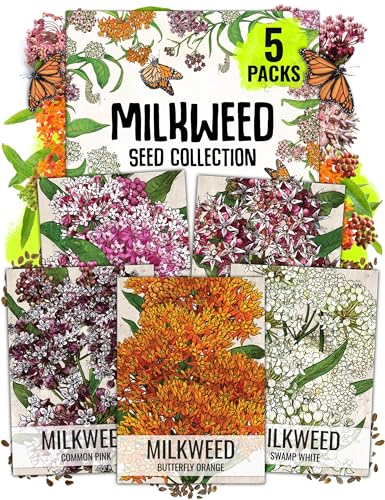
The Seed Needs Milkweed Seeds Collection provides five distinct varieties to create a robust monarch habitat. This mix includes Showy Milkweed (Asclepias speciosa), Pink Swamp Milkweed (Asclepias incarnata), White Swamp Milkweed (Asclepias incarnata), Orange Butterfly Milkweed (Asclepias tuberosa), and Common Milkweed (Asclepias syriaca). These selections support monarch larvae and provide nectar for adults. The ecological value is boosted by plant diversity, which also benefits other pollinators and local wildlife. Ideal for gardeners seeking seasonal variety and resilient plantings that endure different soil types.
Key features emphasize pollinator attraction, monarch larval support, and ecological importance. The seeds are suited for establishing a meadow-style bed or a mixed border, offering a long flowering window for nectar-seeking insects. This option is best for gardeners comfortable with starting seeds indoors or directly sowing in prepared garden beds. It’s particularly useful for expanding a monarch-friendly landscape across multiple growing seasons.
Gardeners Basics Milkweed Seeds 4 Variety Pack
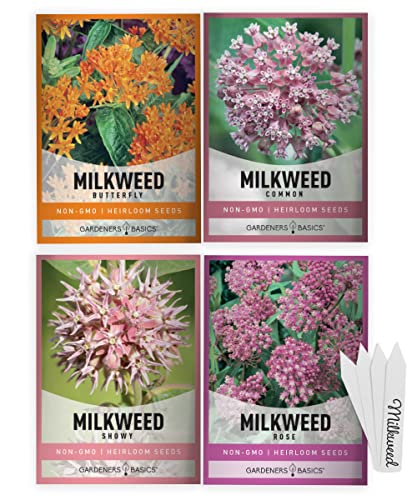
The Gardeners Basics 4 Variety Pack offers four milkweed cultivars—rose, showy, butterfly, and common milkweed—designed to diversify nectar sources and larval hosts. This assortment supports monarchs by increasing the likelihood of successful egg-laying and caterpillar feeding, while also attracting bees and other pollinators. The variety approach helps adapt planting to regional conditions, as some species tolerate different soil types and microclimates. This pack provides a practical balance of aesthetics and ecological function for a mid-to-large garden setting.
Planting considerations include timing, germination rates, and post-sowing care. Gardeners should prepare well-drained soil, monitor moisture, and provide at least partial sun to optimize germination and bloom. Because the seeds are open-pollinated, gardeners may experience genetic variability year to year, which can be advantageous for resilient pollinator habitats.
Generic Pink Milkweed Live Plants

These pink swamp milkweed live plants arrive at 4-6 inches tall and are ready to establish in the garden. Live plants offer immediate impact, providing monarch caterpillar host leaves and early-season nectar sources for visiting butterflies. This option is suitable for gardeners who want quick habitat creation without the need to start seeds. The pink flowers add visual appeal while supporting pollinator activity from mid-summer through early fall.
Care considerations include ensuring good drainage, adequate sunlight, and steady moisture during establishment. As per their packaging from a family nursery, the plants are prepared for smooth transport and ready-to-grow status. Pink milkweed varieties typically attract monarchs effectively and contribute to local pollinator networks beyond just monarchs.
HOME GROWN Monarch Butterfly Wildflower Mix

The HOME GROWN seed mix emphasizes a broad pollinator habitat by combining more than 20,000 seeds with a core focus on milkweed and nectar-rich flowers. It’s designed to create year-round habitat for monarchs, bees, and hummingbirds. The blend supports season-long color and biodiversity, turning open spaces into thriving pollinator meadows. It’s well-suited for large beds, meadows, or wildflower borders where maintenance is manageable and long-term bloom is desirable.
Cultivation notes include a spring or fall sowing window, light raking to cover seeds, and regular watering until germination. The mix’s perennial elements help establish lasting habitat, while annuals provide immediate nectar sources. Gardeners should consider regional climate and soil conditions to achieve the best results and ensure compatibility with existing plantings.
Showy Milkweed Seeds for Planting – Asclepias Speciosa
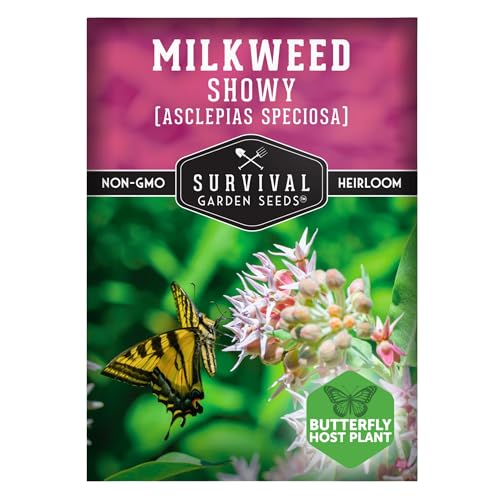
The Showy Milkweed Seeds from SURVIVAL GARDEN SEEDS focus on Asclepias speciosa, a native, drought-tolerant host plant ideal for monarchs. This seed pack is designed for prairie restoration, xeriscaping, and pollinator borders, delivering hardy plants with meaningful monarch host potential. The drought tolerance reduces irrigation needs, making it suitable for arid regions or water-conscious landscapes. The bloom period adds aesthetic value while supporting monarch larval development and adult nectar for a sustained pollinator presence.
Germination expectations and zone suitability (USDA 3-9) are typical considerations for this variety. Gardeners should plan for proper spacing and sun exposure to maximize bloom display and host-plant availability for monarchs during peak seasons. As with many native seeds, establishing a robust root system early helps ensure resilience through dry spells and temperature fluctuations.
Buying Guide: Key Considerations For Monarch-Friendly Plantings
When selecting milkweed and related pollinator plants, consider climate, soil, and how much maintenance you want to invest. These factors influence monarch larval hosting, nectar supply, and overall garden resilience.
- Milkweed species and host value: Different species host monarch caterpillars at varying efficiencies. Native species generally perform best in supporting monarchs and local ecosystems.
- Seed vs. live plants: Seeds offer cost efficiency and biodiversity across your landscape but require more time to establish. Live plants provide immediate habitat but may demand more upfront care and higher investment.
- Soil drainage and sun exposure: Most milkweeds prefer well-drained soil and full sun to partial sun. Adequate sunlight supports robust flowering and caterpillar growth.
- Germination and establishment: For seeds, follow stratification and sowing guidelines. Some varieties may benefit from cold stratification or light exposure to trigger germination.
- Bloom timing and nectar succession: Choose a mix of early, mid, and late-blooming plants to provide nectar throughout the season, ensuring monarchs have ongoing resources.
- Water needs and drought tolerance: Drought-tolerant varieties reduce irrigation but still require initial moisture for establishment. Plan irrigation accordingly during establishment.
- Habitat diversity: Combine milkweed with nectar plants to create a richer habitat for multiple pollinators, increasing garden resilience against pest pressures and climate variability.
- Maintenance and longevity: Perennial milkweeds offer long-term habitat with less annual replanting, while some annuals or biennials can expand nectar sources quickly.
- Ecological impact: Native and well-adapted varieties support biodiversity, including bees, butterflies, and birds, creating a holistic pollinator garden.
In summary, the best approach is a mix of seed packs and some live plants to establish quick habitat while building a diverse, sustainable monarch garden over time. Consider local climate and space constraints, and aim for a combination of host plants and nectar sources to maximize monarch activity and long-term garden health.