Gardening success often hinges on keeping plants free from powdery mildew and other fungal diseases. The following Mildew Sprays for plants are commonly used by indoor and outdoor gardeners to protect foliage, preserve yields, and support healthy plant growth. This guide highlights five reputable products, detailing their active ingredients, safety claims, and practical usage. Each option balances effectiveness with considerations like organic compliance, environmental impact, and ease of use.
| Product | Brand | Key Benefit |
|---|---|---|
| Grower’s Ally Fungicide Spray | Grower’s Ally | OMRI listed, organic-friendly, broad pathogen protection |
| Trifecta Crop Control | Trifecta | All-natural formula, pest & mildew control, safe for edible crops |
| Bonide Fung-onil | Bonide | Broad-spectrum control for leaf spot, rust, blight, mildew |
| FortaGrow Plant Disease Control | FortaGrow | Thyme oil-based, plant-safe, contact protection |
| Earth’s Ally 3-in-1 Spray | Earth’s Ally | Insecticide, fungicide, miticide in one, OMRI listed |
Grower’s Ally Fungicide Spray for Plants

Grower’s Ally Fungicide Spray is designed for both indoor and outdoor use, offering protection against powdery mildew, alternaria blight, root rot, crown rot, and stem rot. The formula emphasizes safety for organic gardening, being FIFRA 25(b) exempt and OMRI Listed, with a food-grade citric-acid base. It acts as a natural disinfectant, reducing bacterial growth while forming a protective barrier on leaf surfaces when used preventatively. This product is particularly suitable for gardeners seeking a plant-friendly option that aligns with organic practices.
Trifecta Crop Control Ready to Use
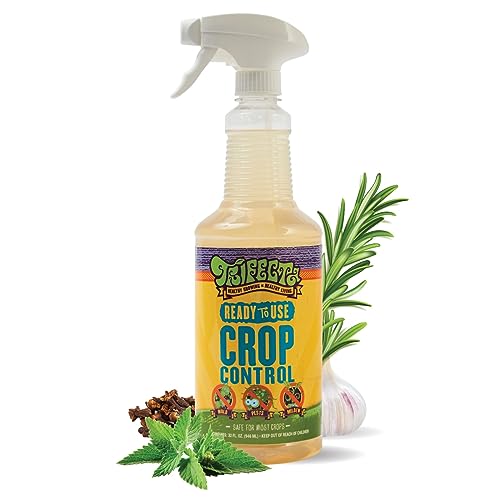
Trifecta Crop Control is an all-natural, plant-based formula that targets a broad spectrum of pests and diseases, including powdery mildew, botrytis, and mold. It’s designed for use on indoor and outdoor plants and is safe for edible crops, with a focus on reducing chemical residues. The product emphasizes fast coverage and a non-residue, odor-free finish, making it suitable for homes, gardens, and small-scale growing operations. Its essential oil composition is intended to support ongoing plant health without harming beneficial insects.
Bonide Fung-onil Multi-Purpose Fungicide

Bonide Fung-onil Multi-Purpose Fungicide provides broad-spectrum protection against a range of fungal diseases, including leaf spot, rust, blight, and mildew. The product uses chlorothalonil as its active ingredient to help prevent disease establishment and spread on a wide variety of plants. It is designed to be used as a preventive spray and can be applied across vegetable plots, ornamentals, and garden beds. Consider this option for traditional gardening setups where chemical control remains a standard practice.
FortaGrow Plant Disease Control Spray

FortaGrow Plant Disease Control Spray uses natural thyme oil as its active ingredient, providing a plant-based antifungal approach. It targets common foliar diseases such as powdery mildew, botrytis, and other pathogens with a focus on a kitchen-to-garden friendly formula. The thyme oil base is marketed as safe for indoor or outdoor use and suitable around children and pets when applied as directed, appealing to households seeking a non-synthetic option for disease prevention and control.
Earth’s Ally 3-in-1 Plant Spray

Earth’s Ally 3-in-1 Plant Spray combines insecticide, miticide, and fungicide action in a multi-purpose formula. It leverages botanical oils to control pests while also addressing powdery mildew and other diseases. The product emphasizes safety for pollinators, kids, and pets, making it a versatile choice for gardeners looking to consolidate sprays. Its OMRI-listed status supports organic gardening practices, though users should follow label directions for specific crop compatibility and application timing.
Earth’s Ally Disease Control Concentrate

Earth’s Ally Disease Control Concentrate is a concentrated fungicide treatment designed to tackle powdery mildew, blight, black spot, and other common plant diseases. Formulated with citric acid, it positions itself as a safer alternative to harsher chemicals, aiming to protect fruits, vegetables, flowers, and ornamentals. As a concentrate, it requires dilution before use, enabling gardeners to tailor coverage to plant size and disease severity while maintaining an organic-friendly profile.
BioAdvanced 3-in-1 Insect And Mite Spray

BioAdvanced 3-in-1 Insect and Mite Plant Bug Spray offers a combination approach for roses, flowers, shrubs, and trees. It controls listed insects, diseases, and mites, delivering preventive and curative action across a range of crops. With a broad coverage claim (treats up to many roses), this option is positioned for homeowners and small-scale growers who need a comprehensive spray that can simplify pest and disease management in one product. Consider usage on ornamental plants and edible crops where permitted by label directions.
Buying Guide: Key Considerations For Choosing A Mildew Spray
Active Ingredient And Spectrum
Evaluate whether the product targets powdery mildew specifically or offers broader disease control. Natural, plant-based formulas (thyme oil, citric acid, essential oils) can be gentler on beneficials and pets, while synthetic fungicides may deliver faster, more robust results in severe outbreaks.
Organic And Safety Claims
OMRI listing, FIFRA exemption, and organic-certification can influence suitability for organic gardens. Consider safety claims for households with children, pets, or pollinators, and confirm label directions regarding edible crops and post-application restrictions.
Indoor vs Outdoor Use
Some products are labeled for indoor use only, while others are formulated for both environments. For balcony gardens or kitchen herbs, a product optimized for indoor application and low odor may be preferable.
Application Method And Coverage
Assess spray readiness, required dilution (for concentrates), and recommended intervals. Easy-to-apply, fast-drying formulas reduce disruption to plant care routines and minimize drift onto non-target areas.
Environmental Impact
Natural ingredients often offer a lower environmental footprint, but potency and price can vary. Compare residue concerns, impact on soil microbiology, and compatibility with beneficial insects when possible.
Crop And Pest Compatibility
Check whether the product is suitable for edible crops and for the specific pests or diseases you encounter. Some products are broad-spectrum, while others target particular pathogens or pests more effectively.
Cost, Availability, And Label Compliance
Consider long-term maintenance plans, availability through retailers, and alignment with local regulations or gardening guidance. Always follow label instructions for safe and legal use.