Direct answer: For improving color, vigor, and nutrient uptake in turf, garden, or potted plants, a liquid or soil micronutrient booster is a practical choice. The best products here target iron, manganese, zinc, magnesium, sulfur, and other trace nutrients to support chlorophyll production and enzyme activity. This guide highlights five options suited for home lawns, vegetable beds, and container plants, with buyer-friendly notes on who benefits most, plus cautionary points.
Top picks overview: The following five products are selected for breadth of formulation (liquid micronutrients, soil blends, and multi-pack nutrient systems), ease of use, and broad compatibility with common grasses and garden crops. Use these as targeted supplements to fill micronutrient gaps rather than as primary fertilizers. The table below summarizes key details to help quick comparisons.
| Product | Type | Size | Best For |
|---|---|---|---|
| Organic Micronutrient Booster (Simple Lawn Solutions) | Liquid Micronutrient Fertilizer | 32 oz | Lawn, garden, and indoor plants needing color boost |
| Micronutrient Booster (Simple Lawn Solutions) | Liquid Micronutrient Fertilizer | 64 oz | Heavy feeders and larger areas needing ongoing micronutrient support |
| Micro-Boost Soil Micronutrient Supplement (Hoss) | Soil micronutrient blend | 1 gallon | Soil-first approach for nutrient uptake and chlorophyll support |
| Micro pH Perfect Fertilizer (Advanced Nutrients) | Micronutrient fertilizer | 1 L | Plants requiring balanced micronutrient delivery with pH considerations |
| ANBGMBD500 Bloom/ Micro/ Grow Bundle (Advanced Nutrients) | Three-part nutrient bundle (micronutrient-focused) | 500 ml each | growers seeking a complete micronutrient package with bloom, micro, and grow stages |
Organic Micronutrient Booster

Best for: Small lawns, vegetable beds, and potted plants needing a quick color and vigor lift. This liquid blend emphasizes iron, manganese, and zinc with magnesium and sulfur as secondary macronutrients. It is suitable for various grass types and common garden crops.
Why selected: It provides a straightforward approach to foliar or root feeding, delivering essential micronutrients in a concentrated liquid form that supports chlorophyll synthesis and overall plant vigor.
Caution: Use as directed; avoid over-application on stressed plants to prevent nutrient burn. Dilution instructions should be followed for sensitive ornamentals.
Micronutrient Booster (64 oz)

Best for: Home gardens and larger lawns that need ongoing micronutrient support with an extended supply. This larger bottle mirrors the 32 oz formula with a similar mineral profile for sustained feeding.
Why selected: The extended size lowers refilling frequency, making it practical for bigger spaces while still focusing on iron, manganese, zinc, magnesium, and sulfur for vibrant foliage.
Caution: Test on a small area first to gauge plant response and avoid high-frequency applications if the soil already has adequate micronutrients.
Micro-Boost Soil Micronutrient Supplement

Best for: Soil-first gardens where improving nutrient uptake and chlorophyll formation is a priority. This gallon-size blend includes magnesium, sulfur, boron, copper, iron, manganese, molybdenum, and zinc.
Why selected: It targets a full spectrum of micronutrients to support enzyme activity, amino acid production, and sugar transport, which can translate to healthier foliage and better yields.
Caution: Soil texture and existing nutrient levels influence effectiveness; perform gradual applications and monitor plant response.
Advanced Nutrients Micro pH Perfect Fertilizer

Best for: Growers who want precise micronutrient delivery with pH management in mind. The product emphasizes chelated micronutrients for better availability to plants during rapid growth phases.
Why selected: The pH-perfect approach helps maintain nutrient availability, reducing pH-related lockout and supporting steady growth across diverse plant types.
Caution: pH management requires attention; follow recommended dilution and avoid mixing with incompatible products that could alter pH balance.
Advanced Nutrients Bloom, Micro, Grow Bundle
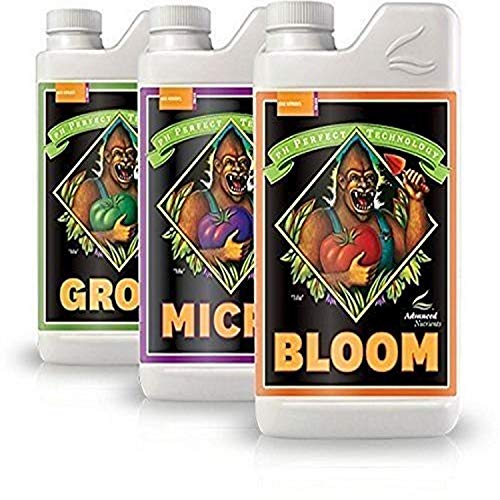
Best for: Experienced growers who want a complete three-part micronutrient system across growth stages. Each bottle focuses on micronutrients with stage-specific needs for blooms or vegetative growth.
Why selected: A bundled approach simplifies feeding schedules and can help ensure consistent micronutrient availability during different plant life stages.
Caution: The bundle requires careful mixing according to a labeled schedule; avoid mixing with incompatible additives that could alter nutrient balance.
Buying Guide: Micronutrients For Garden Use
What are micronutrients and why do plants need them?
Micronutrients are trace minerals required in smaller amounts but crucial for photosynthesis, enzyme function, and growth. Common micronutrients include iron, manganese, zinc, magnesium, boron, copper, molybdenum, and sulfur. A deficiency can cause chlorosis, poor root development, and reduced yields even when macronutrients are present.
Liquid vs. soil-based micronutrients
Liquid formulations are fast-acting and easy to apply through irrigation or foliar spray. Soil-based blends target nutrient availability in the root zone and can improve long-term uptake. Consider your setup: quick color boosts favor liquids; long-term soil balance favors granular or soil blends like the Hoss product.
How to choose by plant type and space
- Lawns and large lawns: Look for larger bottle options with broad turf compatibility and simple dilution instructions.
- Vegetable and fruit beds: Choose micronutrient blends that emphasize iron and zinc for robust foliage and fruit set.
- Container plants: Opt for easy-to-dilute liquids that won’t accumulate salts in small root zones.
How to apply safely and effectively
- Follow product-specific dilution rates and application timing.
- Avoid applying directly to stressed plants or during extreme heat to minimize burn risk.
- Test on a small area before wide-scale application to gauge response.
- Pair with a balanced fertilizer; micronutrients fill gaps, while macronutrients support overall growth.
How to read labels and verify contents
Look for clear lists of micronutrients and secondary macronutrients. Chelated micronutrients can be more available to plants, especially in chelated forms like iron or zinc. Check usage directions, compatibility notes, and safety guidelines on the label.
Frequently asked questions
- What are micronutrients in a garden context? They are trace minerals required in small amounts for optimal plant health and productivity.
- When should I use a micronutrient booster? Use when plants show signs of deficiency, such as interveinal chlorosis, or to support ongoing color and vigor in challenging soils.
- Are liquid micronutrients better than solids? Liquids act faster, while soil-based blends support longer-term availability and soil health.
- Can I apply micronutrients with other fertilizers? Yes, but follow compatibility guidelines to avoid nutrient binding or pH shifts.
- How do I know if my soil needs micronutrients? A soil test, particularly for micronutrient levels, can indicate gaps that need supplementation.
- Is chelated iron better for plants? Chelated forms can be more readily available, especially in higher pH soils, reducing potential iron lockout.