Direct answer: metal plant identification tags provide durable, weatherproof labeling for outdoor gardens, nurseries, and greenhouses. They’re ideal for serious gardeners, landscapers, and plant collections that endure sun, rain, and time. This guide highlights five reliable metal tag options, explains who each is best for, and helps you choose the right tag for your plants, trees, and landscape projects. A quick summary table follows to compare key points at a glance.
Summary table of selected products:
- Emboss-O-Tag Double Sided Write On Metal Labels — Best for extreme environments and ease of writing on both sides.
- Aluminum Plant Labels by TINSKY (50 pcs) — Best for long-term outdoor use and readability with minimal maintenance.
- Wanapure Copper Plant Tags (25 pcs) — Best for a stylish, reusable metal option with protective film.
- Aluminum Plant Tags (120 pcs) by TINSKY — Best for large collections and frequent replacements.
- Coolrunner Aluminum Plant Labels — Best for high-volume labeling with durable aluminum and clear single-side writing.
Emboss-O-Tag Double Sided Write On Metal Labels

Best for: Gardeners and outdoor maintenance crews who need highly durable tags that withstand extreme environments. The embossable metal labels are designed to endure sun, rain, and soil contact, making them suitable for tagging trees, valves, and plants in rough conditions. They offer writing on both sides with everyday tools like a ballpoint pen, pencil, or stylus, eliminating the need for embossing tools.
Why selected: This option emphasizes durability and versatility with a simple writing method. The double-sided feature maximizes information per tag, which is helpful when tracking plant varieties, dates, or care notes in a busy garden or facility.
Caution: Without a clear marker, the legibility of handwritten notes may fade over time in direct sunlight. Consider sealing with a weather-resistant ink if you expect heavy exposure.
Aluminum Plant Labels — 50Pcs (TINSKY)

Best for: Gardeners seeking a sturdy, long-lasting label set for trees, nursery stock, greenhouse labeling, and potted plants. The aluminum construction is waterproof and weather resistant, supporting legibility for years with minimal maintenance.
Why selected: The 1 x 3.25 inch size provides ample space for handwriting with markers or pencils, while the aluminum material resists rust and corrosion. The set’s quantity supports broader labeling schemes in larger gardens or production beds.
Limitation: Labels rely on markers or pencils for writing; over time, ink or graphite may fade if not re-inked or protected in very sunny or wet environments.
Wanapure Copper Plant Tags
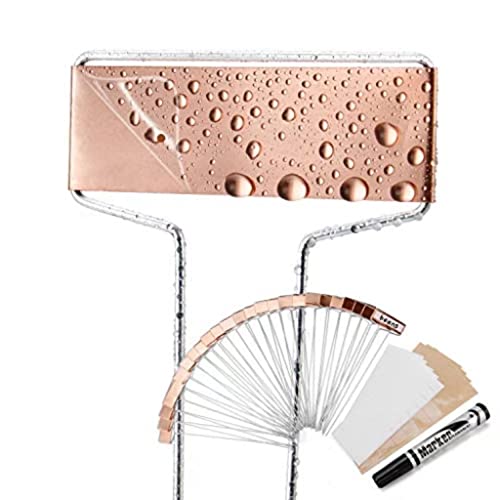
Best for: Gardeners who prefer a premium, visible copper tag with a natural patina that ages gracefully in outdoor settings. Copper tags are highly readable and add an aesthetic touch to plant displays or specialty gardens.
Why selected: The copper material offers durability and a classic look, with a bundled set that includes self-adhesive writing tags and protective PET films to prevent watermarking and fading. The long, sturdy stake design supports easy insertion in soil and accurate labeling.
Limitation: Copper may oxidize over time, changing color slightly. The included protective films help prevent writing from wearing off, but some color change is expected with prolonged exposure to elements.
Aluminum Plant Labels — 120Pcs (TINSKY)
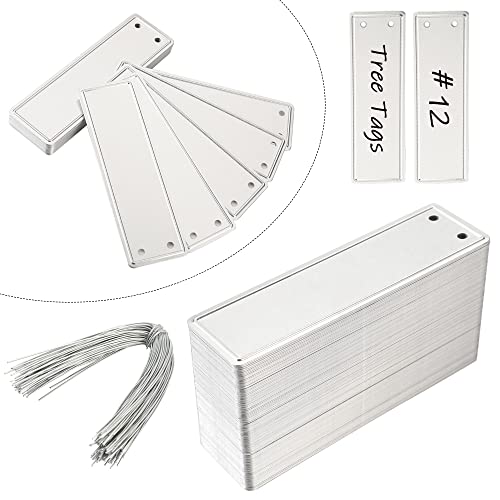
Best for: Large-scale labeling projects, nurseries, or households with extensive plant collections. The higher quantity supports permanent labeling across many beds or sections of a garden.
Why selected: This set mirrors the smaller aluminum labels’ durability but on a larger scale, providing a consistent size (1 x 3.25 inches) and a waterproof build that reduces maintenance. It ensures uniform labeling aesthetics across a big collection.
Limitation: The extended set increases the chance of misplacing labels or losing a consistent handwriting style across all tags if you don’t standardize your marking method.
Coolrunner Aluminum Plant Labels

Best for: Gardeners and professionals who want a high-volume label solution with weather resistance and easy legibility. The set emphasizes durability and readability with a simple one-side writing surface.
Why selected: Premium aluminum material provides long-lasting performance in sun and rain. The 1 inch by 3.23 inch writing area suits a single clear label per plant tagged, which keeps labeling simple and readable from a distance.
Caution: Ensure you don’t scrub the surface too aggressively, as coatings or coatings on some variants may scratch if mishandled. Writing quality matters for long-term readability in outdoor conditions.
Buying Guide
What material should you choose?
- Aluminum tags: Best overall for durability, rust resistance, and weatherproof labeling in outdoor gardens and greenhouses.
- Copper tags: Durable and visually appealing, great for decorative or show gardens but may patina over time.
- Stainless steel: Extremely durable and corrosion resistant, ideal for harsh environments or long-term use in professional settings.
What size works best?
- Common sizes are around 1 x 3.25 inches. This provides enough writing space for legible labeling while remaining easy to insert into soil or tags.
- Consider the depth of your planting bed and the readability from a standing position when choosing tag height and tilt.
What writing method should you use?
- Ballpoint pen, pencil, or permanent marker are typical. For outdoor permanence, consider using weather-resistant markers or a protective film/coat to extend legibility.
- Double-sided tags can maximize information per plant, especially in larger collections or labels for trees and shrubs.
How many do you need?
- Estimate by section: 10–20 tags for small beds, 50–100 for a larger home garden, or 120+ for extensive nurseries. Choose a set that covers your current needs and leaves room for expansion.
- Keep a few spare tags for seasonal changes or new plant acquisitions.
Durability versus aesthetics: balance the need for long-term labeling with how the tags will look in your garden. Copper looks premium but may patina; aluminum and stainless steel provide consistent performance with minimal maintenance.
Frequently Asked Questions
- What is the most durable plant tag material for outdoor use?
Stainless steel and aluminum tags offer excellent durability and weather resistance, with aluminum being a common, lightweight choice for broad labeling needs.
- Can I reuse metal plant labels after removing the old writing?
Yes. Many metal labels accept new writing with markers or pencils. For best results, clean the surface and re-mark with a smooth, legible handwriting style.
- Are copper plant tags suitable for all plant types?
Copper tags are suitable for most garden uses, but their patina may change over time. If you prefer a uniform appearance, choose aluminum or stainless steel instead.
- How many labels should I buy for a medium-sized garden?
A typical medium garden may require 40–80 labels, depending on the number of plant varieties and sections. Plan for expansion when possible.
- Do these tags degrade in high humidity or heavy rain?
Quality metal tags are designed to resist humidity and rain. Always verify the product’s waterproof and UV resistance claims for your environment.
For quick reference, the buying guide below highlights key factors to consider when selecting metal plant identification tags:
- Durability: Choose aluminum, stainless steel, or copper based on climate and expected lifespan.
- Readability: Ensure writing space and legibility from a distance; consider tilt angle for easy viewing.
- Maintenance: Some metals require periodic re-writing or protective coatings to maintain legibility.
- Quantity: Match the number of plants to the size of your garden or nursery to avoid shortages.
- Aesthetics: Copper adds a premium look; aluminum and stainless steel prioritize understated practicality.