Protecting fruit trees from birds, insects, and other pests is essential for healthy yields. The following mesh nets are designed to cover fruit trees of various sizes while allowing light, air, and water to reach roots and foliage. This guide reviews five top-rated options, highlighting mesh density, coverage size, and convenient features like drawstrings and zippers. Each product offers a practical balance of protection and plant health, helping you keep trees productive throughout the growing season.
Summary of Selected Products
| Product | Brand | Netting Size | Mesh Type / Notes | Notable Feature |
|---|---|---|---|---|
| Large Fruit Tree Netting 10×10 ft | Cookmaster | 10×10 ft (120×120 in) | 60 mesh polyethylene | Zippered drawstring for easy placement |
| Ultra-Fine 6.9×8.5 ft Netting | ZYP | 6.9×8.5 ft | Ultra-fine mesh | Bird, deer, cicada, and bug protection |
| Homoda Fruit Tree Netting Cover 4×4 ft (2 packs) | Homoda | 4×4 ft per bag | Ultra-fine HDPE mesh | Zipper and drawstring; see-through mesh |
| KLEWEE Garden Netting 10×50 ft | KLEWEE | 10×50 ft | 0.8mm x 0.8mm ultra-fine mesh | Large coverage; durable and portable |
| NIUBIER 50 Pcs Fruit Protection Bags | NIUBIER | 6×9 inches per bag | Dense fine mesh | Reusable with drawstring closure |
These options reflect a range of sizes and mesh densities to fit different tree ages and orchard layouts. When choosing, consider canopy size, fruit type, watering needs, and how often you’ll install or remove the netting during the season.
Cookmaster Large Fruit Tree Netting, 10×10 ft

Made from high-quality polyethylene, this 60-mesh netting combines strength and flexibility for tree protection. The 10×10 ft size covers most young orchards or a cluster of fruit trees, while the drawstring and zipper provide quick installation and removal. The design helps prevent wind-blown nets and guards against birds, insects, and cicadas without suffocating foliage. It is suitable for peaches, cherries, apples, and citrus, as well as shrubs and flowering plants.
ZYP 6.9×8.5 ft Ultra-Fine Fruit Tree Netting

This netting features an ultra-fine mesh designed to repel small pests while allowing water, air, and sunlight to reach the plant. Sized at 6.9 by 8.5 feet, it is well suited for mid-sized trees, shrubs, and citrus. The material offers protection from deer, birds, cicadas, and other intruders without trapping heat. It’s easy to install and can be anchored to prevent wind displacement.
Homoda Fruit Tree Netting Cover with Zipper & Drawstring
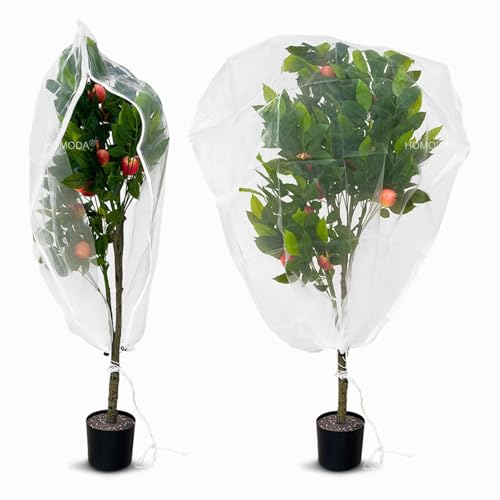
Sold as a two-pack, this 4×4 ft netting is ideal for small trees and young fruit bushes. The combination of a zipper and drawstring ensures a snug fit, while the HDPE ultra-fine mesh keeps out birds and insects. The see-through fabric allows for easy monitoring and watering without removing the cover. A practical choice for small orchards or container-grown fruit trees.
KLEWEE 10×50 ft Garden Netting for Fruit Trees

This expansive 10×50 ft roll offers large-scale coverage with a fine 0.8mm x 0.8mm mesh. It can be cut to fit various tree shapes and garden plots, providing durable protection from birds, rabbits, cicadas, and other pests. The netting remains lightweight and transparent, enabling sunlight and rain to reach the canopy. It is especially useful for protecting multiple trees or larger fruiting specimens in extended orchards.
NIUBIER 50 Pcs Fruit Protection Bags, 6×9 Inches

These bags provide an economical solution for protecting individual fruits. The 6×9 inch size fits many common fruits and vegetables, while the dense mesh blocks insects and birds. The double drawstring closure makes installation quick and secure, and the bags are reusable for multiple seasons. This option is ideal for protecting ripening apples, peaches, plums, or tomatoes, especially when tree canopy access is limited.
Buying Guide: Key Considerations For Choosing Fruit Tree Netting
- Coverage Area: Assess your tree size and canopy spread. Larger trees benefit from long nets or mesh bags that can be trimmed to shape, while saplings are well-suited to smaller covers or individual fruit bags.
- Mesh Density: Ultra-fine meshes (small openings) provide stronger protection against small pests but may reduce airflow. Lighter meshes improve airflow but offer less protection against larger pests. Balance based on local pests and climate.
- Material Durability: Look for UV-stabilized plastics like polyethylene or high-density polyethylene (HDPE). Durable nets resist tearing from wind and branch movement and last multiple growing seasons.
- Installation Features: Drawstrings and zippers simplify placement and removal, especially for larger trees. Consider nets with bottom closures to prevent wind lift.
- Light, Water, Air Permeability: Ensure the netting design allows sunlight, rainfall, and air circulation to reach foliage to avoid impacting growth or fruit quality.
- Reusability: Reusable nets provide long-term value and reduce waste. Check cleaning and storage guidance to extend lifespan between seasons.
- Animal and Pest Coverage: If deer or larger pests are common, select larger coverage and denser mesh. For cicadas, birds, and insects, ensure the mesh blocks the specific pest sizes in your region.
- Maintenance and Accessibility: Consider how easy it is to remove for pruning, watering, or harvests. See-through nets help gardeners monitor ripening fruit without removing covers.
In practice, homeowners with diverse fruit trees may benefit from a combination approach: use large, zippered nets for full-canopy coverage on some trees and individual drawstring bags for high-value fruit on others. For home orchards facing frequent pest pressure from birds or deer, maintaining a mix of ultra-fine nets and bag protectors can deliver consistent results while preserving tree health and fruit quality.