If you want the beauty of magnolias without a sprawling footprint, a dwarf magnolia variety can fit your space while delivering fragrant blooms and year‑round greenery. This guide highlights five compact options that are well suited for small landscapes, patios, or containers. It explains who each plant is best for, and why it was selected, with practical buying tips to help you choose the right dwarf magnolia for your climate and lifestyle.
Summary table of selected products:
| Product | Best For | Why It Stands Out | Limitations |
|---|---|---|---|
| Magnolia grandiflora ‘Kay Parris’ Live Tree | Small yards, container gardeners | Fragrant white blooms, evergreen foliage, very compact for a magnolia | Very young specimens require steady care to establish |
| Magnolia grandiflora ‘Teddy Bear’ Live Tree | Patio or entryway accents | Huge fragrant blooms, upright compact shape | Slow initial growth as it establishes |
| 15PCS White Southern Magnolia Flower Seeds | Budget-conscious growers, seasonal bloomers | Fragrant cream blooms, adaptable hardiness zones | Seed-grown plants may vary in size and bloom timing |
| 2 Ann Magnolia Shrubs | Hedges or border accents | Two rooted cuttings with potential for a lush spring display | Bareroot condition; size at planting may vary |
| Dwarf D. D. Blanchard Magnolia | Front yard focal point | Fragrant late-spring blooms, manageable mature size | Shipping restrictions may apply to certain states |
Magnolia grandiflora ‘Kay Parris’ Live Tree

Best for: small yards and container gardens seeking evergreen structure with fragrance. This dwarf southern magnolia cultivar features large creamy white blooms and glossy evergreen foliage. The compact habit makes it easier to place near walkways or focal points while still delivering classic magnolia charm. The plant’s fragrant flowers are a strong draw for gardens designed for fragrance and pollinator appeal.
Why selected: Its combination of fragrance, evergreen foliage, and a smaller form factor makes it ideal for urban landscapes and entryways where a full-size magnolia would be oversized. The plant offers year-round visual interest, not just during bloom time.
Limitations: As a young plant, establishment requires steady watering and protection from extreme heat or cold during first growing seasons. Avoid over-pruning that can reduce flowering potential.
Magnolia grandiflora ‘Teddy Bear’ Live Tree
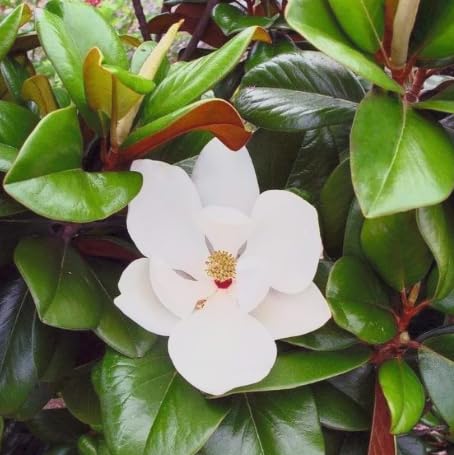
Best for: gardeners who want a compact magnolia with enormous, fragrant blooms for a striking spring display. Teddy Bear is a compact upright tree that retains a strong, narrow silhouette while delivering dramatic bloom potential.
Why selected: The plant’s signature feature is its massive, fragrant white flowers that stand out against glossy evergreen foliage. This makes it a dramatic focal point for small landscapes or courtyard gardens where you want a bold seasonal statement without a sprawling tree canopy.
Caution: Early-stage plants may have a slower growth rate as they establish. Provide steady moisture and avoid heavy pruning that can diminish bloom development.
15PCS White Southern Magnolia Flower Seeds

Best for: budget-minded growers who want to start a collection of magnolia trees from seed. Seeds offer a way to experiment with multiple plants and grow your own landscape cluster over time.
Why selected: The Southern Sweetbay Magnolia is noted for its fragrant, creamy-white blooms that attract pollinators. It’s a versatile option for zones 5–10 and can establish as an evergreen to semi-evergreen tree, depending on climate. Seed propagation supports biodiversity in your garden bed setup.
Limitations: Seed-grown plants vary in bloom timing and growth rate. Seed germination requires patience and suitable germination conditions for best results.
D. D. Blanchard Magnolia (Shade Tree)

Best for: homeowners who want a traditional southern magnolia with a more adaptable size compared to classic giants. This cultivar produces fragrant cup-shaped blossoms and behaves well as a landscape specimen in moderated spaces.
Why selected: Its mature size and fragrant display make it a practical centerpiece or specimen tree. The variety is known for reliable blooms in late spring to early summer, offering consistent ornamental value in smaller lot sizes.
Limitation: Some shipments may be restricted to certain states due to agricultural laws. If ordering, verify delivery eligibility to your location prior to purchase.
2 Ann Magnolia Shrubs

Best for: small hedges, borders, or paired accents in mid-sized landscapes. The 2 Ann magnolias provide seasonal bloom potential with a compact growth habit suitable for narrow beds or container plantings.
Why selected: Planting in pairs creates a balanced visual anchor in a front yard or garden border. The variety offers deciduous elegance with spring blooms that can precede the leaves, creating dramatic seasonal contrast.
Limitation: Bareroot plants can require careful handling and consistent moisture at planting to ensure good establishment. Monitor moisture during the first growing season to avoid stress during dry spells.
Mixrug Dwarf Peach Tree Seeds

Best for: gardeners seeking additional fruiting options within a dwarf footprint, to diversify plantings under magnolias. While not a magnolia, this product complements a small yard with edible fruit while maintaining a compact size.
Why selected: The dwarf peach tree seeds enable a quick pathway to a fruiting landscape alongside ornamental magnolias, maximizing yard productivity and enjoyment. Self-pollinating varieties support easier fruit set in home environments.
Limitation: This product is not a magnolia; it is included to provide a broader landscape planning view for small yards that mix ornamental and edible plants. Germination and fruiting timelines can vary and depend on climate and care.
Buying Guide: Compact Magnolia Choices For Small Spaces
- Space and growth habit: Choose cultivars described as dwarf, compact, or upright to fit small yards or container setups. Look for mature height and spread specifications and compare to your available space.
- Fragrance and bloom impact: If fragrance is important, prioritize cultivars with large, fragrant blooms like Kay Parris or Teddy Bear. Consider bloom timing to extend visual interest across the growing season.
- Evergreen vs. deciduous: Evergreen magnolias retain foliage year-round in warmer climates, offering structure in winter. Deciduous varieties may give seasonal bloom before leaf-out and provide a different seasonal silhouette.
- Climate compatibility: Check hardiness and zone recommendations. Some varieties tolerate zones 5–10, while others prefer milder conditions. Local microclimates (sun exposure, wind, heat) affect performance more than broad zone numbers.
- Soil and moisture: Magnolias generally prefer well-drained, acidic to neutral soils with steady moisture, especially during establishment. Mulch to conserve moisture and reduce weed competition.
- Container suitability: For container culture, select smaller cultivars with slow to moderate growth rates and ensure adequate root room and drainage. Fertilize with balanced, slow-release formulas in spring.
- Seed vs. nursery stock: Seeds offer budget-friendly diversification but require patience and variability in growth. Nursery-grown specimens provide more predictable size and flowering, with quicker landscape impact.
- Legal and shipping considerations: Some cultivars or seed types may have state shipping restrictions. Verify availability and compliance before purchase to avoid order cancellations.
FAQ For Buyers Of Dwarf Magnolia Varieties
Are dwarf magnolias truly smaller than standard trees?
Yes. Dwarf cultivars are bred or selected to reach smaller mature sizes, making them suitable for yards, patios, or containers where a full-size magnolia would be impractical.
Do these magnolias require special care in the first year?
Most dwarf magnolias benefit from consistent moisture, protection from extreme heat or cold, and light pruning only to shape. Avoid over-pruning that can reduce flowering and vigor.
Which magnolia is best for fragrance?
Many magnolias offer fragrant blooms, but varieties like Kay Parris and Teddy Bear are particularly noted for their strong fragrance and prominent blooms.
Can I plant magnolias in containers?
Some dwarf magnolias adapt to container growth, especially if they have compact root systems and a slow-to-moderate growth rate. Use a large, well-draining pot and monitor watering carefully.
Are magnolias deer-resistant?
Magnolias generally have moderate deer resistance, but behavior can vary by region and deer pressure. Use protective measures if browsing is a concern in your area.