Answering the need for natural garden pest control, these live praying mantis products provide live hatchlings to help manage pests in outdoor spaces. Best for gardeners seeking biological control, educational kits for classrooms, and eco-friendly pest management in residential gardens. The top picks below are chosen for practicality, hatch viability, and suitability for outdoor use. Read on to find which option fits your garden goals, from easy-to-hatch egg cases to observation-friendly habitat cups.
| Product | Best For | Key Benefit |
|---|---|---|
| BioLogic Praying Mantis Egg Cases — 2 Extra Large Cases | Home gardens wanting high hatch counts | About 200 babies per case; easy concealment |
| Bug Sales Praying Mantis Egg Case With Hatching Habitat Cup | Beginners and classrooms | Two egg cases with a habitat cup |
| InsectSales Chinese Praying Mantis Egg Hatching Kit — 2 Eggs | Educational projects and starter kits | Includes cup, substrate, and vented lid |
| Generic Praying Mantis Ootheca With Hatching Habitat Cup — Two Egg Case | Eco-friendly garden boost | Up to 400 nymphs, habitat cup included |
| Carolina Praying Mantis Egg Cases Hatching Habitat Cup — Two Egg Cases | Observation lovers and educators | Transparent cup for lifecycle viewing |
The following sections detail five carefully chosen options. Each product is evaluated for how well it supports garden ecosystems, ease of use, and suitability for specific buyer needs. Use this guide to compare hatch counts, habitat features, and practicality for outdoor settings.
Praying Mantis Egg Cases — 2 Extra Large Cases

Best for gardeners who want a high hatch output and simple deployment. Each egg case can hatch into about 200 baby mantids, providing immediate natural pest control as they mature. Easy to use: hide the egg cases in garden foliage or hatch indoors and release later. Recommended for large lawns, vegetable plots, and orchards where a strong early-season boost is helpful.
Limitations: hatch timing can vary with temperature and conditions; success depends on keeping predators away during early days. Best for outdoor spaces with foliage and safety for releasing nymphs into open air.
Praying Mantis Egg Case With Hatching Habitat Cup — 2 Cases

Best for beginners and classrooms, this option combines two Praying Mantis Egg Cases with a built-in habitat cup. Each egg case can produce roughly 50 to 200 nymphs, offering a manageable introduction to biological control in smaller gardens or educational settings. The habitat cup helps monitor the early life stage and makes observation easier for students or curious gardeners.
Limitations: hatch rates and timing can vary; keep the environment stable to support healthy nymph development. Not ideal for very large outdoor spaces where one would need many more mantises.
Chinese Praying Mantis Egg Hatching Kit — 2 Eggs Fresh

Choose this if you want a compact starter kit with a clear hatch timeline. The kit includes two Chinese mantis egg cases, a 32-ounce clear cup, coconut fiber, and a vented lid. Hatching typically begins after shipment, with a hatch window of several weeks depending on temperature. Suitable for small gardens or educational displays where space is limited.
Limitation: species and hatch timing can vary; results may differ from one kit to another. Outdoor use should consider local climate and predator risks.
Ootheca Egg Case With Hatching Habitat Cup — Two Egg Cases

Best for eco-friendly garden boosters, this dual egg case package uses T Sinensis mantis ootheca, harvested from the USA. The included habitat cup supports observation and easier release. Expected hatch can reach up to 400 nymphs, depending on conditions. Great for gardens aiming to boost biodiversity while managing pests naturally.
Limitation: higher hatch counts require careful release planning to avoid overcrowding and ensure adequate food supply early on.
Carolina Praying Mantis Egg Cases Hatching Habitat Cup — One Egg Case
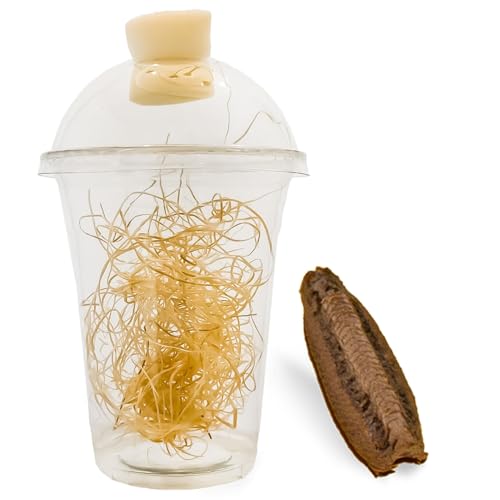
Best for observation lovers and educational use, this option includes a transparent habitat cup to watch lifecycle transitions from egg to hatchlings. Each egg case can produce approximately 50 to 200 nymphs when kept at temperatures between 72°F and 78°F. It promotes ecological balance by introducing natural predators to the garden ecosystem.
Limitation: hatch timing is temperature dependent; maintaining consistent conditions is essential for steady development and sound timing of releases.
Buying Guide: Key Considerations For Choosing Live Praying Mantises For Your Garden
- Hatch count expectations: Higher counts offer quicker ecological impact but require more space and food as mantises grow.
- Habitat and release plan: Consider whether an included habitat cup helps with observation or if you prefer concealment in foliage for outdoor release.
- Species and ecosystem fit: Different mantis species have varying climate tolerances and pest appetites. Choose species that thrive in your region.
- Temperature and timing: Hatch timing is influenced by temperature. Warmer environments generally speed up development; cooler conditions slow it down.
- Educational value: If teaching children or students, kits with visible lifecycle observation can enhance learning outcomes.
- Garden size and pest pressure: Larger gardens may benefit from multiple egg cases, while smaller spaces may do well with two or fewer egg cases.
- Safety and local regulations: Check local guidelines on releasing mantises in your area and ensure they won’t disrupt native species.
Frequently Asked Questions
- Are praying mantises good for every garden? Yes, mantises prey on a variety of garden pests, but their impact depends on local prey availability and habitat suitability.
- How long do mantis eggs take to hatch? Hatching typically occurs within 2 to 12 weeks, depending on species and ambient temperature.
- Can I release mantises indoors? Mantises are best released outdoors where they can access natural food sources and avoid indoor predators.
- What is the best setup for hatchlings? A stable outdoor microhabitat with foliage and shelter helps nymphs survive until they mature.
- Do mantises help with pests in vegetable gardens? Mantises prey on various soft-bodied insects, including aphids and caterpillars, contributing to pest control.
- Should I release mantises all at once? Releasing in staggered intervals can sustain predator pressure as pests emerge throughout the season.