Explore compact olive trees that bring Mediterranean charm to homes, patios, and containers. This guide highlights five carefully chosen live olive trees from trusted brands, focusing on size, care needs, and fruiting potential. Each option balances ornamental appeal with practical, low-maintenance growth, making them suitable for indoor or outdoor setups in American climates. Read on to compare features and decide which miniature olive tree fits your space and culinary goals.
| Product | Brand | Size / Pot | Key Benefit |
|---|---|---|---|
| Arbequina Olive Tree – Live 5-Inch Pot | American Plant Exchange | 5-Inch Pot | Compact and fruit-bearing for small spaces |
| Arbequina Olive Tree – Live 6-Inch Pot | American Plant Exchange | 6-Inch Pot | More substantial size with consistent fruiting |
| 1 Dwarf Fruitless Olive Tree – Montra | CitronellaKing | 2.5-Inch Cube | Non-fruiting, ultra-compact option |
| Brussel’s Bonsai Live European Olive Bonsai | Brussel’s Bonsai | Live bonsai in ceramic pot | Decorative bonsai with shaping potential |
| Perfect Plants Arbequina Olive Live Plant | PERFECT PLANTS | 2-3 ft mature size (plant height varies) | Heritage variety with edible olives |
American Plant Exchange Arbequina Olive Tree – Live 5-Inch Pot
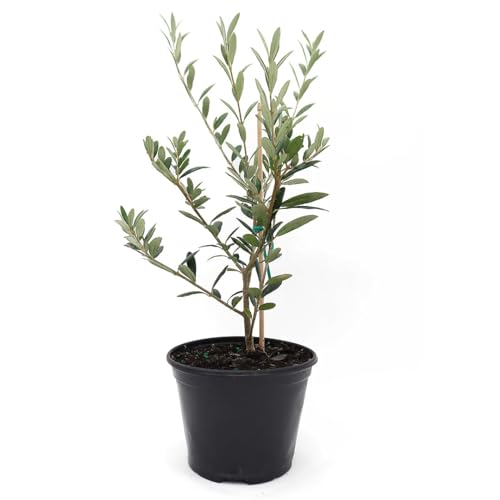
The 5-inch pot Arbequina olive tree from American Plant Exchange combines ornamental appeal with edible potential. It features slender, silvery-green leaves and a graceful growth habit that thrives in containers, patios, and Mediterranean-inspired spaces. The variety is known for producing olives suitable for home culinary use, offering a satisfying harvest for cooks and gardeners alike. This compact option is well-suited for smaller apartments or sun-lit balconies, where a touch of olive grove character enhances the decor without overwhelming the space.
American Plant Exchange Arbequina Olive Tree – Live 6-Inch Pot

The 6-inch pot Arbequina olive tree offers a bit more presence while remaining container-friendly. Known for steady olive production, this tree suits patios or sunlit indoor spaces where gardeners aim for a more robust display and a longer harvest window. Its ornamental foliage provides year-round interest, with the potential for fresh olives that can be used in dressings, sauces, or oil-making experiments for home cooks and hobbyists.
1 Dwarf Fruitless Olive Tree – Montra

This dwarf, fruitless olive sapling (Olea europaea ‘Montra’) arrives in a compact 2.5-inch nursery cube, making it ideal for very small spaces or as a starter for topiaries and decorative arrangements. It is best suited for zones 8-11 and tolerates drought with robust roots. While it does not fruit, its elegant silhouette and evergreen look provide year-round greenery with minimal maintenance, making it a practical choice for desks, balconies, or entryways.
Brussel’s Bonsai Live European Olive Bonsai

This Brussel’s Bonsai olive tree is a compact European olive bonsai, delivered in a ceramic bonsai pot. The evergreen foliage, seasonal flower display, and careful cultivation make it a standout centerpiece for indoor spaces. Shaping and trimming can help tailor the silhouette to a living room shelf, office desk, or small sunroom, offering a durable, decorative evergreen with a touch of botanical artistry.
Perfect Plants Arbequina Olive Live Plant, 2-3ft

The Perfect Plants Arbequina olive live plant grows to about 2-3 feet and comes with easy-care guidance for new olive tree owners. Self-pollinating and capable of producing edible olives, this option suits container gardens and patio setups. It prefers full sun and tolerates drought after roots establish. An attractive choice for growing olives in a home landscape or large container while maintaining a compact overall footprint.
American Plant Exchange Live Olive Tree, Arbequina – Real Fruiting

This larger Arbequina olive tree by American Plant Exchange emphasizes fruiting and edible olives for home gardens. While not as compact as smaller pots, it remains suitable for bright indoor spaces or sheltered patios. Its ornamental value and culinary potential make it a versatile centerpiece for gourmands and gardeners seeking a mature olive presence with a proven fruiting history.
Arbequina Olive Tree – 6 Inch Pot – Indoor Grow

The 6-inch pot Arbequina from Florida Foliage emphasizes indoor growing with a self-pollinating, evergreen habit. It is a popular choice for growers who want a steady supply of olives while maintaining a compact footprint. The plant’s tolerance for indoor conditions, combined with edible yields, makes it suitable for kitchen corners, sunrooms, or entryways that receive ample sunlight.
Arbequina Olive Tree – Live Plant With Fertilizer
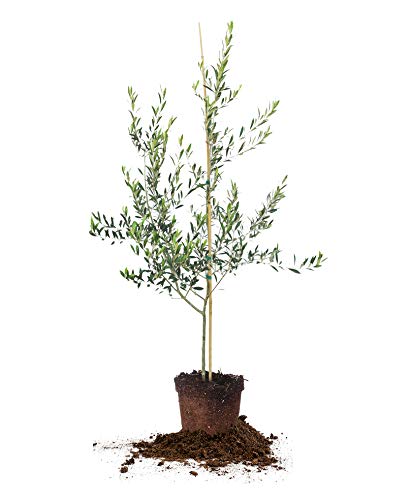
This Perfect Plants listing includes a special blend fertilizer and planting guide, emphasizing self-pollinating, edible olives. The Arbequina cultivar is favored for flavorful harvests and resilience in containers. This option suits beginner and experienced growers alike, offering practical support for successful fruiting while keeping a manageable size for home gardens or balconies.
Buying Guide: Key Purchase Considerations For Live Olive Trees
- Size and growth habit: If space is limited, prioritize dwarf varieties, fruitless options, or bonsai forms to maintain a neat silhouette; for moderate space, 5–6 inch pots or compact 2–3 ft plants provide a balanced presence.
- Fruit production vs. ornamental: Some trees fruit reliably, others are primarily decorative. Decide if home harvest is a goal or if year-round greenery matters more.
- Sunlight needs: Olives thrive with full sun. Ensure placement in bright windows, patios, or outdoor areas that receive several hours of direct sun per day.
- Watering and drought tolerance: Many cultivars are drought-tolerant once established. Establish a consistent watering routine that avoids overwatering, especially for container-grown trees.
- Indoor suitability: For indoor spaces, consider bonsai or dwarf varieties designed for low-maintenance care and compact growth, plus proper humidity and air circulation.
- Soil and container care: Use well-draining soil and pots with drainage. Regular feeding with olive-specific or balanced fertilizer supports steady growth and fruiting.
- Cold hardiness and climate: Check regional hardiness; some varieties are better suited for warmer zones or sheltered patios in cooler areas.
- Maintenance needs: Pruning and shaping are common for bonsai and container olives. Factor in time for trimming, pollination management, and pest monitoring.
Choosing a live olive tree involves balancing space, aesthetics, and growing goals. The options above cover compact to semi-mature forms with varying degrees of fruiting and ornamental value. Whether you want a small, ornamental accent or a budding culinary tree, these selections provide workable paths to adding olive-inspired greenery to American homes and outdoor rooms.