Selecting the right fish for a pond balances aesthetics, ecosystem health, and ease of care. This guide highlights five live fish options that are well-suited for pond stocking, from colorful koi and goldfish blends to hardy feeder species and crustaceans that add movement and diversity. Each entry includes practical notes on size, behavior, lifespan, and care to help American pond enthusiasts choose confidently.
| Product | Type | Why It Works For Ponds |
|---|---|---|
| Rosie Red Minnows | Mini feeder/omnivore | Bright color, good for balance and breeding in warm temps |
| Live Crayfish | Crawfish | Adds dynamic movement and scavenging capabilities |
| Standard Fin Koi | Koi carp | Stunning visuals and adaptable omnivores for larger ponds |
| Shubunkin & Comet Combo | Goldfish variety blend | Colorful, hardy display fish with varied patterns |
| Comet Feeder Goldfish | Goldfish feeder | Natural food source and classic pond presence |
Rosie Red Minnows For Ponds

Toledo Goldfish Rosie Red Minnows span 0.5 to 1.5 inches and are noted for their versatile use as feeder fish and aquarium additions. Their light pink hue adds a splash of color to pond borders and water gardens. They are omnivorous, consuming zooplankton, phytoplankton, and small foods, and they possess a relatively high reproduction rate, often spurring spring and summer spawning as temperatures rise to about 65 degrees. For ponds, their abundance can help with natural feeding dynamics and bio-diversity while providing an accessible, colorful option for hobbyists seeking lively pond activity.
Live Crayfish For Stocking Ponds

Toledo Goldfish Crayfish are 2 to 5 inches long and provide lively movement and crustacean activity in ponds and aquariums. These crawfish support detritus processing and can serve as a natural food source for larger fish, while their presence increases the ecological complexity of a water feature. They are bred on family-owned farms in the USA, with health-certification that emphasizes quality and reliability for pond environments.
Standard Fin Koi For Ponds

The Toledo Goldfish Standard Fin Koi are 3-4 inches and belong to the carp family. They bring a dramatic, multicolor presence to outdoor ponds and can be mixed with other compatible goldfish species to create a diverse, appealing display. Their omnivorous diet supports a straightforward feeding routine, though tank and pond space should accommodate their potential growth. A balanced feeding plan with basic flakes or pellets helps maintain vigor and color.
Shubunkin & Comet Combo For Ponds

The Toledo Goldfish Shubunkin and Comet Combo pairs calico blue Shubunkins with red Comet goldfish, offering a dynamic mix of colors and patterns. These 3-4 inch fish are hardy, adaptable, and suitable for ponds and tanks alike. They are omnivores, thriving on a varied diet of dried and live foods, with basic flakes or pellets supporting steady growth. The combination provides visual interest and resilience for a mixed-species pond setup.
Koi And Goldfish Starter Pack

The Toledo Goldfish Koi and Goldfish Combo Starter Pack brings together a mix of Standard Fin Koi, Butterfly Fin Koi, Shubunkins, Sarasa Comets, and Common Goldfish. This 3-4 inch assortment is designed for beginners, offering color variety and compatibility in one package. It supports a visually appealing pond showcase while introducing beginners to multi-variant stocking strategies. Diet recommendations emphasize omnivorous feeding with a range of foods to support pigment development and growth.
Comet Feeder Goldfish
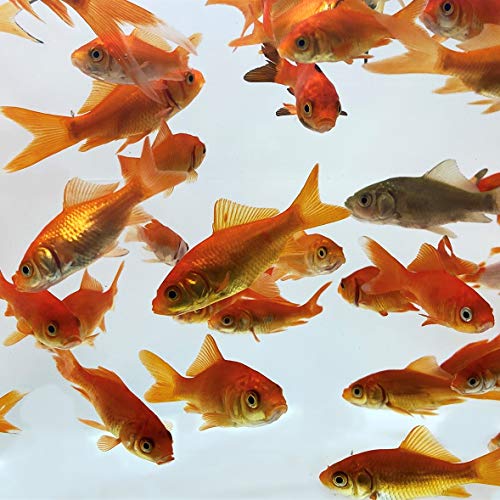
The Comet Feeder Goldfish are 2 to 2.5 inches, ideal as natural feeder fish or as attractive, self-sustaining pond inhabitants. They add classic comet coloration and are well-suited for larger, outdoor pond environments. These fish are part of a family-owned operation, born and raised in the USA, with health-certified farm locations that emphasize trust and quality for pond stocking. They complement other ornamental varieties while contributing to ecological balance through active foraging behavior.
Buying Guide: Key Purchase Considerations For Pond Stocking
- pond size and depth: Ensure enough space for the full growth potential of koi, goldfish, and crayfish; overcrowding can lead to stress and water quality issues.
- water quality: Regular testing for pH, ammonia, nitrite, and nitrate is essential; plan for filtration and aeration that suits the chosen species.
- compatibility: Mix species with similar temperature and dietary needs; avoid aggressive species with slow-moving or smaller fish.
- temperature and climate: Koi and goldfish generally tolerate a wide range, but extreme temperatures require protection or seasonal management.
- diet and feeding: omnivores benefit from a varied diet; balance commercial pellets with occasional live or frozen foods where appropriate.
- breeding and population control: Some fish breed rapidly (like Rosie Red Minnows); plan for population management to prevent overcrowding.
- transport and acclimation: Introduce new fish gradually to reduce stress and disease risk; monitor for signs of stress after addition.
- plant and habitat integration: Aquatic plants and natural hiding spaces help reduce stress and support beneficial bacteria.
- long-term maintenance: Regular partial water changes, debris removal, and equipment checks extend the life and health of your pond ecosystem.
- health and origin: Buying from reputable, USA-based farms or suppliers with health certifications can improve success rates and reduce disease risk.
Choosing the right combination of fish for a pond depends on your goals—whether you want visual drama, a balanced ecosystem, or a reliable natural feeding source. The selections above provide varied colors, sizes, and behaviors to fit different pond sizes and maintenance levels while emphasizing health-conscious sourcing. Always implement a gradual introduction plan to minimize stress and ensure ecological harmony in your outdoor water feature.