Answering the growing demand for vibrant, easy-to-grow aquatic greenery, this guide highlights top live aquarium plant bulbs and related live plants. These picks suit beginners who want quick greens, hobbyists building dense understories, and aquarists seeking low-maintenance foreground plants. The selections emphasize bulbs or bulb-like starts when available, along with clear growth notes and temperature considerations to help you plan successful installations. A quick comparison table is included to facilitate side-by-side choices.
| Product | Best For | Key Note |
|---|---|---|
| Tiger Lotus Lily Nymphaea Lotus (1 Sprouted Bulb) | Small, delicate foreground or mid-ground accents | Fragile leaves; expect size variation |
| Tiger Lotus Lily Nymphaea Lotus (3 Sprouted Bulbs) | Dense, multi-plant foreground fill | Multiple sprouted bulbs with careful handling |
| Madagascar Aponogeton Bulb | Seasonal flowering with quick growth | Grows best 65–72°F, not over 72°F |
| Nymphaea Stellata Rubra (Dwarf Water Lily) | Compact lily for small to mid aquariums | Size varies; lighter, slower growth |
| Java Fern (Microsorum Pteropus) | Low-tech, easy with low light | Best mounted or attached, not heavily substrate-dependent |
Tiger Lotus Lily Nymphaea Lotus — Live Aquarium Plant (1 Sprouted Bulb)
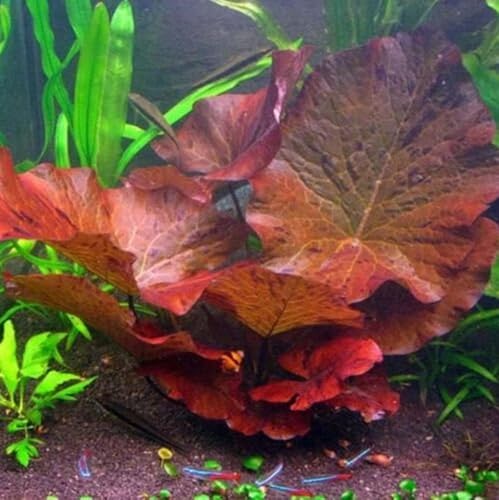
The Tiger Lotus Lily is a sprouted bulb planted for immediate growth, ideal for small to mid-sized tanks. This pick is best for buyers who want a quick, eye-catching foreground or mid-ground accent with minimal prep. The bulb size typically ranges from half an inch to 1 inch, with sprouts 1 cm to 3 cm. Heavy handling can crack leaves, so shippers often send smaller plants to protect fragile foliage. Best for hobbyists who prefer a rapidly visible green centerpiece at the start of a setup.
Who it’s best for: beginners who want a visible, fast-growing focal plant, and aquarists prioritizing a smaller, manageable plant with a straightforward care routine. Why selected: it provides an immediate pop of color and texture while remaining relatively easy to manage. Caution: extreme cold can stress live plants; plan ordering around stable temperatures and consider indoor acclimation before introduction if temperatures dip below seasonal norms.
Crinum Calamistratum — Easy to Grow Live Aquarium Plant

The Crinum Calamistratum is a hardy, easy-to-grow option commonly used by Betta and planted-tank hobbyists. The plant typically ranges from 7 to 12 inches and is suitable as a mid-ground accent in larger tanks. It tolerates a range of lighting conditions but benefits from consistent water parameters. This selection suits aquarists seeking a robust plant with a natural, arching growth habit that complements other species. Caution: temperature sensitivity can vary; avoid extreme cold during winter shipping to protect new growth.
Madagascar Aponogeton Bulb — Aquatic Plant Bulbs

This Madagascar Lace Bulb is designed for aquariums with water temperatures between 65–72°F. It will not grow if the water temperature exceeds 72°F, so it’s best for cooler, stable tanks or temperate setups. The plant starts growing within a week after submersion and can grow quickly under proper conditions, offering a dynamic backdrop or background fill. Best for aquarists who can maintain steady temperatures and want a dramatic, fast-growing plant under moderate light.
Marcus Fish Tanks — Tiger Lotus Trio
Featuring three sprouted Tiger Lotus bulbs, this set provides a denser early presence and is best for aquariums craving a lush, multi-plant foreground. The bulbs are prepared for growth, with a range of sprout sizes similar to single-bulb offerings. This option is better for more experienced hobbyists who want a stronger initial visual impact and are comfortable handling multiple fragile leaves during growth. Caution: shipping notes remind that extreme temperatures can affect plant health; consider indoor preparation in winter or very cold climates.
Hornwort Ceratophyllum — Live Aquarium Plant

The Hornwort Ceratophyllum bundle is a versatile beginner-friendly plant that helps improve water quality and provides cover for small fish. This species typically arrives as multiple stems in a single 5–10 inch bundle, offering easy propagation and fast filling of open water. Best for low to moderate light and for aquariums where beginners want a tolerant, forgiving plant. Caution: extreme winter temperatures can stress live shipments; plan delivery during milder periods if possible.
Buying Guide: Live Aquarium Plant Bulbs And Starter Greens
Key considerations help buyers choose the right live plant bulbs and starter greens for freshwater tanks. Below are practical questions and answers to compare options and set expectations.
What should I know before buying live plant bulbs?
Bulbs are typically sold sprouted or ready to grow. Look for notes about size ranges, sprout length, and fragility. Fragile bulbs require careful handling and quicker shipment to minimize leaf damage. Temperature sensitivity is common; plan deliveries in moderate climates or have a stable indoor environment ready for acclimation.
Which plants are best for low-light setups?
Java Fern and similar low-light species perform best in tanks with limited illumination. They often thrive attached to rocks or wood rather than buried deeply in substrate. This makes them ideal for tanks lacking strong lighting or for hobbyists who want easier maintenance.
What are temperature considerations I should respect?
Many live plant bulbs are sensitive to extreme temperatures. Some options specify growth windows (for example, 65–72°F). Shipping during very cold or hot periods can stress plants or delay rooting. Plan temperate-appropriate arrivals and consider preconditioning in the home aquarium before fully integrating the plants.
How do I choose between single-bulb and multi-bulb sets?
Single bulbs are good for smaller tanks or for incremental growth. Multi-bulb sets provide immediate visual impact and fuller coverage but demand careful placement to avoid crowding. If you aim for a lush foreground, a 3-bulb set can offer quicker density, while a single bulb suits compact tanks or beginners building toward scale.
What care steps support successful establishment?
Rinse bulbs gently, plant with proper depth, and monitor for signs of stress in the first weeks. Regular water changes, stable parameters, and appropriate fertilization support root and sprout development. Avoid drastic changes in light or temperature during the initial growth period to minimize shock.
How do I assess which option is best for me?
Consider tank size, lighting level, and whether you want foreground accent or background fullness. For beginners, Java Fern and simple bulbs like dwarf water lilies provide forgiving growth. For more dramatic visuals in larger tanks, tiger lotus bulbs in multi-bulb sets offer immediate impact while still being manageable with proper care.
FAQ
- Q: Do these bulbs require special nutrients?
- A: Most will benefit from standard aquarium plant fertilizers; check each product’s notes for any specific recommendations.
- Q: Can I mix these with fish?
- A: Yes, many are compatible with common freshwater fish, but ensure you’re not overcrowding and that the plants’ growth does not outcompete others for light.
- Q: How long before I see growth after planting?
- A: Growth can begin within days to a week, depending on water temperature, light, and nutrient availability.
- Q: What if leaves start to shed or look damaged?
- A: This can be due to shipping stress or temperature changes. Ensure acclimation and give the plant time to recover in stable conditions.
- Q: Are these suitable for small tanks?
- A: Yes, several options—like dwarf water lilies and Java fern—fit compact aquariums while providing visual appeal.