Choosing a liquid broadleaf weed killer for lawns requires balancing speed, efficacy, and safety for your grass. The products below are popular liquid formulations designed to control broadleaf weeds like dandelions, clover, chickweed, and more without harming common lawn grasses when used as directed. This guide highlights five options, including pre-murchase considerations and practical usage tips to help American homeowners make an informed choice.
| Product | Brand | Key Benefit |
|---|---|---|
| Southern Ag Amine 2,4-D WEED KILLER, 32oz | Southern Ag | Low-use rate; broadleaf and woody plant control |
| Scotts Liquid Turf Builder with Plus 2 Weed Control, 32 fl. oz. | Scotts | Kills weeds and feeds lawn for greening |
| Liquid Harvest Lawn Weed Killer – 32 Ounces | Liquid Harvest | Three-way control with optimized low-odor formulation |
| Ortho WeedClear Lawn Weed Killer Concentrate2, 32 fl. oz | Ortho | Kills over 250 listed weeds quickly with broad compatibility |
| Ortho WeedClear Lawn Weed Killer Ready-To-Spray, 32 fl. oz | Ortho | Ready-to-spray convenience with fast-acting results |
Introduction to the topic and product selections: This article focuses on liquid formulations that target broadleaf weeds in lawns. Each entry includes a direct product link and crucial usage details to help homeowners select an option that matches their lawn type, weed profile, and application preferences.
Southern Ag Amine 2,4-D WEED KILLER
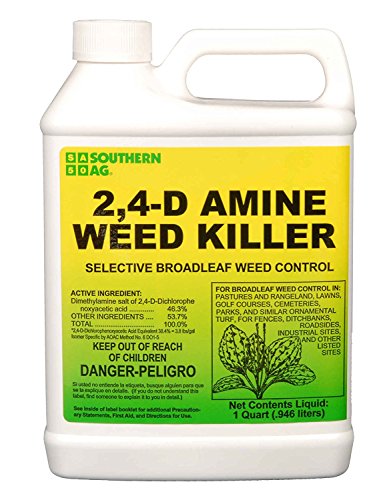
Southern Ag Amine 2,4-D WEED KILLER offers a low-use-rate option (1 to 4 pints per acre) to kill a broad spectrum of broadleaf weeds while safely protecting turf. The formula is designed for use in turf, pastures, rangeland, ditch banks, and fencing lines. Its broad application potential makes it a flexible choice for homeowners managing mixed landscapes. Apply when weeds are actively growing for best results. Farmers and homeowners alike may value the economical rate and broad weed coverage this product provides.
Key features and usage notes: This product targets many broadleaf weeds and woody plants. It is designed for use in turf and other grassy areas where broadleaf weed control is desired. Consider the size of the treated area and weather conditions to optimize results, as temperature and rainfall influence uptake.
Scotts Liquid Turf Builder with Plus 2 Weed Control

Scotts Liquid Turf Builder with Plus 2 Weed Control combines weed control with lawn nourishment. This liquid weed killer plus fertilizer helps combat common broadleaf weeds such as dandelion, clover, ground ivy, henbit, chickweed, and plantain. The product is designed to promote greening as weeds are suppressed, making it a convenient option for those seeking a single-step weed control and fertilization solution. Use when weeds are actively growing for best results and ensure proper mixing per the label directions.
Key features to consider: It provides both weed control and a nitrogen boost, which can be appealing for homeowners who want quick lawn improvement. Its broad weed spectrum includes several frequent lawn invaders. Check compatibility with your specific grass type and follow the recommended application rate to avoid excessive growth or potential burn in sensitive varieties.
Liquid Harvest Lawn Weed Killer – 32 Ounces

Liquid Harvest Lawn Weed Killer features a three-way control approach containing 2,4-D, MCPA, and Dicamba to tackle a broad array of weeds while safeguarding turfgrass. The low-odor formulation minimizes workout-related discomfort during application, making it a more pleasant experience for homeowners who prefer less pungent products. Designed to minimize impact on grass when used as directed, it targets common lawn weeds like dandelion and clover, among others.
Important considerations: The 32-ounce size is suitable for mid-size lawns, and users should follow the label for proper mixing and application timing. Weather conditions, soil type, and grass species will influence effectiveness, so plan applications accordingly and re-treat only as directed.
Liquid Harvest Lawn Weed Killer – Gallon

This gallon-sized Liquid Harvest formulation extends the three-way weed control approach (2,4-D, MCPA, Dicamba) into a larger treatment. The same low-odor formulation aims to improve user experience during application, while maintaining broad weed spectrum control. This option suits homeowners with larger lawns or those who prefer fewer refills during the season.
Usage guidance: Apply when weeds are actively growing and water the treated area as directed to ensure uptake. As with all three-way blends, ensure compatibility with your grass species and follow the label for dosage to avoid unintended damage to desirable turf.
Ortho WeedClear Lawn Weed Killer Concentrate2

Ortho WeedClear Lawn Weed Killer Concentrate2 is a versatile concentrate designed to kill broadleaf weeds like dandelion, dollarweed, chickweed, and clover without harming the lawn when used as directed. It claims to target over 250 listed weeds, offering fast-acting results. The product supports broadcast treatment across various grass types, including compatible Bermuda, Fescue, Zoysia, and St. Augustine grasses, with exceptions noted on the label.
Key considerations: This concentrate provides broad-spectrum efficacy, but results depend on proper dilution, mixing, and weather conditions. It is essential to follow the label precisely for rate and timing to protect the lawn while achieving weed control. It is a flexible option for homeowners seeking robust weed management with a trusted brand name.
Ortho WeedClear Lawn Weed Killer Ready-To-Spray3

Ortho WeedClear Lawn Weed Killer Ready-To-Spray3 offers ready-to-use convenience for homeowners who prefer spray-and-go solutions. It targets common lawn weeds such as dandelion, dollarweed, chickweed, and clover without harming established turf when used as directed. This spray format delivers fast-acting weed control and is widely compatible with various grass types, including popular warm-season and cool-season species.
Practical notes: Ready-to-spray products simplify application and reduce measurement errors. Follow on-label directions for spray coverage, mixing (if necessary), and safety considerations. As with other liquid weed killers, timing and environmental conditions influence performance, so select application windows when weeds are actively growing.
Buying Guide: Key Purchase Considerations And Comparisons
- Active ingredients and weed coverage: Most products rely on 2,4-D as a core active ingredient, often combined with MCPA and Dicamba for broader control. Consider which weeds you encounter most and whether you need three-way control or a single-ingredient option.
- Formulation and convenience: Ready-to-spray and concentrate options vary by user preference. Ready-to-use formulations offer quick application, while concentrates allow customization of mix and volume for large areas.
- Grass compatibility: Check whether the product is labeled for your grass type. Some blends are more suitable for cool-season grasses, while others work better with warm-season varieties.
- Weather and timing: Apply during active weed growth and avoid extremes of heat or drought. Watering requirements after application influence the product’s effectiveness, so plan around rainfall or irrigation.
- Tank mixing and compatibility: If you use multiple lawn products, confirm compatibility to prevent adverse reactions. Always follow label instructions for mixing order and ratios.
- Environmental and safety considerations: Use protective gear as recommended, avoid overspray onto non-target vegetation, and store products securely away from children and pets.
- Cost and coverage: Compare the price per treatable area and per gallon or quart to estimate annual costs for your lawn size. Larger volumes may reduce cost per square foot.
- Longevity and re-treatment: Some products act quickly, while others require multiple applications for complete control. Plan a treatment schedule aligned with weed growth cycles.
In summary, the five products above offer a range of formats, active ingredient blends, and usage scenarios for liquid broadleaf weed control in lawns. Homeowners should consider weed species, grass type, application convenience, and environmental conditions to choose the most suitable option for their lawn care plan.