If you’re battling compacted soil, standing water, or slow drainage, a liquid aeration soil loosener can be an easy, non-mechanical way to improve water infiltration and root growth. This guide highlights five effective liquid aerators designed for various lawn types and soil conditions. It explains who each product is best for, why it works, and practical considerations to help you choose. The buyers below are grouped to help you match your lawn’s needs with the right solution.
Quick product overview for easy comparison: This table lists the five selected liquids, their intended use, and who benefits most from each option. Use it as a practical quick-check before you read detailed sections.
| Product | Best For | Key Benefit |
|---|---|---|
| Liquid Soil Loosener — Simple Lawn Solutions | Compact soils, standing water, any grass type | Concentrated conditioning for both standalone use and with aeration tools |
| Liquid Lawn Aerator (LawnStar) | Reduces need for core aeration, general DIY users | Easy spray-on solution that improves water uptake and drainage |
| Turf Titan Thatch Buster Liquid Lawn Aerator | Clay or severely compacted lawns with thatch | Biological breakdown of thatch and improved root growth |
| Aeroflow by Lawnbright | Heavy foot traffic or clay soils; safe for kids and pets | Non-mechanical aeration with visible drainage improvements |
| Covington Liquid Lawn Aerator | Clay soils; DIY-friendly soil conditioning | Liquid conditioner that enhances water movement and root absorption |
Liquid Soil Loosener — Simple Lawn Solutions
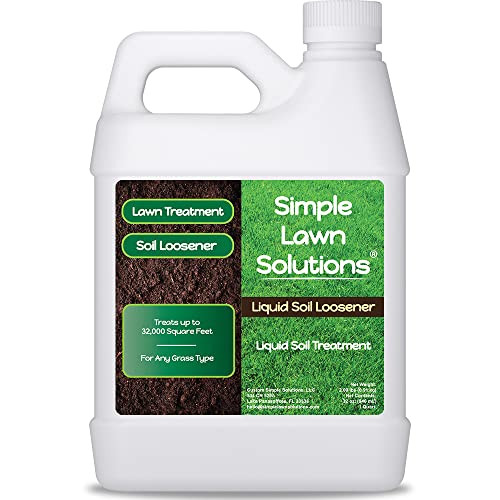
Product overview: This liquid soil loosener can be used alone or together with mechanical or core aeration tools. It conditions compacted soil to support downward water movement, better drainage, and increased water infiltration. The formula is described as a concentrated soil conditioner that softens soil and promotes healthy root zones. It covers up to 32,000 square feet per 32-ounce bottle, making it suitable for medium to large lawns.
Who it’s best for: Homeowners with compacted soils that need a non-labor-intensive solution, or gardeners who want to pair a soil conditioner with their aeration routine. This product is a strong pick for those seeking an easy-to-apply option that works alongside fertilizer programs.
Why selected: It provides a versatile approach—usable on its own or with aeration—while addressing water movement and drainage issues. This makes it a practical “do-it-all” choice for lawns experiencing poor drainage or standing water during wet seasons.
Important caveat: As a concentrated liquid, application clarity matters. Follow label directions to avoid over-application in small areas and ensure even coverage for best results.
Liquid Lawn Aerator (32 fl oz) — LawnStar
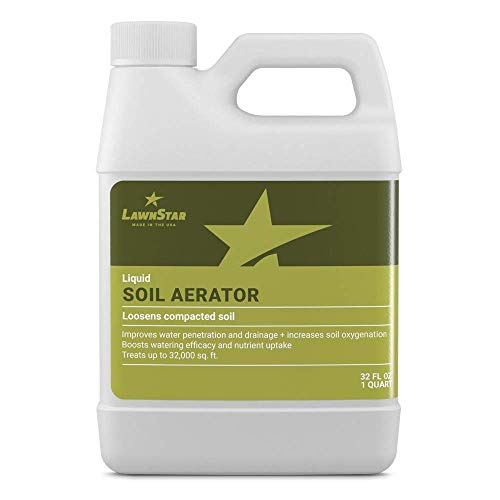
Product overview: A non-mechanical alternative to core aeration, this liquid soil loosener is designed to improve water penetration and soil drainage. It emphasizes deeper water uptake and soil oxygenation through a hyper-concentrated formulation, making it a cost-effective solution for homeowners who want easier lawn maintenance without renting or purchasing aeration tools.
Who it’s best for: Gardeners looking to avoid heavy equipment or labor while achieving noticeable improvements in moisture movement and soil health. It’s also suitable for lawns where regular watering needs to be optimized alongside nutrient programs.
Why selected: It positions itself as a practical DIY option that can replace or complement core aeration, especially in subtler soil improvements where immediate mechanical work isn’t desirable.
Important caveat: Results can vary with soil type; very compacted clay soils may take longer to show visible changes compared with lighter soils.
Turf Titan Thatch Buster Liquid Lawn Aerator

Product overview: This liquid aerator targets compacted and clay soils while promoting root growth and drainage. It uses a bio-powered approach, leveraging beneficial microbes to loosen soil and enhance airflow without traditional breaking or heavy labor. It also helps convert thatch into usable nutrients, supporting overall turf health over time.
Who it’s best for: Homeowners with dense clay soils or lawns with significant thatch buildup who want a soil-building product that can be applied without tools or equipment. It’s especially suitable for those who prefer a biological, lower-labor solution.
Why selected: The dual action of loosening soil and addressing thatch provides a longer-term soil health benefit beyond immediate moisture improvements, making it a strong choice for persistent soil issues.
Important caveat: Biological products may require longer time to demonstrate results, with improvements often appearing over several weeks to a couple of months depending on conditions.
Aeroflow by Lawnbright — Liquid Lawn Aerator

Product overview: Aeroflow is designed to loosen soil without equipment and is promoted as safe for kids and pets. It aims to open compacted soils so roots can breathe and grow deeper, reducing puddling and improving drainage in areas with heavy foot traffic or clay-heavy soil.
Who it’s best for: Families and homeowners who want a kid- and pet-safe solution that minimizes noise and equipment, while still achieving noticeable improvements in drainage and soil health.
Why selected: Its emphasis on ease of use and safety makes it a practical choice for households seeking a low-stress, spray-on alternative to mechanical aeration, with a focus on everyday lawn resilience.
Important caveat: As with other liquid solutions, results depend on soil conditions and proper application; some lawns may need multiple applications over a season for best effect.
Covington Liquid Lawn Aerator (32oz)

Product overview: Covington Naturals’ liquid aerator acts as a deep soil conditioner that loosens compacted soil and enhances water movement and nutrient absorption. It’s especially suitable for clay soils and garden beds, promoting stronger root growth and healthier turf overall.
Who it’s best for: Homeowners dealing with clay soils, those who want a straightforward liquid alternative to core aeration, and gardeners seeking a product formulated with humic and kelp-based components to feed beneficial microbes.
Why selected: It emphasizes soil conditioning in addition to aeration, addressing both water movement and microbial health, which can contribute to long-term lawn vigor.
Important caveat: This product relies on soil biology; results may require consistent applications and proper watering to sustain improvements.
Buying Guide: Liquid Aeration Soil Looseners
Do I need liquid aeration or core aeration?
Liquid aeration provides a non-mechanical option to improve water movement and soil structure. Core aeration physically removes plugs and often delivers quicker, visible relief in heavily compacted soils. Consider combining a liquid product with annual core aeration if your soil is severely compacted.
How to choose based on soil type
- Clay soils: Look for products that emphasize deep conditioning and improved drainage; clay benefits from microbial action and improved pore spaces.
- Loamy or sandy soils: Focus on products that enhance water infiltration without over-wetting, since these soils drain more readily.
Safety and suitability for pets and children
Some liquids advertise being safe for kids and pets. Always check label guidance, avoid spraying near play areas, and water the lawn as directed after application when required.
Application frequency and seasonality
Liquid aerators are generally applied per label directions, with some lawns benefiting from multiple applications during peak growing seasons. Avoid applying during extreme heat or drought unless the product explicitly permits it.
How to apply for best results
- Apply evenly across the lawn to ensure uniform soil conditioning.
- Water as recommended by the product to activate the solution and help with infiltration.
- Combine with seasonal fertilization for integrated lawn health.
Compatibility with fertilizers and other treatments
Most liquids are designed to work with standard fertilizer programs, but verify compatibility on the label. If using weed or pest treatments, follow the recommended spray timing to avoid interference.
What to expect and how long it takes
Differences between products exist. Some provide immediate improvements in drainage, while others show gradual soil-building benefits over weeks. Plan for a multi-application approach if your lawn experiences persistent compaction or thatch.
Choosing the right product for your goals
Based on the five options covered, select the product that aligns with your soil type, maintenance preferences, and desired outcomes—ease of use, safety, and compatibility with your existing lawn care routine.
FAQ: Liquid Aeration For Lawns
- What is liquid lawn aeration? It is a non-mechanical treatment that uses liquids to loosen compacted soils, improve water infiltration, and promote root growth.
- Can liquid aerators replace core aeration? They can reduce the need for core aeration in some cases, but severely compacted soil often benefits from mechanical aeration as well.
- Are liquid aerators safe for pets and children? Many products claim safety when used as directed; always check the label and observe recommended waiting periods before reentry to treated areas.
- How quickly will I see results? Some products show immediate drainage improvements, while others require weeks to months for noticeable growth and root health benefits.
- How often should I apply? Follow the product’s label for frequency; several options support seasonal applications to maintain soil health during peak growing periods.
- Is liquid aeration effective for clay soils? Yes, especially products that promote microbial activity and improved drainage; results depend on soil biology and weather.