Growing lemon trees indoors combines fresh citrus fragrance with compact, decorative appeal. This guide highlights five well-suited options for American homes, ranging from real Meyer lemon trees that thrive in bright windows to maintenance-light indoor-friendly varieties, and even realistic artificial choices for year-round decor. Each appears with its own benefits, care hints, and suitability for indoor spaces such as kitchens, living rooms, or bright offices. Use the Buying Guide to compare key considerations like light needs, pot size, and maintenance when deciding which lemon tree best fits your lifestyle.
| Product | Brand | Indoor Suitability |
|---|---|---|
| Garden State Bulb Meyer Lemon Tree, 1 Gallon | GSB Garden State Bulb | Indoor near bright window; partial sun to partial shade |
| Meyer Lemon Trees Live Plants, 18–22″ Tall | Via Citrus | Indoor or outdoor; best in bright indoor spaces or patios |
| TPS NUTRIENTS Lemon Tree Fertilizer, 8 oz | TPS NUTRIENTS | Indoor containers; supports year-round growth |
| PHYTREE Artificial Lemon Tree, 5 ft | PHYTREE | Indoor décor; no care required |
| Warmplants Artificial Lemon Tree, 5 ft | Warmplants | Indoor décor; maintenance-free |
Garden State Bulb Meyer Lemon Tree

The Garden State Bulb Meyer Lemon Tree arrives as a living 1-gallon plant suited for indoor placement near a bright window. This Meyer lemon variety is known for its compact growth, making it a practical option for kitchens or sunlit living spaces. Ideal for citrus lovers who want fresh fruit and aroma without taking up a large footprint, the plant’s container size fits standard indoor pots while maintaining enough soil depth for root development. Light requirements emphasize partial sun to partial shade, so position the plant where it receives steady daylight. Regular watering and monitoring of humidity will support healthy foliage and fruiting cycles.
Key care notes: choose a lightweight, well-draining potting mix, and ensure the plant has airflow to prevent fungal issues. Leverage a bright windowsill for maximum photosynthesis without scorching. Lemon trees can fruit in containers if given consistent light and proper fertilization, though fruiting might be more modest indoors. Seasonal adjustments, such as moving to a brighter spot during growth spurts, help sustain vigor. This option is well-suited for a hobbyist seeking edible lemons from a compact indoor tree.
Meyer Lemon Trees Live Plants Outdoor 18–22″ Tall

This Via Citrus Meyer Lemon tree stands 18–22 inches tall and is described as a dwarf variety suitable for indoor use or sheltered outdoor settings. The plant promises flavorful, juicy lemons ideal for kitchens, with blossoms that perfume spaces and announce harvest time. The compact size supports placement on tabletops, countertops, or small balconies, while still offering the visual appeal of a mature citrus tree. The listing highlights ease of care and the versatility of growing conditions, presenting a practical choice for beginners and seasoned gardeners alike who want fresh fruit with minimal footprint.
Care considerations include bright, indirect light and well-draining soil. Container growth requires regular feeding with citrus-specific fertilizer and careful watering to prevent root rot. This model is especially attractive for those who want a real, fruit-bearing tree but have limited space, as it may adapt well to a sunny kitchen corner or a sunlit living room before transitioning outdoors in suitable seasons.
Lemon Tree Fertilizer, Complete Lemon Tree Plant Food
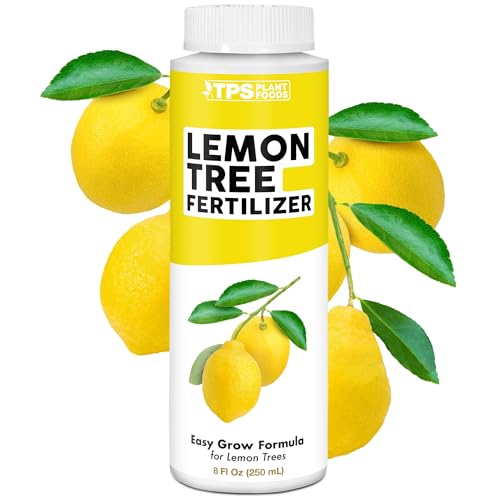
Fertilizer tailored for lemon trees supports healthy foliage, steady growth, and fruit production. This 8 oz bottle is designed for use with Meyer lemon trees and other citrus varieties, delivering a nutrient blend that aims to optimize photosynthesis and nutrient uptake. The product is presented with simple usage instructions: mix a specified amount of fertilizer with water and apply as part of regular irrigation. For indoor growers, consistent feeding helps maintain vigor, particularly during flowering and fruit set when trees rely on evenly distributed nutrients.
When using this fertilizer indoors, avoid over-fertilization, which can lead to leaf burn or excess salt buildup in pots. Pair feeding with proper watering, ensuring the container provides adequate drainage. This option is compatible with both new and established trees inside homes, offices, or sun-lit patios, making it a practical supplement for those seeking consistent lemon harvests from container-grown trees.
PHYTREE 5ft Artificial Lemon Tree
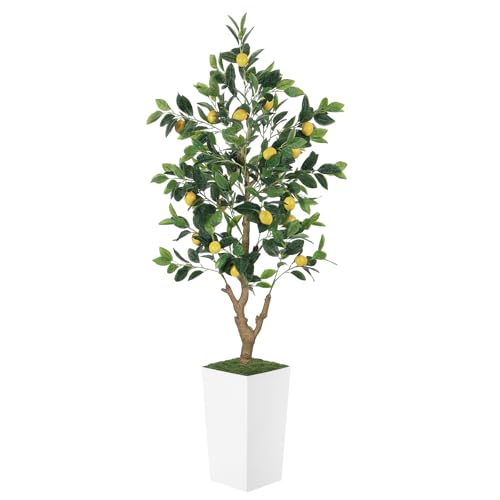
The PHYTREE 5ft artificial lemon tree offers a ready-made tropical centerpiece with a tall, realistic silhouette. This faux lemon tree includes a high-quality planter and faux moss at the base, delivering an instantly decorative option that requires no watering or pruning. The realistic leaves and fruit provide a convincing look suitable for living rooms, offices, or reception areas. It is especially appealing for spaces where real plants struggle with light or maintenance, or for those who want a low-maintenance still-life accent that mirrors a real lemon tree’s charm.
Assembly is designed to be quick, with numbered branches and simple shaping. The tree is built to withstand frequent handling and maintain its appearance with minimal care. For interior styling, consider pairing with other greenery or seasonal décor to create a seasonal citrus vignette without the mess of real fruit.
Warmplants Artificial Lemon Tree, 5 ft

This 5-foot Warmplants artificial lemon tree presents a balanced mix of visual realism and practical convenience. It features a white planter and a sturdy base, with realistic lemons distributed among full, leafy branches. The design includes a shaping capability via a wire inside the branches, allowing customization of the tree’s silhouette to suit room layouts or display niches. Suitable for busy households or spaces that require constant aesthetics without care requirements, this option ensures year-round decor without watering, pruning, or fertilizer needs.
Ideal applications include living rooms, offices, or retail displays where a bright citrus focal point is desired without the responsibilities of live plants. It pairs well with modern interiors or tropical-themed spaces and can be integrated into seasonal arrangements with other faux greenery.
Buying Guide: Key Purchase Considerations
- Light and placement: Real Meyer lemon trees typically need bright light, ideally near a sunny window. If space is limited or light is scarce, artificial options offer reliable aesthetics without care requirements.
- Size and pot compatibility: Choose a plant size that fits your space. Real trees like 18–22″ or 1-gallon pots fit many indoor spots, while artificial trees offer stable dimensions with easy placement.
- Maintenance level: Real lemon trees require watering, feeding, and occasional pruning. Fertilizers designed for citrus support steady growth. Artificial trees require minimal upkeep beyond occasional dusting.
- Fruit production vs. décor: Real trees provide edible lemons and fragrance, whereas artificial options prioritize visual impact and year-round appeal without fruiting.
- Care routines and climate compatibility: Real trees may need seasonal adjustments, temperature management, and humidity balance; artificial trees are weatherproof for indoor or covered outdoor spaces.
- Budget and longevity: Real trees have ongoing costs for soil, pots, and fertilizer but can yield fruit; artificial trees are a one-time purchase with long-term decorative value.
In selecting the best indoor lemon tree, consider whether your priority is fresh fruit, fragrance, or decorative ambiance. Real Meyer lemon varieties provide edible harvests and aroma but require ongoing care and suitable light. If low maintenance or seasonal decor is key, high-quality artificial lemon trees offer reliable aesthetics with minimal effort. A mix of both approaches can also suit multi-room homes, delivering harvest potential in one area and decorative greenery in another.