Pool leaks can waste water, raise costs, and complicate chemical balance. The right leak-detection dye helps you pinpoint issues quickly without guesswork. This guide reviews five top-rated dye kits designed for pools, spas, and hot tubs, focusing on visibility, safety, and ease of use. Each option works with various pool types and conditions, including chlorine and saltwater environments.
| Product | Color | Approx. Dye Type | Highlights |
|---|---|---|---|
| Escentile Pool Leak Detection Dye Kit (Blue, 8 oz) | Blue | UV High-Contrast Dye | Excellent underwater stability; precision applicators included |
| Escentile Pool Leak Detection Dye Kit (Yellow, 8 oz) | Fluorescent Yellow | UV High-Contrast Dye | Bright visibility on dark surfaces; same precision kit |
| Leakmaster Pool Dye Leak Detection Kit (Blue Dye, 8 oz) | Blue | High-visibility dye; reusable syringe | Professional-grade, precise placement |
| WANJAO Pool Leak Detection Dye Kit (Yellow, 100 ml) | Yellow | Fluorescent Dye | Strong fluorescence; tight-spots testing with locking tips |
| DOSIDIAG Universal Leak Detector | Fluorescent | UV-compatible fluorescein | Versatile across pools, plumbing, and other systems |
Escentile Pool Leak Detection Dye Kit – 8 oz Blue

The Escentile blue dye kit emphasizes high-contrast underwater visibility and outdoor sunlight glow. It includes 4 precision applicators to target leaks in multiple areas—surface cracks, skimmer baskets, light niches, jets, and grout gaps. The dye’s underwater stability supports accurate testing without rapid dissolution, making it suitable for various pool types, including inground, above-ground, fiberglass, and vinyl-lined systems. This kit is designed to be family-safe and compatible with chlorinated and salted water environments.
Escentile Pool Leak Detection Dye Kit – 8 oz Yellow

Designed for darker surfaces, the fluorescent yellow dye provides a bright glow in low-light conditions or on shadows, enhancing traceability around fittings, drains, and seam lines. Like the blue version, this kit includes precision applicators to minimize water disturbance during testing. It remains effective in both chlorine and saltwater pools and is compatible with many pool configurations. This makes it a versatile choice for DIYers and professionals alike.
Leakmaster Pool Dye Leak Detection Kit – Blue Dye

This Leakmaster kit focuses on precision and professional-grade results. A reusable syringe allows targeted dye placement with minimal water currents that could otherwise mask leaks. The blue dye provides a high-contrast test that remains visible as it travels through suspected leak paths. The kit supports multiple tests, helping identify the exact location of leaks in pools, hot tubs, or spas and supports ongoing maintenance diagnostics.
Leakmaster Pool Dye Leak Detection Kit – Yellow Dye

Offering both precision and convenience, this yellow dye kit uses a prefilled syringe with a 6 ml dye dose and an 8 oz refill bottle for up to 40 uses. The fluorescent yellow dye performs well on darker backgrounds and is designed to minimize background confusion when tracing leaks around drains, fittings, or cracks. It’s a practical option for ongoing leak-tracing projects and works with a variety of pool types.
WANJAO Pool Leak Detection Dye Kit – Yellow, 100 ml

The WANJAO kit emphasizes strong fluorescence for quick identification, including in tight spaces behind plumbing and around drains. It features locking tips to extend reach without excessive water disturbance. The 100 ml bottle provides ample testing material for multiple attempts, making it a solid option for consistent leak verification across different pool setups and hours of testing.
DOSIDIAG Universal Leak Detector
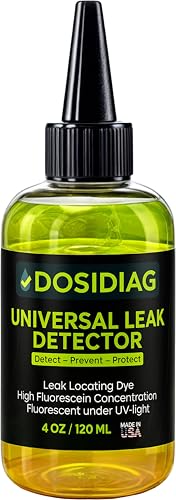
DOSIDIAG’s universal tracer is designed for broader use beyond pools, including plumbing, roofing, marine, and automotive applications. Its fluorescein-based dye offers high visibility under UV and in daylight. The kit’s syringe-tip design supports accurate dosing with minimal waste, making it suitable for pinpointing leaks in complex systems and providing a reliable, repeatable leak-detection workflow for professionals and DIYers alike.
Buying Guide: Key Considerations for Choosing Pool Leak Dyes
When selecting a leak-detect dye, consider the following factors to ensure compatibility with your pool and testing needs:
- Visibility and background contrast: Dark or light pool surfaces influence dye choice. Fluorescent yellow works well on dark surfaces, while blue dyes are highly visible on light backgrounds.
- Underwater stability: Dyes that hold together underwater without dissolving too quickly enable more accurate tracing of leaks, especially over longer tests or in larger pools.
- Applicator design: Precision applicators and syringe systems help place dye exactly where needed, reducing water disturbance that could mask leaks.
- Color options: Having both blue and yellow dyes provides flexibility for different testing scenarios and lighting conditions.
- Compatibility: Ensure the dye works with chlorine and saltwater systems and is safe for pool materials (vinyl, fiberglass, concrete) and family use.
- Refillability and kit contents: Refillable syringes and multiple tests per kit can lower long-term costs and support repeated testing cycles.
- Versatility: Some dyes also support testing in plumbing, spa jets, and other components beyond pools, adding value for multi-system maintenance.
- Safety and environmental impact: Biodegradable formulas and non-staining properties help minimize environmental concerns and surface damage.
How to Decide Between Dye Colors
For daytime testing in bright sun, high-contrast blue dyes may be easiest to spot on light backgrounds, such as white pool liners. In shaded areas or on darker surfaces, fluorescent yellow dyes often provide superior visibility. If testing across multiple pool types or in tight spaces, choose a kit with precise applicators and a good range of nozzle tips to improve access and accuracy.
Test Protocol Basics
Begin by draining or lowering water around the suspected area, if safe and practical, to reduce dilution. Apply dye directly at the path you want to test, then observe dye movement over a short period. If dye is drawn toward a crack, joint, or fitting, you’ve located the leak. For stubborn spots, reapply with adjusted placement and consider using a dye color with higher contrast for the surface background.
Maintenance and Safety Tips
Dispose of dye residues according to local regulations and avoid staining non-target surfaces. Wear protective gloves when handling dyes and follow the manufacturer’s instructions for safe use with pool chemistry. Regular leak testing can prevent larger issues and help maintain optimal water balance and equipment performance.