Whether you’re building a new sprinkler system or upgrading an aging setup, choosing the right lawn sprinkler control valve is essential for efficient watering and preventing backflow. This guide highlights five top options that balance backflow prevention, durability, and ease of maintenance. It is best for homeowners needing reliable anti-siphon and inline valves, small to mid-size landscapes, and professionals seeking straightforward replacements. The following summaries, buying guide, and a concise FAQ help you compare features, installation needs, and suitability at a glance.
| Product | Best For | Key Benefit |
|---|---|---|
| Orbit 57623 | Residential lawns with above-ground setups | Anti-siphon with flow control and easy maintenance |
| Orbit 57280 | Zones needing simple DIY replacement | Heavy-duty diaphragm with clog-resistant design |
| Rain Bird CP/DASASVF family | In-line and above-ground applications | Professional-grade anti-siphon and solenoid |
| Hunter PGV 1″ | Commercial or larger residential systems | In-line flow control and timer compatibility |
| Rain Bird DASASVF075 | Anti-siphon with integrated flow control | Compact, reliable for above-ground use |
Orbit 1/2: 3/4″ FPT 100 Series Anti-Siphon Valve

Best for: Homeowners installing an above-ground sprinkler line where backflow risk must be minimized. This Orbit valve includes an atmospheric vacuum breaker to prevent water from siphoning back into culinary or irrigation lines, aligning with codes in many regions. The integrated scrubber filter reduces clogging from debris, aiding long-term reliability.
Why selected: It provides a simple, straightforward install with minimal parts to assemble. The anti-siphon feature protects your water supply while keeping sprinkler zones pumping forward. Its flow control helps balance irrigation across multiple zones, making it a practical choice for typical residential lawns and gardens.
Caution: An above-ground location may require weather protection in freezing climates. Ensure the riser height and clearances align with your landscaping layout to avoid misalignment during maintenance.
Orbit 57280 3/4″ FPT L-Series Valve

Best for: Zones requiring reliable flow control with accessible maintenance, especially in DIY installations. This valve is designed to handle typical sprinkler water loads while remaining easily serviceable, thanks to an internal scrubber filter and multiple screws for diaphragm access.
Why selected: It’s compatible with standard 3/4-inch and 1-inch FPT fittings and can be a direct replacement in Orbit-heavy manifolds. The four captured screws in the lid simplify field servicing, minimizing downtime during seasonal adjustments.
Caution: The valve is primarily designed for controlled residential use; confirm electrical compatibility with your timer before wiring in a new solenoid assembly.
Rain Bird DASASVF075 Anti-Siphon Valve
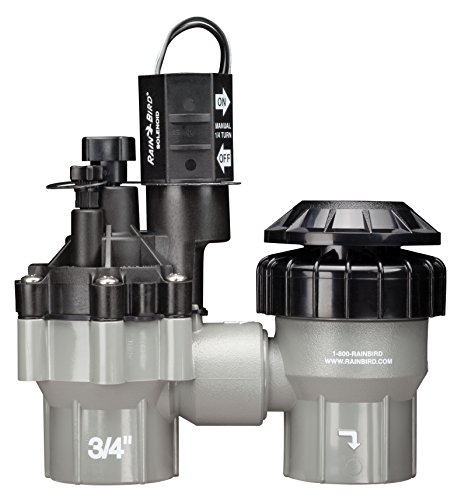
Best for: Professional-grade installations in above-ground setups where automatic flow control is important. This valve supports a robust anti-siphon design and integrates with common sprinkler timers for precise watering control.
Why selected: It combines anti-siphon protection with a flow control feature, reducing overwatering and ensuring zone accuracy. The unit is designed to be installed above ground, which simplifies access for maintenance and bleed operations.
Caution: Optimal performance depends on correct installation height (often above the highest head). Improper placement can compromise backflow protection and valve longevity.
Orbit 1-Inch FPT 100 Series Anti-Siphon Valve

Best for: Systems needing a larger, 1-inch valve with anti-siphon protection and flow control. Ideal for mid-to-large residential landscapes or small commercial setups where increased flow capacity is beneficial.
Why selected: Similar to the smaller model, this valve provides protection against backflow while maintaining easy above-ground maintenance. The larger size supports higher flow demands in bigger irrigation zones.
Caution: The 1-inch size requires compatible piping and fittings. Verify that your irrigation layout accommodates the larger valve footprint and pressure requirements.
Rain Bird CP075 In-Line Automatic Sprinkler Valve

Best for: In-line, below-ground installations in residential or light commercial settings. The CP075 is designed for quiet operation and straightforward integration with standard timers.
Why selected: Its compact design and below-ground compatibility make it a versatile choice for landscaped beds and turf areas where above-ground components aren’t preferred. It works with standard 3/4-inch connections and is designed for durable, low-profile installations.
Caution: For best backflow protection, ensure proper alignment with the upstream anti-siphon devices and confirm the valve is buried with adequate clearance to service.
Orbit 57461 Jar Top Valve 1-Inch NPT
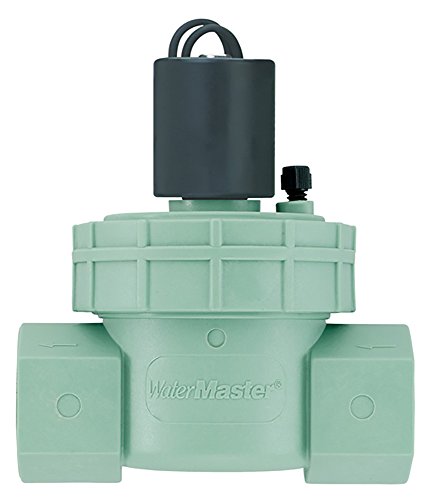
Best for: Zones requiring accessible serviceability with a jar-top lid design for diaphragm access and easy servicing. Suitable for both sprinkler and drip irrigation control in moderate landscapes.
Why selected: The jar-top lid design simplifies diaphragm maintenance, which can extend valve life and reduce service calls. Its 24 VAC solenoid and built-in scrubber filter help maintain consistent performance in dirty water scenarios.
Caution: Jar-top valves can require more vertical space for lid clearance; plan the layout to prevent obstructions during maintenance.
Buying Guide: Key Considerations For Choosing Lawn Sprinkler Control Valves
Backflow prevention matters. Choose valves with anti-siphon features when your system is exposed to the risk of backflow into drinking water lines. If local code requires backflow protection, ensure the model complies or is compatible with your installation height and configuration.
Flow control matters. Valves with built-in flow control help regulate each irrigation zone. This improves efficiency, reduces water waste, and supports even plant growth across turf and garden beds. Consider whether a model offers reliable, adjustable flow control that fits your timer and zone layout.
Installation type matters. Decide between above-ground and below-ground installations. Above-ground valves offer easy access for maintenance and adjustments but may need weather protection in freezing climates. Below-ground valves are hidden and often more aesthetically pleasing but require careful trenching and cover considerations.
Solenoid compatibility matters. Most residential systems use 24V AC solenoids. Verify that the valve’s solenoid is compatible with your irrigation controller and is field-serviceable if you anticipate future replacements or upgrades.
Size and fittings matter. Valves come in 3/4″ and 1″ FPT sizes and use standard PVC piping. Ensure your existing piping and manifolds match the valve’s size. A mismatch can cause leaks or flow restrictions that degrade performance.
Maintenance and durability matter. Look for valves with internal filters or scrubbers to minimize clogging from sediment. Diaphragm construction and lid screws that are easy to access can reduce maintenance time and extend service life.
Brand ecosystem matters. If you already use Orbit or Rain Bird components, matching to the same brand can simplify replacements and ensure compatibility with existing controllers and manifolds.
Frequently Asked Questions
- What is a lawn sprinkler control valve and why is it important? It regulates water flow to irrigation zones and prevents backflow into your drinking water supply, protecting both plant health and water safety.
- What is the difference between anti-siphon and inline valves? Anti-siphon valves include a design to block backflow, often used above ground. Inline valves sit in-line with piping and may or may not include backflow prevention depending on the model.
- Do I need a 24V or 120V valve? Most residential systems use 24V AC solenoids. Confirm compatibility with your irrigation timer or controller to ensure proper activation.
- Can I replace just the solenoid or diaphragm? Many valves allow diaphragm or solenoid replacement, which can be more economical and time-saving than replacing the entire valve. Check the model’s serviceability.
- How do I know which size valve to buy? Match the valve size to your existing pipes: 3/4″ or 1″ FPT is common for home systems. Larger zones or higher flow demands may require the 1″ size.
- Is above-ground or below-ground installation better? Above-ground is easier for maintenance and is often used with anti-siphon valves. Below-ground installations are discreet and protect valves from weather but may require trenching and burying guidelines.