Growing vegetables in large outdoor planter boxes can maximize yields and simplify maintenance. This guide highlights five sturdy options featuring elevated height, durable materials, and weather resilience—designed to support deep-rooting crops like tomatoes, peppers, beans, and leafy greens. Each option balances size, strength, and ease of assembly to help American gardeners choose the best fit for patios, decks, or yards.
Product Summary
| Product | Brand | Top Benefit |
|---|---|---|
| MIXC Wooden Raised Garden Bed | MIXC | Elevated wooden frame with reinforced beams for durability |
| Best Choice Products 6x3x2ft | Best Choice Products | Deep, metal-beam construction with high soil volume |
| DIZAIGOGO 47x15x19in | DIZAIGOGO | Large interior space with weather-resistant polypropylene |
| Vego garden Rolling Elevated Bed | Vego garden | Heavy-duty metal bed with wheels and high weight capacity |
| Land Guard 8x4x2 ft | Land Guard | Large galvanized steel bed with durable reinforcement |
The following sections present five product options with detailed features, construction notes, and suitability for various vegetables and herbs. Each product is evaluated for strength, durability, and ease of use in outdoor environments.
MIXC Wooden Raised Garden Bed With Legs
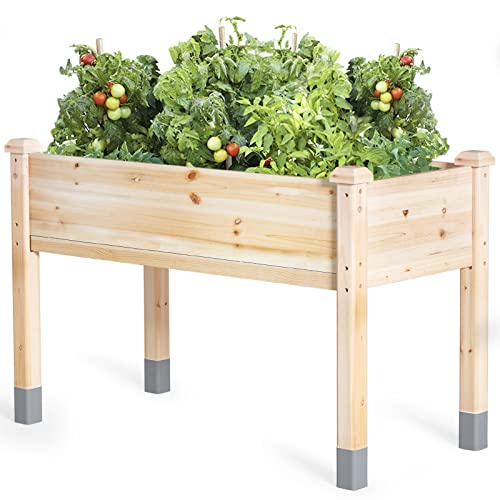
- Material and frame: Untreated fir wood with Pinus radiata support beams for improved load-bearing, designed as a beam-and-column structure rather than a simple dovetail joint.
- Dimensions and depth: 48 inches long, 24.4 inches wide, and 31 inches high with a 9-inch soil depth, suitable for a variety of vegetables and herbs.
- Durability and weather protection: Legs are coated with waterproof paint to resist rot; overall service life up to 3 years outdoors in typical climates.
- Drainage and liner: Four drainage holes plus a waterproof PE liner (67″ x 55″) provides moisture control and wood protection.
Best Choice Products 6x3x2ft Outdoor Metal Raised Garden Bed
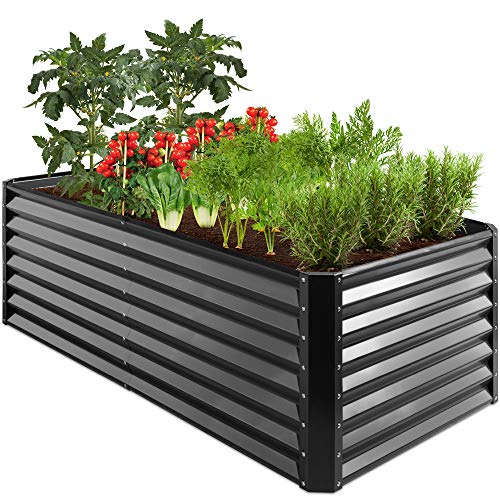
- Depth and capacity: 24 inches deep, supports up to 269 gallons of soil—a solid choice for broccoli, beans, and other deep-root vegetables.
- Construction: Tool-free assembly using beveled steel panels with wingnuts, bolts, and rubber edging for safety and quick setup.
- Durability: Powder-coated steel panels resist weathering, providing a sturdy bed suitable for long-term outdoor use.
DIZAIGOGO 47x15x19in Raised Garden Bed

- Interior space and depth: A 47x15x19 inch bed with an 11.8-inch soil depth helps promote healthy root growth for a range of crops.
- Material and weather resistance: Made from food-safe polypropylene designed to withstand heat and frost for outdoor longevity.
- Drainage and maintenance: Easy-to-clean design with ample surface area to support robust vegetable, flower, and herb growth.
Vego garden Rolling Elevated Raised Bed-V Series
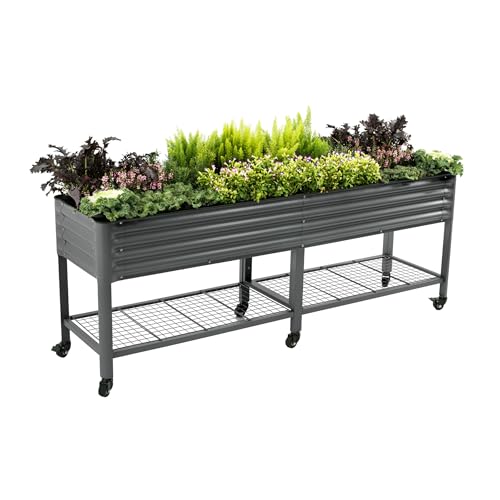
- Material and strength: A welded construction using a VZ 2.0 alloy (zinc, magnesium, aluminum coated steel) with AkzoNobel paint, delivering a 20+ year life and strong weight support.
- Height and ergonomics: Elevated to reduce bending, with a planting height of 12 inches and a total bed height of 32 inches, targeting easier access for extended gardening sessions.
- Weight capacity: Models in this line support hundreds of pounds of soil and plants, making them suitable for larger plantings and dense vegetable beds.
Land Guard 8x4x2 ft Galvanized Raised Bed

- Size and volume: Large 8x4x2 ft bed with substantial soil capacity; ideal for multiple crop types and early-season plantings.
- Material and construction: Galvanized steel with reinforced cross-bars and fixed piles to prevent warping and maintain shape over time.
- Environment and upkeep: Environmentally friendly paint and durable metal provide long-term outdoor use with low maintenance.
Buying Guide: Key Purchase Considerations
Choosing the right large outdoor planter box involves balancing material quality, ease of assembly, and the specific crops you plan to grow. The following considerations help you evaluate options from multiple angles.
- Material durability: Wood planters offer a natural look but may require sealing or maintenance to resist rot. Galvanized steel and powder-coated metals deliver long-lasting resilience with minimal upkeep, though they can conduct heat more readily, affecting soil temperature.
- Height and ergonomics: Elevated beds reduce bending and back strain, making them ideal for frequent gardeners or those with mobility concerns. Consider planting height and leg stability, especially for taller designs.
- Soil depth and volume: Deep beds support root crops like carrots, beets, tomatoes, and beans. Check depth (in inches) and total soil volume (gallons or cubic feet) to ensure adequate space for planned crops.
- Drainage and moisture management: Systems with drainage holes and liners help prevent wood rot and root rot. Open-bottom beds provide drainage but may require bottom protection or stabilization for certain plants.
- Assembly and maintenance: Tool-free or minimal-assembly designs save time. Consider whether the bed ships with liners, membranes, or protective coatings, and how easy it is to clean or repair.
- Weight capacity: Heavier metal beds support more soil and larger plants but may require sturdy support structures. Ensure your site can bear the bed’s weight when filled with soil and water.
- Weather suitability: Look for materials rated for heat, cold, and moisture exposure. UV resistance and rust protection extend the life of elevated planters in sunny climates.
- Portability and location: Rolling or wheeled beds offer mobility for seasonal rearrangement. Anchoring options can improve stability on windy terraces or decks.
When selecting a large planter, consider a mix of these factors aligned with your garden layout, climate, and crop plans. For instance, a tall, galvanized bed may perform best in windy, exposed spaces, while a wooden elevated bed can blend into a backyard aesthetic with a natural warmth. Depth, durability, and ease of assembly are common threads across all strong options.
Across the options presented, you’ll find beds that balance size and practicality for vegetables, herbs, and flowers. By prioritizing sturdy construction, appropriate soil depth, and accessible maintenance, you can create a productive outdoor growing space that remains resilient through changing seasons.