Answering the question: what are the best large composite flower pots for durability, style, and ease of use? This guide highlights five top options that fit spacious plant displays, outdoor decks, and indoor atriums. Each pick suits different buyers—from gardeners needing drillable drainage to designers seeking durable, weather-ready planters. Read on to compare dimensions, drainage options, and ideal uses so you can choose confidently for large foliage, trees, flowers, or bonsai.
Buying quick reference: the table below shows the five selected pots with quick-fit notes. Use it to scan size, drainage, and best-use scenarios at a glance.
| Product | Size (Dia × H) | Drainage | Best For | Notes |
|---|---|---|---|---|
| PSW Pot FM35TP 14″ | 13.8″ Ø × 11″ | Drillable (no holes by default) | Large foliage, indoor/outdoor | Eco blend, drillable |
| PSW Pot M30TP 12″ Low Bowl | 12″ Ø × 4.5″ | Drillable | Succulents, bonsai, herbs | Low bowl, versatile |
| Ecopots Oslo 10″ | 9.75″ Ø × 8.5″ | Drainage hole + plug | Indoor/outdoor, year-round use | Durable, frost/UV resistant |
| Autodaya 19.5″ Tall Planters | Ø ~19.5″ tall | Pre-drilled with plugs | Tall focal plants, year-round | Birch-bark texture, heavy-duty |
| Veradek Demi Series 11″ Ø x 12″ | 11″ Ø × 12″ | Pre-drilled drainage | Porch, patio, tall plants | Plastic-stone composite |
PSW Pot FM35TP 14-Inch: Large Ribbed Planter

The PSW Pot FM35TP is a 14-inch large composite planter crafted from recycled materials—combining plastic, stone powder, and wood dust for a rugged, eye-catching finish. It ships without drainage holes, but you can drill a hole using a standard bit without compromising the pot’s integrity. This makes the FM35TP ideal for buyers who want control over moisture management in indoor displays or covered outdoor spaces. Best for large foliage, small trees, or flowering plantings that require a clean, minimalist look.
Who this is best for: buyers needing a tall, substantial planter with a modern, taupe finish that can be drilled for drainage as needed. The large diameter accommodates sizeable root systems and dramatic plantings. A key trade-off: no pre-made drainage means you must add holes if you plan to use moisture-heavy specimens or frequent watering. This model excels in covered patios or sunrooms where drainage can be precisely managed.
Why this pick: the blend of recycled-content materials ensures a durable, weight-friendly option that still looks refined. The ribbed texture adds visual interest without overpowering plant crowns, making it versatile for foliage, annuals, or specimen plants.
PSW Pot M30TP 12-Inch Low Bowl: Mini-Showcase Planter
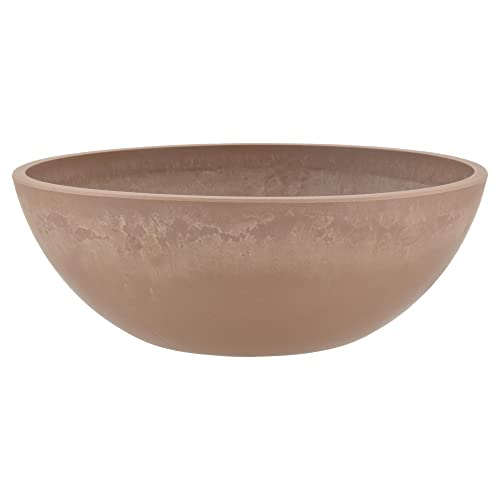
The M30TP is a 12-inch low bowl planter designed for shallow-rooted plants like succulents, bonsai, fairy gardens, and herbs. Like other PSW options, it’s built from a recycled plastic/stone/wood composite and is drillable for drainage. Its open, rounded profile makes it suitable for tabletop display or entryway plant arrangements. Best for compact ensembles, rock gardens, and modern interiors where space is at a premium.
Who this is best for: buyers who want a compact but stylish large pot, especially for vertical interest or tabletop displays. It’s a strong choice for creating layered plant scenes or accenting entryways with greens and small ornamentals. Caution: is shallow by design, so avoid deep-rooted species that require more soil depth unless paired with a taller companion pot.
Why this pick: its shallow depth reduces weight and makes it easier to move, while still offering a generous planting surface. The drillable feature remains a constant benefit for controlled irrigation in dry climates or indoor settings.
Ecopots Oslo Durable Round Planter, 10″

The Ecopots Oslo is a robust 10-inch round planter made from recycled-based composite. It’s designed for both indoor and outdoor use, with frost resistance, UV resistance, and color fastness to maintain its look across seasons. It includes a drainage hole and a plug for moisture management. This model suits buyers who want a low-maintenance option that blends a modern aesthetic with practical irrigation control. Best for medium-sized pots in patios, balconies, or interiors where year-round exposure is expected.
Who this is best for: shoppers who value a durable, weather-ready pot with an elegant, stone-like texture. The drainage hole and plug provide flexibility for varying plant needs, from tropical foliage to herbs and flowering plants. Limitation: while frost-resistant, very extreme winter environments may still require winter protection or indoor staging.
Why this pick: the premium finish and practical water management support steady plant growth while preserving a contemporary look. It pairs well with a variety of plant palettes—from ornamental grasses to trailing vines.
Veradek Demi Series Round Planter: Tall, Modern

The Veradek Demi Series delivers a durable plastic-stone composite with a subtle textured finish designed for all-weather resilience. This 11″ diameter, 12″ tall planter is ideal for tall plants, grasses, or striking arrangements that require vertical presence on porches and patios. It comes with pre-drilled drainage holes to simplify setup, making it a practical option for busy spaces. Best for modern outdoor corners or entrances where a sculptural touch is desired.
Who this is best for: buyers seeking a sleek, lightweight, all-season pot that supports tall plant focal points without heavy lifting. The compact footprint makes it an excellent choice for balconies or narrow garden beds. Limitation: small footprint means it’s not ideal for very large root systems or wide specimens.
Buying Guide: Large Composite Pots
What material matters?
Composite pots blend recycled plastics, stone powder, and wood fibers to create sturdy, weather-resistant planters. They’re lighter than solid stone while offering a premium look. Look for frost resistance, UV stability, and color-fast finishes for year-round outdoor use.
Drainage: drillable vs. pre-drilled
Drillable options give you moisture control tailored to your plant mix, especially in indoor spaces or climates with irregular rainfall. Pre-drilled versions simplify setup and reduce DIY effort, but you’ll want to ensure the drainage design matches your plant’s needs and the site’s moisture patterns.
Size and rooting space
Large pots should match the root depth of target plants. For trees and lush specimens, choose deeper models (8–11 inches or more of soil depth) with wide openings for root expansion. For shallow-rooted plants, bowl-style designs are aesthetically pleasing and practical.
Aesthetics and durability
Texture options (ribbed, smooth, stone-like) influence visual impact. If you’re indoor, consider a finish that complements furniture and flooring. Outdoors, ensure the finish resists fading and weathering while maintaining a clean silhouette against foliage.
Placement and safety considerations
Heavier pots offer stability on windy balconies; lighter ones are easier to move for seasonal changes. Consider saucers or planting platforms to protect decks and floors from water damage and stains.
Frequently Asked Questions
- Do composite pots require drainage? Most do not come with holes by default, but many are drillable or include drainage holes with plugs, allowing customized watering control.
- Are these pots suitable for outdoor use in winter? Yes, many are designed for frost resistance, but check the specific model for extreme climate suitability and consider winter protection for best results.
- Which pot is best for tall plants? Tall, narrow forms like the Veradek Demi Series or the Autodaya tall planters provide vertical presence and stability for tall specimens.
- Which is best for indoor display? A lighter, drillable composite with a clean, modern finish—such as the Ecopots Oslo or Veradek Demi Series—works well for interior design schemes.
- What should I consider for root health? Ensure soil depth supports the target plant’s root system; deeper pots help with trees and large perennials, while shallow bowls suit succulents and ornamentals with shallow roots.
- Can I mix different textures? Yes—contrasting textures (ribbed vs. smooth) create visual interest when grouped with complementary foliage.