Answer: Use durable wooden edging to create clean, natural boundaries for lawns, flower beds, and pathways. This collection highlights five solid options that balance style, longevity, and ease of installation for different yard layouts. Best for DIY homeowners, small gardens, and larger landscape projects alike, these selections help you define spaces with a warm, organic look while keeping mulch, soil, and gravel neatly contained. The table below compares the top picks to help you choose quickly.
| Product | Best For | Why It Stands Out | Caution |
|---|---|---|---|
| Eco-Green Wood Products | Flexible, custom shapes for creative borders | Flexible edging with a snap-in connector pin for any length | May require occasional maintenance for extreme weather |
| Mulctun | Structured borders in small-to-medium beds | Sturdy fir wood with easy joining; four packs and nails included | Limited height at 5.9 inches |
| Biubee | Low-profile, durable borders for lawns and paths | Carbonized pine with weather resistance and flexible layout | Shorter maximum height; needs careful alignment in curves |
| Wieghda | Rustic, decorative borders for defined garden edges | Burnt wood finish; three sections total 12 feet | Surface finish may fade with heavy sun exposure |
| FOREVER BAMBOO (Backyard X-Scapes) | Natural log look for large borders and dramatic outlines | Natural eucalyptus solid-log design; robust and rotting-resistant | Heavier to handle and install than lighter edging |
Eco-Green Flexible Lawn Border Edging
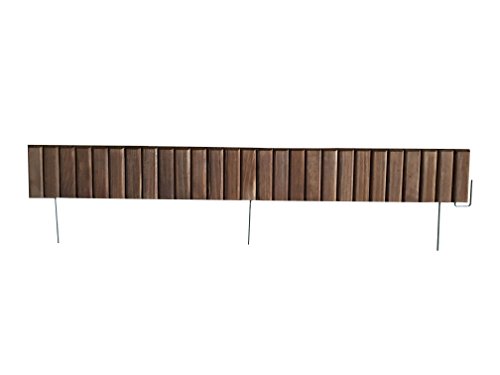
The Eco-Green border is designed for creative, flowing layouts. Its flexible material and a unique connector pin enable long, seamless runs without visible gaps. This edging is ideal for flower beds, garden borders, and walkways where a soft, natural silhouette is desired. It suits DIYers who want to craft custom curves and irregular shapes rather than rigid, straight lines. Best for garden designers who value ease of installation and the option to reconfigure borders as plantings evolve.
Who it’s best for: homeowners seeking flexible edging that can be shaped to fit irregular bed outlines without specialized tools. Why selected: flexibility and DIY-friendly setup make this a top choice for organic borders. Caution: extreme weather or heavy ground shifts may loosen connectors over time, requiring occasional reseating.
Mulctun Wood Garden Edging (4 Packs)

Mulctun edging emphasizes structured borders with a simple, modular design. Each pack includes four U-shaped nails, and the boards are 5.9 inches high and 47 inches long, allowing you to build clear divisions for small beds or path edges. The fir wood uses a carbonization process for enhanced durability in outdoor conditions. This option is well-suited for gardeners who want a sturdy edge that can be joined to accommodate straight lines or simple curves.
Who it’s best for: those who want a dependable, easy-to-install border with included mounting nails. Why selected: durable, weather-treated wood and the ability to form distinct, tidy borders. Caution: higher-contrast wood tones may darken or lighten with sun exposure, affecting color uniformity over time.
Biubee 9.6ft Landscape Edging

Biubee’s edging features refined carbonized pine and a thick board designed for durability and weather resistance. It comes in a 9.6-foot length with a 3.9-inch height that provides a low-profile look, making it a good choice where edging should blend into the scene rather than dominate it. The reinforced, coated build reduces carbon residue on hands and keeps the border looking clean over time. Best for lawn borders and pathways where a subtle, tidy line is preferred.
Who it’s best for: homeowners who want a sturdy, low-profile border that blends with natural surroundings. Why selected: balance of durability and a discreet profile. Caution: when bending for curves, ensure gradual transitions to prevent kinks or gaps in longer straight runs.
Wieghda Garden Wooden Fence Edging

Wieghda offers a rustic, burnt-finish edging comprised of three sections totaling 12 feet. The burnt wood look adds a decorative touch that complements natural-toned landscapes while providing a defined border for beds, trees, and pathways. The three-section design helps you tailor the length by adjusting where each section ends. This option is well-suited for those who want a visually distinct border with a warm, natural patina.
Who it’s best for: designers aiming for a rustic or traditional garden aesthetic with clear delineation. Why selected: decorative burnt finish combined with modular sections. Caution: the finish may fade with prolonged sun exposure; consider re-finishing or sealing to maintain color over time.
Backyard X-Scapes Natural Eucalyptus Log Border
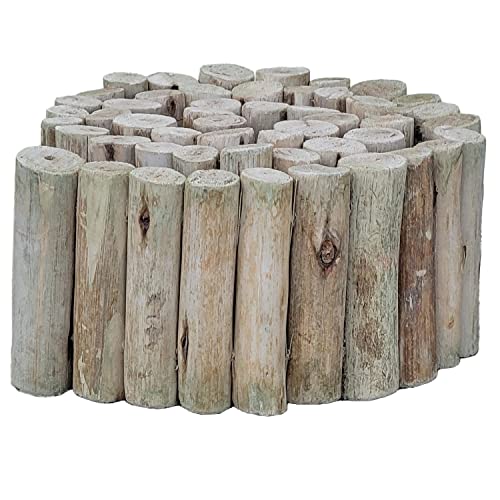
This edging uses natural eucalyptus solid-logs to create garden borders with a robust, rustic character. The logs are designed to resist rot longer than many competing options, offering a durable, dramatic look for expansive borders. It’s particularly suitable for larger landscapes where a bold, natural border makes a statement. Its longer length reduces the number of joints in big projects.
Who it’s best for: large yards and landscapes seeking a distinctive, natural log border. Why selected: strong rot resistance and a substantial, eye-catching presence. Caution: heavier material can be more challenging to install without help or proper tools.
Buying Guide
What to consider when choosing landscape edging:
- Material and durability: Carbonized pine, fir, eucalyptus, and natural logs all offer different levels of weather resistance. Consider your climate to select a material that resists rot, cracking, and warping.
- Height and length: Taller borders help with heavier soil and mulch containment, while lower borders blend with lawn edges. Measure your beds to decide the best size and number of sections needed.
- Flexibility vs. rigidity: Flexible edging suits curved beds and organic shapes; rigid or modular options work well for straight lines and precise borders. Your bed shapes should guide the choice.
- Installation effort: Some products arrive with stakes or nails, while others rely on embedded connectors or simple placement. Assess whether you need nails, connectors, or minimal tools for installation.
- Maintenance and appearance: Finishes like burnt wood or natural logs create distinctive looks but may require sealing or occasional refinishing to preserve color and texture.
Frequently Asked Questions
- What edging is easiest for beginners?
Flexible edging with simple connectors and minimal tools tends to be easiest for first-time installers, as it allows quick shaping and fewer precise cuts.
- How long does landscape edging typically last?
Durability varies by material and climate. Carbonized woods and eucalyptus logs are designed for outdoor use and typically withstand weather well, while some finishes may fade with sun exposure.
- Can edging help with weed control in beds?
Yes, edging creates a physical barrier that helps reduce soil migration and keeps mulch in place, contributing to neater borders and reduced weed spread along edges.
- Should edging be installed flush with soil or set above?
Most edging should sit flush with the soil surface to maintain a clean line and prevent tripping hazards. Some designs can be set slightly above grade for a decorative effect.
- Is it better to buy multiple shorter pieces or a single long piece?
Shorter pieces are easier to transport and install in tight spaces or curves; long pieces reduce joints in expansive borders but may require more planning during installation.