Answering the common buyer question: which landscape rock and pebble options best fit your project, climate, and budget? This guide highlights five top options ideal for gardens, pathways, patios, and containers. It covers rock sizes, colors, durability, and ease of installation, helping you choose by use case—whether you need ground cover, decorative accents, or practical drainage support. The selections are suited for DIY landscapers, homeowners updating a yard, or professionals seeking reliable natural stone options.
| Product | Best For | Size / Color | Notes |
|---|---|---|---|
| Southwest Boulder & Stone Landscape Rock and Pebble (Brown, 1/2 Inch) | General ground cover, planting beds | 1/2 inch, Southwest Brown | Natural look, economical, safe for most applications |
| Southwest Boulder & Stone Landscape Rock and Pebble (California Gold, 3/8 Inch) | Color pop for edging and borders | 3/8 inch, California Gold | Bright, natural shade; easy to install |
| FANTIAN 20 lbs Natural River Rocks (2-3 Inch) | Walkways and decorative areas | 2-3 inches, mixed colors | Natural, smooth, non-toxic; larger size for visibility |
| LF Inc. 50 Lb Premium Mixed Mexican Beach Pebbles (3-5 Inches) | Paths, ponds, borders | 3-5 inches, mixed colors | Handpicked and natural; good coverage |
| Mulctun 45Lb Natural White Rocks (1/4″-3/4″) | Pot displays, bright accents | 1/4″-3/4″, white | Polished edges; aesthetically versatile |
Southwest Boulder & Stone Landscape Rock and Pebble (Brown, 1/2 Inch)

Best for affordable, natural-looking ground cover in planting beds, around pathways, and in decorative containers. The 1/2 inch size blends well with mid-sized plants and provides a cohesive backdrop for greenery. This option is valued for easy installation and a natural finish that complements most garden styles. It’s suitable for low-traffic areas and for quick drainage improvements.
Who this is best for: homeowners seeking a simple, budget-friendly stone mulch with a natural appearance; DIY landscapers updating garden borders or potted plant displays.
Caution: very small stones can migrate into mulch or soil in windy conditions; consider edging to keep materials in place.
Southwest Boulder & Stone Landscape Rock and Pebble (California Gold, 3/8 Inch)

Best for edging, borders, and light drainage projects where a brighter, sun-kissed color is desired. The 3/8 inch size offers a refined, uniform look suitable for decorative pathways, planters, and container gardens. The California Gold color adds warmth to modern or Mediterranean-inspired landscapes.
Who this is best for: homeowners wanting a cheery accent color that enhances plant textures without overpowering them; those installing decorative borders or mulch substitutes.
Caution: lighter-toned stones may show dirt and dust more readily; periodic rinsing helps maintain vibrant color.
FANTIAN Natural River Rocks (2-3 Inch)
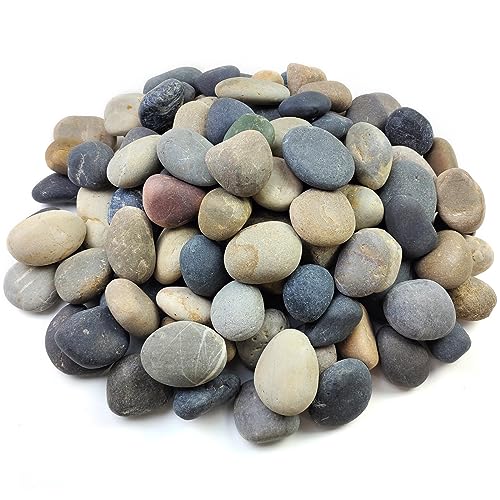
Best for standout decorative features and larger-scale landscape installations. The 2-3 inch size provides bold texture and visible color variation, ideal for creating natural-looking rock borders or stepping-stone accents in walkways. Rocks arrive clean and ready for placement, with a mix of colors that enhances natural outdoor spaces.
Who this is best for: those designing focal rock features, larger planters, or dry creek bed aesthetics where larger stones are desired.
Caution: heavier stones require more lifting and placement effort; ensure stable ground or edging to prevent movement on slopes.
LF Inc. Premium Mixed Mexican Beach Pebbles (3-5 Inches)
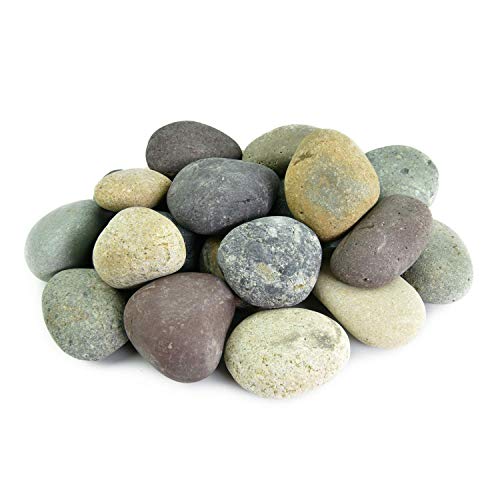
Best for pathways, surrounding water features, and larger landscape accents. The 3-5 inch size provides a strong, natural look with substantial visual impact. Handpicked from beach deposits, these pebbles offer varied color and texture, contributing to a rugged, drought-tolerant aesthetic in dry landscapes.
Who this is best for: owners seeking a durable, high-contrast boundary or border material with natural variation that ages gracefully in sunlight.
Caution: larger stones may take more effort to cover areas evenly; plan spacing and edging accordingly.
Buying Guide
What size should you choose?
Smaller stones (1/4 to 1/2 inch) work well as ground cover around delicate plants and for weed suppression in low-traffic beds. Medium sizes (3/8 to 3/4 inch) offer a balanced look for general mulch alternatives. Larger pebbles (2-5 inches) are best for focal features, borders, and decorative accents where visibility matters.
Color and texture considerations
Natural stones come in a range of browns, golds, whites, and mixed tones. Lighter colors brighten shaded areas and reflect heat, while darker hues hide dirt more effectively. Choose a color that complements your plants and hardscape (pavers, mulch, or concrete). Texture varies from smooth to lightly rough; smoother textures are easier to clean and maintain.
Durability and maintenance
Most landscape rocks are durable and require minimal maintenance. Consider weather conditions in your area; windy sites may need edging to prevent material migration. For play areas or high-traffic zones, larger, heavier stones reduce displacement and movement.
Installation tips
Prepare a stable bed with a weed barrier or landscape fabric if desired. Use edging to keep rocks in boundaries. Rinse newly installed stones to remove dust. For white or light stones, periodic cleaning can maintain their brightness. For decorative streams or water features, ensure proper bedding and consider using weather-rated glues or stabilizers where appropriate (see product safety guidelines for each item).
Cost and coverage expectations
Smaller gravels are usually more cost-effective and cover larger areas quickly. Larger pebbles tend to cost more per bag but create a stronger visual statement and may require fewer pieces to achieve the same look. Calculate area coverage by the product’s bag weight and recommended depth to estimate material needs accurately.
Environmental and safety notes
Choose natural, non-toxic materials for plant beds and children-adjacent spaces. If you have pets, verify that any glues or stabilizers used with stones are pet-safe and approved for outdoor use. Recyclable or reusable stones reduce waste and support sustainable landscaping practices.
Practical questions
- Which rock size is best for weed suppression in raised pots? – Smaller sizes (1/4-1/2 inch) provide dense coverage and reduce weed growth when layered properly.
- Can I mix different stone colors? – Yes, mixed colors create natural, varied textures that mimic real landscapes.
- Are light-colored rocks suitable for drought-prone areas? – Yes; they reflect sunlight and can help keep surrounding soil cooler, which may reduce water loss.
- Do stones affect plant growth? – Stones primarily act as mulch and drainage aids; they don’t feed plants but can help regulate soil moisture when used correctly.
- What’s the best way to maintain a rock border? – Use edging, occasional rinsing to remove dust, and refresh toppings as needed to maintain a uniform appearance.
FAQ
- What size stone is easiest to install for a beginner? – 3/8 to 1/2 inch stones offer a good balance of appearance and ease of handling.
- Which stone color looks most natural in a desert landscape? – California Gold and mixed Mexican beach pebbles provide warm, earthy tones that complement dry settings.
- Do landscape rocks need maintenance beyond rinsing? – Generally no; occasional leveling and topping up material keeps a uniform look.
- Can I use rocks around plant bases? – Yes, but ensure proper drainage and avoid piling rocks directly against the plant stem to prevent rot.
- Are these rocks safe for pets? – Most natural stones are non-toxic; use pet-safe adhesives or stabilizers if used in areas with pets.