This guide highlights top ladybug options for natural pest control, focusing on live releases and ready-to-use solutions. Learn which products suit patios, gardens, classrooms, and indoor spaces, and compare what each brings in terms of release ease, prey targets, and delivery methods. All selections emphasize non-chemical, biology-based pest management.
Summary of selected products:
| Product | Brand | Type | Key Benefit | Amazon Link |
|---|---|---|---|---|
| Natures Good Guys 1500 Live Ladybugs | NaturesGoodGuys | Live Ladybugs | Guaranteed live delivery; educational release tips | Link |
| Kate’s Home & Garden Peppermint Oil Spray | Kate’s Home & Garden | Natural bug spray | Indoor/outdoor repellent with peppermint and cedar oils | Link |
| Buddy Bugs 1500 Pre-Fed Live Ladybugs | Buddy Bugs | Pre-fed live ladybugs | Simple release for aphid control | Link |
| Boxelder Bug & Asian Lady Beetle Spray | ECOPEST | Natural spray | All-natural, non-toxic pest control for small spaces | Link |
| 300 Live Ladybugs – Good Bugs | NaturesGoodGuys | Live Ladybugs | Pre-fed, classroom-friendly or small yard use | Link |
Natures Good Guys 1500 Live Ladybugs

Nature’s Good Guys 1500 Live Ladybugs offer a large, ready-to-release population of Hippodamia convergens. These ladybugs are typical garden predators that feed on a broad range of slow-moving pests such as aphids, whiteflies, mites, mealybugs, and thrips. The product includes an educational sheet with release tips, rates, and FAQs, plus storage guidance—refrigeration can extend shelf life up to two weeks. This option suits homeowners and educators seeking a straightforward biological control approach for outdoor spaces and mixed landscapes. Release strategy can be scaled for small beds or larger plots, supporting integrated pest management without synthetic chemicals.
Key features include guaranteed live delivery, practical release guidance, and broad pest targeting. When releasing, consider environmental conditions, timing with pest life cycles, and staggered releases to maintain predation pressure. The educational material enhances understanding and safe handling for households or classrooms. For best results, pair with monitoring for aphid spikes and supplemental habitat if needed to sustain beneficial insect activity.
Kate’s Home & Garden Peppermint Oil Spray

This natural peppermint oil spray is designed as an indoor/outdoor repellent combining peppermint and cedarwood oils. It targets a broad spectrum of pests including ants, spiders, stink bugs, roaches, and even occasional small mammals. The minty aroma acts as a deterrent, helping to keep households and gardens free of crawling insects and nuisance critters. While not a direct predator release, it complements biological control by reducing pest pressure and making habitats less attractive to invaders. The spray is described as pet-safe and child-conscious when used as directed, and it can help protect surfaces without staining in many cases.
Considerations for use include surface safety, scent tolerance, and frequency of application based on pest pressure. It can be a convenient first line of defense in kitchens, basements, or greenhouses, potentially reducing the need for harsher chemical sprays. For best results, combine with monitoring and habitat management to sustain beneficial insects like ladybugs.
Buddy Bugs 1500 Pre-Fed Live Ladybugs

Buddy Bugs 1500 Pre-Fed Live Ladybugs provide a ready-to-release population designed for immediate aphid and pest suppression in outdoor gardens. Pre-fed by the supplier, these ladybugs are prepared to pursue common garden offenders like aphids, mites, scale insects, and whiteflies. The packaging is typically simple to open, allowing a quick release where pests are most active. This option suits gardeners seeking a hassle-free introduction of beneficial insects with minimal setup, ideal for larger plots or school garden projects that require a dependable pop of natural predation.
Practical considerations involve release timing (cooler mornings or evenings are often best), distribution across affected zones, and follow-up checks to ensure the population becomes established. Pair releases with ongoing monitoring and, if needed, additional small releases to maintain pressure on pest populations over several weeks.
300 Live Ladybugs – Good Bugs

This package provides 300 live ladybugs, pre-fed and ready for release, suitable for smaller yards or classroom events. The product highlights the same general predator role, targeting a variety of slow-moving pests such as aphids, moth eggs, mites, scales, thrips, and whiteflies. For educational or demonstration purposes, this option offers a compact introduction to ecological pest management and can be deployed quickly to demonstrate natural pest control in action. The smaller quantity can be ideal for beginners or limited-space applications.
Recommendations include distributing across affected plants, avoiding direct sun on release sites, and keeping released insects in move-friendly microhabitats like leafy perches and flowering plants to sustain their activity. As with larger orders, follow-up monitoring helps assess efficacy and guides potential future releases.
1500 Pre-Fed Live Ladybugs For Aphid Control
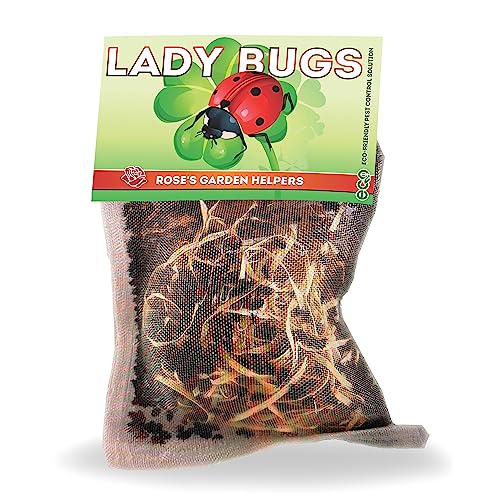
This 1500-count option is targeted for aphid control in outdoor spaces, featuring pre-fed Hippodamia convergens. It combines suitability for home gardens, greenhouses, and larger landscapes with flexibility across various sizes of plantings. Beneficial insects like ladybugs help reduce aphid populations naturally, supporting plant health and reducing the need for chemical interventions. The mesh-bag presentation often aids in humane release and gradual dispersal into the ecosystem.
Key considerations include release timing to align with aphid outbreaks, site selection to maximize predation, and ongoing monitoring to confirm establishment. Consider integrating habitat-friendly practices, such as flowering plants that provide nectar and pollen, to sustain ladybug populations beyond initial releases.
Buying Guide: Key Purchase Considerations And Comparisons
- Release readiness and handling: Pre-fed live ladybugs are ready to release, saving time and reducing handling stress. Bulk options may require more setup, but can cover larger areas more cost-effectively.
- Pest targets and efficacy: Ladybugs primarily target aphids, mites, whiteflies, and other soft-bodied pests. For robust outbreaks, combine releases with monitoring and adaptive timing.
- Environment and space: Outdoor gardens, greenhouses, and patios benefit from larger orders. Indoor spaces may respond better to targeted sprays or supplemental deterrents rather than large releases.
- Non-chemical integration: These products support integrated pest management (IPM) by using natural predation. Pair with habitat enhancements, such as nectar-prorich flowering plants, to sustain populations.
- Safety and handling: Live insects require appropriate storage and release conditions. Educational materials accompanying some products can aid in safe handling and use in classrooms or homes.
- Scented sprays vs. live releases: Sprays like peppermint oil deter pests and can complement live-release strategies but do not replace predation. Consider a combined approach for multi-front control.
- Longevity and monitoring: Ladybug populations may fluctuate with weather and food supply. Plan for follow-up releases if aphid pressures persist across pest seasons.
- Budget vs. area: Larger gardens or farms may justify higher-volume orders to ensure broader predation coverage, whereas smaller spaces may be well-served by 1500-count or 300-count options.