Karl Foerster ornamental grasses are renowned for their tall, graceful plumes and reliable performance. This guide highlights five highly compatible varieties available on Amazon, ideal for creating vertical interest, texture, and movement in American gardens. Each selection brings distinct color shifts, hardiness, and soil preferences to suit a range of landscapes. Explore these options to elevate borders, water features, and naturalistic plantings with the timeless appeal of Karl Foerster grasses.
Summary of Selected Products
| Product | Brand | Key Features | USDA Zones |
|---|---|---|---|
| Calamagrostis a. ‘Karl Foerster’ Feather Reed Ornamental Grass | Perennial Farm Marketplace Store | Tall golden spikes, 4–5 ft bloom, adaptable to sun/shade | 4–9 |
| Karl Foerster Feather Reed Grass – 4″ Pot | Hirt’s Gardens Store | Becomes 60–72 inches tall, year-round hardiness | 4–9 |
| Feather Reed Grass Karl Foerster (10 Live Plants) | Florida Foliage Store | Reaches golden plumes; versatile, drought-tolerant | 4–9 |
| Feather Reed Grass Karl Foerster Calamagrostis 4 Inch | Stargazer Perennials Store | Compact 4″ pot; drought tolerant | 4–9 |
| Daylily Nursery 5 Karl Foerster Feather Grass | Daylily Nursery Store | Multiple pots; caution during extreme weather | 4–9 |
Perennial Farm Marketplace Calamagrostis a. ‘Karl Foerster’ (Feather Reed) Ornamental Grass
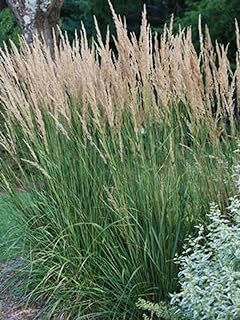
Hardy in USDA zones 4-9. This variety is valued for its tall, slender flower spikes that rise 4–5 feet above arching foliage in May and June. It tolerates some shade but performs best in moist, well-drained soil in full sun. Plant 30 inches apart for natural clumping while showcasing the golden plumes. The 18–24 inch foliage forms an elegant base suitable for pairing with woodies and perennials.
Karl Foerster Feather Reed Grass – 4″ Pot
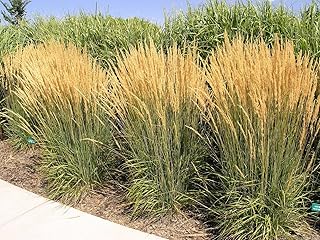
Flowers turn a rich tawny color by late summer. Suitable for USDA zones 4–9, with a mature height of roughly 60–72 inches. This compact, upright grass provides a strong vertical accent in mixed borders, near water features, or as a backdrop for flowering perennials. It blends well with other grasses and prefers full sun to maintain the best color and form.
Feather Reed Grass Karl Foerster | 10 Live Plants

Emerges with reddish-brown spring stalks that mature to golden plumes in fall. This tall ornamental grass thrives in wet soils yet tolerates drier conditions once established. It offers excellent vertical definition and is suitable for naturalistic or prairie garden styles. Plant in groups to create a striking wind-swept effect, or use as a formal edge in tall grass borders.
Feather Reed Grass Karl Foerster Calamagrostis 4 Inch Container

Compact 4 inch container stock with drought tolerance. Ideal for limited-space gardens, container plantings, or as a border specimen along pathways. With proper sun and moisture, it can provide year-round structure and seasonal color, transitioning from reddish-brown to golden plumes in late summer.
Daylily Nursery 5 Karl Foerster Feather Grass

Five pots of Karl Foerster feather grass designed for quick installation in larger landscapes or mixed borders. Use caution during extreme weather, particularly very hot or freezing conditions that can affect transplant success. The optimal planting period is mid to late spring, avoiding hard frost, with careful watering to establish a strong root system.
Buying Guide: Karl Foerster Ornamental Grasses
- Hardiness and zones: Most selections cover USDA zones 4–9, offering resilience across much of the continental United States.
- Sun and soil needs: Full sun delivers best color and height; ensure well-drained soil for optimal performance. Some varieties tolerate partial shade.
- Height and flowering: Expect vertical accents from 4–5 feet, with plumes appearing in late spring to early summer and turning golden by late summer.
- Water and drought tolerance: Many Calamagrostis cultivars prefer regular moisture but establish drought tolerance once mature.
- Planting strategy: Space plants approximately 18–30 inches apart depending on mature size; group for massing or use as accents in borders, containers, or near water features.
- Maintenance: Cut back dead growth in late winter or early spring to encourage fresh growth and plumes. Fertilization is typically light; avoid overfeeding.
- Ecological considerations: Feather reeds provide habitat for beneficial insects; avoid overly aggressive pruning that damages emerging shoots.
- Compatibility: Pair with woody plants, perennials, and other grasses for texture contrast and seasonal color shifts.