Johnny Jump Up, a beloved viola variety, delivers cheerful blooms across seasons. This article highlights five proven perennial-ready options to help you choose seeds that suit borders, containers, and pollinator-friendly landscapes. Each pick emphasizes easy growth, color variety, and reliable performance in common American gardens.
| Product | Highlights | Ideal For |
|---|---|---|
| Outsidepride Johnny Jump Up Viola Wild Flower Seeds | Vibrant color mix, compact 6–8 inches, hardy perennial | Borders, containers, hanging baskets |
| Seed Needs Johnny Jump Up Seeds | Open-pollinated, edible flowers, historic appeal | Butterfly gardens, edible garnish beds |
| Johnny Jump Up Seeds, 10000+ Perennial Wild Violet Seeds | High germination, long-lived perennial, US-grown | Pollinator beds, large plantings |
| Johnny Jump Ups Viola – Perennial Seeds | Compact package, multiple colors | Small spaces, window boxes |
| Johnny Jump Ups- 100 Seeds | Bright, tri-color blooms, spring to fall | Starter plots, seasonal color |
Outsidepride Johnny Jump Up Viola Wild Flower Seeds
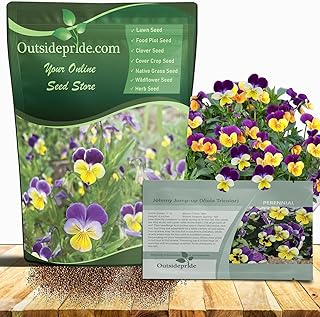
These seeds offer a colorful bloom mix that carries beauty from spring through fall, delivering steady color across seasons. The violas reach a compact height of 6 to 8 inches, making them ideal for borders, containers, and hanging baskets without overwhelming surrounding plantings. They are hardy perennials suited for USDA Zones 3–9, which means reliable performance in a wide range of climates. Gardeners seeking year-after-year color with minimal upkeep will appreciate the seed mix’s versatility and resilience in varied weather conditions.
The product supports pollinators and adds charm to small spaces. Because of the compact habit, they work well in mixed combo plantings and can be easily tucked into planters or window boxes. With a broad climate tolerance and seasonal color display, these Johnny Jump Ups provide a practical seed option for gardeners aiming to brighten outdoor spaces with perennial performance.
Seed Needs Johnny Jump Up Seeds for Planting Violas

This option emphasizes historical appeal and practical uses. Johnny Jump Up flowers typically display a tri-color pattern—purple, yellow, and white or light violet—with a distinctive “face” resembling pansies. The seeds align with edible and herbal traditions, as the blooms are edible and have been used for garnish in salads and desserts. The heirloom, open-pollinated nature supports seed-saving and genetic diversity, making it appealing for gardeners who favor traditional varieties and butterfly-friendly landscapes.
In addition to ornamental value, these flowers have a documented historical link to folklore and medicinal uses. Their attractiveness to pollinators is a practical benefit for home pollinator gardens. Growth requires well-drained soil and regular moisture, with germination typically occurring after sowing the seeds in suitable conditions. This option blends aesthetic appeal with a nod to edible and historic garden traditions.
Johnny Jump Up Seeds, 10000+ Perennial Wild Violet Seeds

These perennial seeds are designed for year-after-year color and robust garden performance. They claim high germination with seeds sourced from the USA, and plants that mature into a sea of blossoms in sunlit gardens. Zones 6–10 are highlighted, indicating strong performance in a broad U.S. climate range. The description emphasizes easy growing from loosely prepared, well-drained soils, with germination typically in 7–10 days. Once established, these perennials reward gardeners with vibrant, long-lasting color across seasons.
The product promotes minimal maintenance after establishment, making it suitable for beginners and busy gardeners alike. The emphasis on perennial stability means you can plan for recurring blooms without replanting every year. This option is particularly well-suited for pollinator-friendly beds, companion plantings, and decorative borders that benefit from steady color without frequent replanting.
Johnny Jump Ups Viola – Perennial Seeds

This option comes in a compact package, focusing on dependable perennial Viola seeds. Each package is described as containing about 400 seeds, with colors that typically include violet, blue, and gold—offering a tri-color spectrum in a manageable quantity. The perennial designation suggests strong overwintering and repeated blooming cycles in temperate climates. It’s a practical choice for gardeners who want reliable color in smaller spaces, including front borders, pots, and small garden beds.
The seed mix’s emphasis on compact, manageable numbers makes planning easier for seasonal color projects. As a perennial option, it complements other perennials and annuals, enabling layered plantings that sustain their charm from year to year. It’s particularly suitable for gardeners who value a steady supply of charm without frequent reseeding.
Johnny Jump Ups- 100 Seeds

This option highlights color diversity with a tri-color blend—lavender, violet, and canary yellow—that echoes traditional pansy-like aesthetics. The blooms appear from spring through fall, providing a long display window in garden plots, beds, and containers. While the product listing doesn’t specify a hard zone range, the long blooming period and small seed count make this a good starter choice for new gardeners or those planting mixed borders where compact, repeated color is desired.
Because of the small seed package, it’s ideal for hobby plots, balcony gardens, or test beds where gardeners want to experiment with color combinations. Regular deadheading can extend blooming, and the perennial potential makes it a sensible option for gardeners seeking enduring appeal without heavy reseeding chores.
Buying Guide
Choosing Johnny Jump Up seeds requires matching plant habit, climate, and gardening goals. Consider these perspectives to refine your choice:
- Climate and hardiness: Look for varieties labeled as hardy perennials in USDA zones that match your garden. Some options are better suited for zones 3–9, while others focus on 6–10. If you have cold winters, prioritize true perennials that reliably return in your zone.
- Bloom color and form: Johnny Jump Ups offer tri-color patterns, multi-tone blends, and classic triads. Decide whether you want bold contrast for containers or a soft palette for cottage-style borders.
- Growing conditions: Most Johnny Jump Up seeds prefer full sun to light shade and well-drained soil. They thrive in fertile, loamy or sandy soils. Ensure adequate moisture without soggy conditions, especially in containers.
- Space and layout: For small spaces, compact varieties (6–8 inches tall) fit borders and containers well. Larger garden beds benefit from higher numbers of plants to create a continuous display.
- Pollinator value: Violas are known to attract bees and other pollinators. If pollinator support is a goal, choose varieties marketed for garden attractiveness and nectar supply.
- Edible and medicinal uses: Some Johnny Jump Ups are edible and have historic herbal associations. If you plan to use blooms in salads or garnishes, confirm edible status in the product description.
- Germination and care: Many seeds germinate within 7–10 days with light exposure and light mulch. After germination, keep seedlings evenly moist and gradually introduce them to outdoor conditions to harden off before transplanting in larger beds or containers.
- Maintenance expectations: Perennial Johnny Jump Ups reduce replanting needs, but may still require occasional thinning, deadheading, and soil amendments to maintain vigor and continuous bloom.
- Seed sourcing and authenticity: Favor seeds from reputable brands that provide clear zone guidance, germination expectations, and open-pollinated or heirloom options if you prefer seed-saving potential.
In summary, your choice should balance climate compatibility, space constraints, color goals, and whether you prefer edible or purely ornamental blooms. Across the five options, gardeners gain access to a spectrum of compact perennials with strong pollinator appeal and versatile planting uses—from borders to hanging baskets to edible garnish beds.