Choosing the right spray to protect garden plants from Japanese beetles can be challenging, especially with products ranging from organic solutions to synthetic insecticides. This guide highlights five widely available options that target beetles and related pests while balancing safety for people, pets, and pollinators. Each option offers actionable, on-plant protection that fits different gardening styles—from home vegetable patches to ornamental beds. Explore practical details, ingredients, and usage tips to decide which spray aligns with your plant care goals.
| Product | Brand | Key Benefit |
|---|---|---|
| Bonide Japanese Beetle Killer Ready-to-Use Spray, 32 oz | Bonide | Contact kill; indoor/outdoor use |
| Deepthi Pure Neem Oil – 16.9 Fl Oz | Deepthi | Natural insecticide and fungicide; versatile |
| BioAdvanced 3-in-1 Insect And Mite Plant Bug Spray – 32 oz | BioAdvanced | Insect, disease, and mite control |
| Organic Insecticide For Roses & Flowers – 16oz | ARBER | EPA-registered organic pest control |
| Mighty Mint Peppermint Plant Protection Spray – 16 oz | Mighty Mint | Plant-based, safe around people and pets |
Bonide Japanese Beetle Killer Ready-to-Use Spray
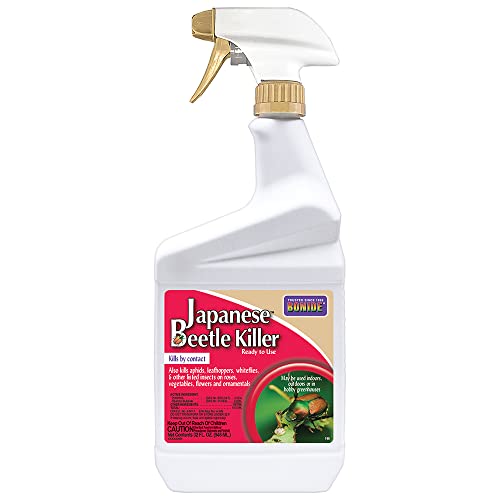
Bonide Japanese Beetle Killer Ready-to-Use Spray is designed for residential use both indoors and outdoors. It targets a broad range of pests beyond beetles, including aphids and caterpillars, with immediate contact kill. The product is positioned for vegetable gardens, ornamental plants, trees, and shrubs, offering versatile protection across garden types. Use as directed to achieve effective knockdown of beetles on contact and maintain ongoing protection when beetles are active.
Deepthi Neem Oil For Plants
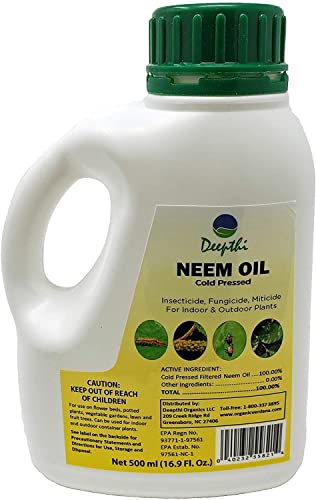
Deepthi Pure Neem Oil is a 100% pure, cold-pressed oil intended for organic pest control. It helps control pests like aphids, mites, caterpillars, whiteflies, and Japanese beetles while also providing fungicidal benefits—supporting overall plant health. The dual-action formula makes it suitable for both indoor and outdoor use, offering a natural option for growers prioritizing non-synthetic inputs. Follow label directions for dilution and application to avoid phytotoxic effects on sensitive plants.
BioAdvanced 3-in-1 Insect And Mite Plant Bug Spray

BioAdvanced 3-in-1 Insect And Mite Plant Bug Spray provides a multi-purpose approach to garden pest management. The formula targets insects, mites, and disease on roses, flowers, shrubs, and trees, delivering broad coverage and protection. This product emphasizes outdoor application and is marketed toward gardeners seeking a single spray solution that addresses multiple threats to plant health, with an emphasis on sizable coverage for larger plantings.
ARBER Organic Insecticide For Roses & Flowers

ARBER Organic Insecticide is EPA-registered and designed for eco-conscious gardens. It targets a broad spectrum of pests, including Japanese beetles on roses and flowers, while prioritizing bee safety and pollinator health when used as directed. The product emphasizes fast action with a long-lasting effect and suggests reapplication every two weeks for optimal control, making it suitable for ongoing maintenance in floral beds and ornamental plantings.
Mighty Mint Peppermint Plant Protection Spray

Mighty Mint Peppermint Plant Protection Spray uses plant-based ingredients for a pest-management option that is easy to apply and cleanup-friendly. It is marketed as safe for use around people and pets when used as directed, appealing to households seeking a natural, low-odor solution. The formula emphasizes strong repellent action against a range of garden pests, including those that are commonly found on vegetables and ornamentals, while avoiding harsh synthetic chemicals.
Buying Guide
Key considerations when choosing a beetle spray for plants include the following:
- Target pests: Confirm whether the product is effective against Japanese beetles and related beetles, as some sprays focus on broader insect control or specific pests.
- Active ingredients: Decide between synthetic knockdown formulations, plant-based oils (neem, peppermint), or organic options. Consider plant safety, toxicity, and pollinator impact.
- Indoor vs outdoor use: Some sprays are labeled for indoor use, some for outdoor, and others for both. For structural or greenhouse applications, choose accordingly.
- On-contact vs residual: Some products kill on contact, while others provide residual protection. Align with beetle feeding and life cycle patterns in your area.
- Plant compatibility: Check for phytotoxicity risks with sensitive species; test on a small section if unsure.
- Application frequency: Consider reapplication intervals to maintain control throughout beetle season.
- Safety and pollinators: If pollinators are a concern, prioritize products labeled safe for bees and beneficial insects when used as directed.
- Environmental impact: Favor eco-friendly formulations with reduced environmental and human risk where possible.
When selecting a spray, it’s helpful to match product features to your garden goals—whether you prioritize immediate knockdown, long-lasting protection, or an emphasis on organic ingredients. Always follow label directions for safe and effective use, including dilution rates, spray timing, and any required protective gear. For mixed pest pressures, a combination approach—such as an neem-based spray complemented by a targeted contact killer—can offer balanced protection with reduced chemical load.