Maintaining a healthy vegetable garden requires effective pest control to prevent damage from insects and diseases. Selecting the best insecticide for your vegetable garden can be challenging with many options available, including organic and chemical-based solutions. Below is a summary table of five top-rated insecticides designed specifically for vegetable gardens, highlighting their key features and suitability for organic or conventional gardening.
| Product | Key Features | Organic Friendly |
|---|---|---|
| Bayer Advanced Concentrate Vegetable Garden Rescue | Kills aphids, caterpillars, thrips, whiteflies; easy mix application | No |
| Garden Safe Fungicide3 with Neem Oil Extract (32 fl oz) | Fungicide + Insecticide + Miticide; controls fungal diseases & insects | Yes |
| Atticus Spliven Organic Insecticide 32 oz | OMRI listed, 0.5% spinosad; kills damaging insects in vegetables & fruits | Yes |
| Bonide Pyrethrin Garden Insect Spray Concentrate | Fast-acting pyrethrin-based insecticide; controls aphids, beetles, webworms | No |
| Organic Insecticide for Tomato, Fruits & Vegetables 16oz Ready-to-Spray | Certified organic, safe for edible plants; hose-end spray controls aphids & mites | Yes |
Bayer Advanced Vegetable Garden Rescue Concentrate

This concentrate spray by Bayer Advanced is formulated to kill insects on contact including aphids, caterpillars, thrips, tomato hornworms, and whiteflies among over 70 other listed pests. It is designed specifically for vegetable gardens, offering protection to your fruits and vegetables.
The concentrate is mixed and applied until leaves are coated but not dripping, allowing for easy application. This product is known for its versatility and effectiveness against a wide range of common garden pests, helping ensure your vegetables stay healthy and pest-free.
Garden Safe Fungicide3 Neem Oil Extract Insecticide

Garden Safe Fungicide3 combines fungicide, insecticide, and miticide properties, making it a 3-in-1 solution ideal for organic gardening. It controls fungal diseases such as black spot, rust, and powdery mildew while also targeting common insects like aphids and spider mites.
Containing neem oil extract, this product is safe for use on fruits, vegetables, flowers, and ornamental plants, providing comprehensive protection. It is particularly suitable for gardeners seeking an effective, organic method to combat both pests and diseases simultaneously.
Atticus Spliven Organic Insecticide with Spinosad

Atticus Spliven features 0.5% spinosad, the same active ingredient used in many leading organic insecticides. It is OMRI listed and approved for organic gardening, ensuring compliance with industry standards.
This product effectively controls damaging insects in vegetable gardens, lawns, and landscapes, including fruiting, leafy, and tuberous vegetables. Its broad-spectrum coverage helps maintain a healthy garden environment without synthetic chemicals.
Bonide Pyrethrin Garden Insect Spray Concentrate

This fast-acting insecticide utilizes pyrethrin, a naturally occurring compound from chrysanthemum flowers, to kill aphids, beetles, webworms, and other common garden insects. It targets the nervous system of pests for effective control.
It is suitable for a wide range of vegetables such as asparagus, beans, broccoli, peppers, and tomatoes. The biodegradable nature of pyrethrin makes it a popular choice for those seeking a potent but environmentally responsible insecticide for outdoor gardens.
Organic Insecticide for Tomato, Fruits & Vegetables Ready-to-Spray
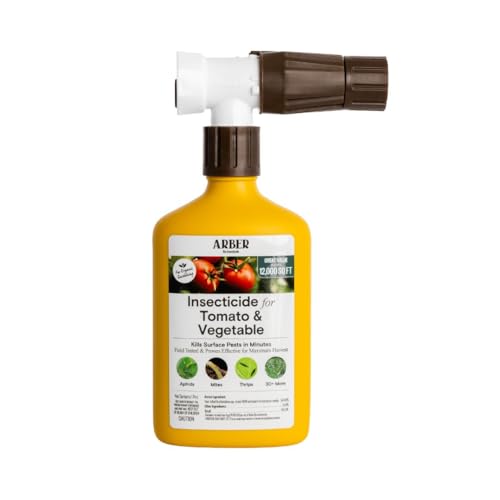
This certified organic insecticide offers safe pest control for edible plants including tomatoes, fruits, and vegetables. It eliminates aphids, mites, thrips, gnats, and whiteflies while providing immediate protection.
The product features a convenient hose-end sprayer, requiring no mixing or measuring. Safe to use with a 30-minute harvest interval, it provides an easy and effective approach for organic gardeners looking to protect their crops without chemical residues.
Buying Guide for Insecticides in Vegetable Gardens
Organic Versus Chemical Insecticides
Choosing between organic and chemical insecticides depends on your gardening preferences and goals. Organic insecticides such as spinosad-based or neem oil products are favored for their environmental safety and suitability for edible plants. Chemical insecticides often provide faster and broader pest control but may have restrictions for use on food crops.
Target Pest Spectrum
Consider which pests are most common in your garden. Some insecticides specialize in soft-bodied insects like aphids and mites, while others also control caterpillars, beetles, and worms. Products combining fungicide and miticide, like Garden Safe Fungicide3, offer protection against diseases and multiple pest types.
Application Method and Ease
Inspect the product’s application process. Concentrates require mixing and careful dilution, while ready-to-spray options or hose-end sprayers offer convenience. Proper coverage is essential to ensure effectiveness and minimize waste.
Safety and Environmental Impact
Safety is critical when treating edible plants. Look for insecticides that are certified organic or OMRI listed if you want to avoid synthetic chemicals. Biodegradable and natural-origin ingredients reduce environmental impact and risk to beneficial insects and pollinators.
Residual Effect and Speed of Action
Some products offer immediate contact kill but lack residual effect, while others continue to protect plants over several days by affecting returning pests. Consider how frequently you want to apply treatments and the duration of control needed.
Label Instructions and Compliance
Always read and follow label directions for proper use, application rates, and harvest intervals. Compliance ensures safe usage and maximizes insecticide performance while avoiding harm to your garden and yourself.