Hibiscus plants thrive when protected from pests and diseases without compromising their vibrant foliage and blossoms. The following insecticides, fungicides and multi-use sprays are designed to target common hibiscus pests such as aphids, whiteflies, mites and powdery mildew. This guide highlights five popular products, their key strengths, and how to choose the right solution for your hibiscus care routine.
Summary of Selected Products:
- BioAdvanced 3-in-1 Insect, Disease & Plant Mite Control, Ready-to-Use, 24 FL OZ
- Bonide Insecticidal Soap, 32 oz Ready-to-Use
- Earth’s Ally 3-in-1 Plant Spray 32 oz
- BioAdvanced Rose and Flower Insect Killer, Ready-to-Use, 24 oz
- BioAdvanced All-in-One Rose & Flower Plant Care, Ready-to-Use, 24 oz
BioAdvanced 3-in-1 Insect, Disease & Plant Mite Control

BioAdvanced 3-in-1 covers multiple threats hibiscus plants face: it acts as an insecticide, fungicide and miticide in one ready-to-use formula. It targets aphids, whiteflies, adult Japanese beetles and other listed pests while also tackling diseases such as black spot, powdery mildew and rust. The consolidated approach can simplify care for hibiscus that struggle with both pests and foliar diseases, helping plants stay vigorous during peak growing seasons.
Bonide Insecticidal Soap
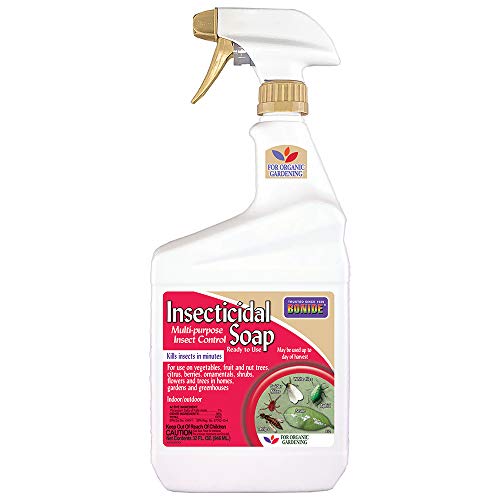
Bonide Insecticidal Soap is a direct-contact solution that helps reduce populations of aphids, whiteflies, spider mites and other common hibiscus pests. It’s designed for outdoor residential use and can be applied to ornamentals and edible plants alike. For hibiscus, this spray is most effective when pests are caught early and repeated applications are scheduled to prevent reinfestation. Direct contact and ingestion kill mechanisms help suppress active infestations on leaves and stems.
Earth’s Ally 3-in-1 Plant Spray

Earth’s Ally 3-in-1 Plant Spray combines insecticidal, miticidal and fungicidal action using a blend of botanical oils. The formulation targets soft-bodied insects like spider mites and aphids while helping prevent and control diseases such as powdery mildew and leaf spots. It’s suitable for indoor hibiscus plants and outdoor garden specimens, offering a broad-spectrum approach with a focus on safety and plant health.
BioAdvanced Rose and Flower Insect Killer

This insect killer is designed for roses and flowering ornamentals, including hibiscus. It provides quick on-contact insect control against a broad range of pests such as aphids, caterpillars and whiteflies, with protection lasting up to 14 days. The product supports flowering plant health by reducing pest pressure that can cause leaf distortion and flower damage, making it a practical option for hibiscus care routines that emphasize bloom quality.
BioAdvanced All-in-One Rose & Flower Plant Care

BioAdvanced All-in-One Rose & Flower Plant Care combines insecticide and fungicide to protect hibiscus from pests like aphids and whiteflies while suppressing diseases such as black spot and powdery mildew. The integrated spray aims to support plant vigor and bloom potential by addressing both insect and disease pressures in a single product. This is a practical option for gardeners who prefer a consolidated care routine for hibiscus in outdoor beds and containers.
Buying Guide
Key considerations when selecting a hibiscus insecticide and disease control product:
- Target pests and diseases: Identify whether your hibiscus struggles with aphids, whiteflies, mites, or fungal issues like powdery mildew. Choose products that address the primary threats.
- Mode of action: Consider contact vs. systemic products. Contact sprays kill on contact and may require reapplication, while systemic formulas provide longer protection by moving through the plant tissues.
- Plant safety and usage: Verify label guidelines for hibiscus and any nearby edibles. Some formulations are optimized for ornamentals, while others are suitable for a broader range of plants.
- Indoor vs. outdoor use: Indoor hibiscus in containers may benefit from more frequent, lighter applications, whereas outdoor hibiscus can tolerate longer intervals between treatments depending on exposure and pest pressure.
- Rotation and resistance management: To avoid pest resistance, rotate products with different active ingredients where feasible and follow label directions for application frequency.
- Combination products: Multi-use sprays (insecticide/fungicide/miticide) can simplify care but may require careful attention to timing to maximize effectiveness against both pests and diseases.
- Environmental impact: If encouraging pollinators is important, choose products labeled as lower risk to beneficial insects and apply during times when pollinators are least active.
When selecting products for hibiscus, balance immediate pest suppression with longer-term disease prevention. A 3-in-1 blend can reduce the number of applications, but ensure it provides effective control for the specific pest and disease pressures in your area. For persistent issues, integrating cultural practices—such as proper spacing, adequate airflow, and routine pruning—alongside these treatments will help hibiscus plants maintain vigor and vibrant blooms.