Choosing the right insecticidal soap helps protect roses from common pests like aphids, whiteflies, and mites without harsh chemicals. This guide highlights select ready-to-use and concentrate soaps that work well in home gardens, greenhouses, and containers. Each product is evaluated for effectiveness, safety for edible plants, and ease of use, so you can keep your roses thriving across seasons.
| Product | Brand | Form | Key Benefit |
|---|---|---|---|
| Garden Safe 32 oz | Garden Safe | Ready-to-Use | Convenient spray on all plant parts, including undersides |
| Bonide Insecticidal Soap, 32 oz | Bonide | Ready-to-Use | Broad pest control for organic gardening |
| Safer 5118-6 Insect Killing Soap | Safer | Concentrate | OMRI-listed for organic use |
| NATRIA Insecticidal Soap | Natria | Ready-to-Use | Easy application for indoor/outdoor plants |
| Bonide Captain Jack’s Insecticidal Super Soap | Bonide | Ready-to-Use | Outdoor-focused, multi-pest effectiveness |
Garden Safe 32 oz. Insecticidal Soap Ready-to-Use

Garden Safe offers a ready-to-use insecticidal soap that requires no mixing. This product is formulated for organic gardening and can be used both indoors and outdoors, including on vegetables, ornamentals, fruit trees, and flowering plants. It’s designed for contact kill, so thorough spraying to reach the undersides of leaves is essential for optimal control. It is labeled for use up to the day of harvest on edible plants, making it a versatile option for rose beds where pesticide restrictions matter. This soap is suitable for roses when pests are present but should be applied calmly and evenly to avoid plant stress.
Key features include: ready-to-use convenience, broad applicability across garden types, and safe use on edible crops up to harvest. For rose care, apply when you notice aphids or mites, ensuring full leaf surface coverage. Avoid applying during extreme heat to minimize leaf burn. Regular reapplication every 7–10 days, or as pests reappear, helps maintain pest suppression throughout the growing season.
Bonide Insecticidal Soap, 32 oz Ready-to-Use
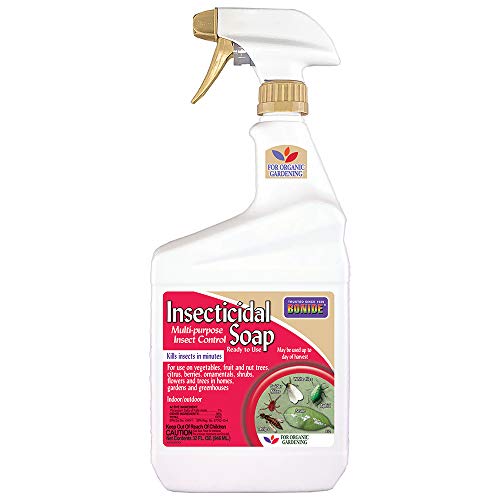
Bonide’s Insecticidal Soap is a versatile, ready-to-use spray designed for outdoor residential use in gardens, lawns, and greenhouses. It targets a wide range of soft-bodied pests that commonly afflict roses, including aphids, whiteflies, and mites, along with caterpillars and thrips. The product works through direct contact and ingestion, making it effective when insects feed on treated foliage. For rose care, apply to both upper and lower leaf surfaces, including new growth where pests often congregate. It supports organic gardening practices and can be used on numerous crops beyond roses.
Considerations include coverage, compatibility with beneficial insects, and the need for repeated applications as pest populations change. Because this soap works by disrupting cell membranes, it’s best used during mild weather and avoided on extremely hot days. Always test on a small rosette first to gauge any potential leaf sensitivity, especially on tender rose varieties.
Safer 5118-6 Insect Killing Soap Concentrate
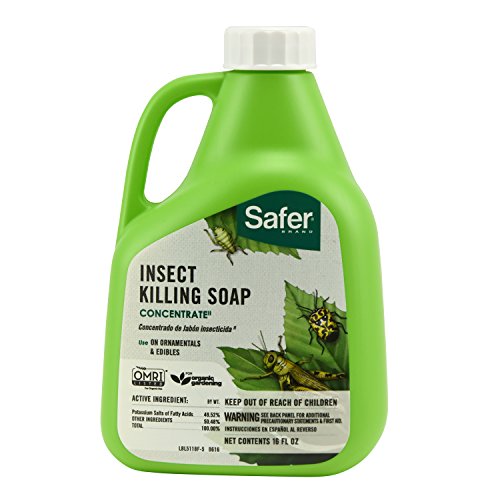
Safer’s insecticidal soap concentrate is an OMRI-listed option for organic gardening. It’s suitable for use on flowers, herbs, vegetables, houseplants, lawns, trees, and shrubs, including roses. The concentrate formulation allows you to mix according to label directions, giving flexibility in dilution based on pest severity. It kills a variety of soft-bodied pests such as aphids, whiteflies, and spider mites with contact action and is safe enough to spray throughout the growing season. Use early at first signs of damage and reapply every 5–7 days as needed until pests are under control.
Important considerations include careful mixing, proper coverage, and adherence to harvest windows for edible plants when applicable. Since it’s a concentrate, you can tailor the strength for delicate rose varieties or tougher infestations. As with any pesticide, avoid application during high heat or drought stress to protect plant tissues and ensure effective pest suppression.
NATRIA Insecticidal Soap, Ready-to-Use Garden Bug Treatment

Natria’s ready-to-use insecticidal soap targets common rose pests such as aphids, mealybugs, mites, and whiteflies. This product is designed for both indoor and outdoor use and is suitable for rosary beds, containers, and greenhouse plantings. The ready-to-use bottle simplifies application, enabling quick spot treatments or broader coverage as needed. The soap works by smothering soft-bodied insects on contact, with residual activity depending on environmental conditions. It’s a practical option for growers seeking an easy-to-apply solution with compatibility across a range of rose varieties.
Buyers should consider plant sensitivity, especially to new growth or varieties with delicate foliage. For optimum results, apply when pests are first observed and reapply every 5–7 days or as required. As with any soap, avoid spraying during the hottest part of the day and ensure thorough coverage of both leaf surfaces for effective control.
NATRIA Insecticidal Soap, Ready-to-Use Pack of 2
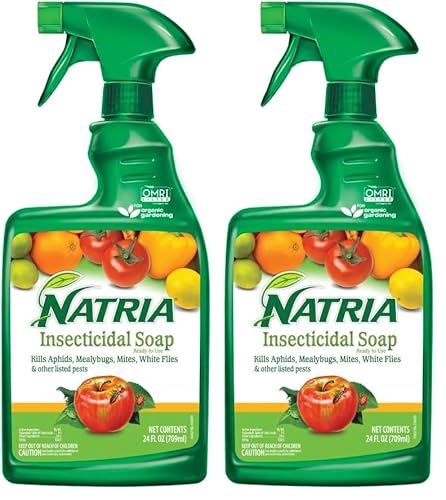
This pack of two ready-to-use bottles from Natria provides flexibility for larger rose beds or multiple containers. It’s formulated to control aphids, mealybugs, mites, whiteflies, and other listed pests, with a focus on organic gardening practices. The spray application is straightforward—just point and mist over the plant surfaces, ensuring coverage of both undersides of leaves where pests tend to hide. The product is safe for harvest on edible crops up to the day of harvest, making it suitable for balcony rose gardens and edible-border plantings alike.
When using this option, consider spray timing relative to weather conditions and plant growth stages. Avoid repeated heavy applications on hot afternoons to reduce leaf burn risk. For best results, target pest hotspots, especially on tender new growth, and reapply as pests reappear or as part of a routine seasonal spray schedule.
Bonide Insecticidal Soap, 32 oz Ready-to-Use Spray For Outdoor Plants (Pack of 2)

This Bonide product is a two-pack ready-to-use spray designed for outdoor gardens, lawns, and ornamental plantings. It targets a broad spectrum of pests including adelgids, aphids, borers, caterpillars, spider mites, thrips, and more. For roses, this soap can be applied to protect foliage and blooms from feeding and leaf-surface pests. It works via direct contact and ingestion, so thorough coverage is essential, particularly on the undersides of leaves. It’s compatible with standard organic gardening practices and suitable for use around many garden crops.
Key considerations for a rose–focused strategy include spray timing to maximize pest contact without stressing plants, avoiding application during peak heat, and providing repeat treatments as pest populations shift. The two-pack format helps maintain a ready supply for ongoing rose care throughout the season and provides a cost-effective approach for larger planting areas.
Buying Guide: Key Purchase Considerations
- Pest types and life stage: Soft-bodied pests (aphids, whiteflies, mites) respond well to insecticidal soaps, particularly during early infestation stages. Some listings specify suitability for a broader pest range; review pest targets to match your roses’ needs.
- Formulation and dilution: Ready-to-use options are convenient, while concentrates allow dilution for larger areas or multiple applications. Dilution rates must follow label directions to ensure efficacy and plant safety.
- Plant safety and harvest windows: Many soaps are labeled for use up to the day of harvest on edible plants. For roses, this is less critical, but consider leaf sensitivity and potential phytotoxicity, especially on new growth or tender cultivars.
- Environmental conditions: Apply during mild temperatures and dry conditions to maximize coverage and minimize leaf burn. Avoid sun-filled, windy, or very hot days.
- Integrated pest management: Insecticidal soaps are best used as part of an IPM approach—rotate with other control methods, monitor pest populations, and use beneficials where appropriate to maintain a balanced garden ecosystem.
- Safety and labeling: Always read the product label for specific instructions, ratios, reentry intervals, and restrictions on ornamental or edible crops. Organic certifications (OMRI) can influence usage in organic gardens.
Overall, the combination of ready-to-use and concentrate insecticidal soaps provides flexible options for protecting roses against common pests while adhering to organic gardening standards. For best results, select a soap with proven activity against your target pests, apply consistently, and monitor roses for new signs of trouble to adapt your approach as needed.