Indoor flowering bonsai trees bring year-round color and miniature artistry to living spaces. This guide highlights five Amazon offerings that focus on indoor-friendly flowering varieties, care needs, and decorative presentation. Each product includes a quick look at what comes in the kit, sizing, and key care tips to help you decide which bonsai best fits your home environment and maintenance preferences.
| Product | Size Range | Includes | Indoor Suitability |
|---|---|---|---|
| Brussel’s Live Dwarf Pomegranate Indoor Bonsai Tree | 8″–12″ | Decorative container, humidity tray, deco rocks, soil, care instructions | Yes |
| Brussel’s Live Barbados Cherry Bonsai Tree | Small indoor bonsai | Ceramic bonsai pot, care guide | Yes |
| DIY Bonsai Tree Kit For Beginners | Varies per seed | Seed packets, starter tools, planters | Yes |
| Brussel’s Bonsai Live Satsuki Azalea Flowering Bonsai | 5″–8″ | Ceramic pot, care guide | Yes (outdoor emphasis; can be indoor with light) |
| Brussel’s Satsuki Azalea Outdoor Bonsai Gift Set | 6″–8″ | Decorative container, humidity tray, deco rocks, fertilizer, book, soil | Primarily outdoor; limited indoor use with light |
Brussel’s Live Dwarf Pomegranate Indoor Bonsai Tree

The Dwarf Pomegranate bonsai is designed for indoor habitats, arriving 8″ to 12″ tall in a 7″ container. It includes a decorative container, humidity tray, deco rocks, and soil along with care instructions. The species features glossy, oblong leaves and bright red pomegranate flowers, with drought tolerance that suits indoor watering schedules. Proper drainage and avoiding overwatering help prevent root decay. It’s a compact option for desks, shelves, or small tabletops where year-round color is desired.
Brussel’s Bonsai Live Barbados Cherry Bonsai Tree

The Barbados Cherry bonsai is an elegant indoor option with open pink flowers and red fruit, offering a compact small-tree form. Each package includes a care guide to assist with shaping and ongoing maintenance. Planted in a ceramic bonsai pot, this tree provides visual interest and a tropical vibe. Indoor care should focus on bright, indirect light and consistent moisture without waterlogging to maintain healthy growth and flowering potential.
DIY Bonsai Tree Kit For Beginners

This beginner-friendly bonsai starter kit includes seeds for multiple tree types such as Wisteria, Delonix Regia, Jacaranda, and Pigeon Pea, along with tools and planters. It’s an educational option that emphasizes hands-on growing from seed, with a focus on indoor-friendly care once the saplings establish. Expect ongoing germination variability and longer time frames to reach visible bonsai form, making it suitable for hobbyists who enjoy a longer cultivation journey.
Brussel’s Bonsai Live Satsuki Azalea Flowering Bonsai
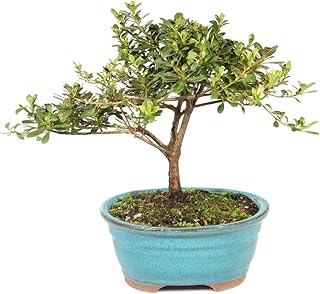
The Satsuki Azalea bonsai showcases brilliant, unscented blooms in late spring to early summer, with a low, twiggy habit that’s ideal for decorative indoor spaces or shaded outdoor areas in milder climates. A ceramic bonsai pot accompanies the plant, along with a care guide to assist beginners in shaping and nurturing the tree. For indoor display, ensure strong ambient light and a stable humidity level to support continuous flowering and a balanced growth pattern.
Brussel’s Bonsai Satsuki Azalea Outdoor Gift Set
This outdoor-oriented azalea bonsai gift set provides a robust flowering plant in a decorative ceramic pot. The kit includes a humidity tray and decorative rocks, plus a fertilizer and a reference book to support care and pruning. While designed for outdoor use, the plant can adapt to indoor spaces if provided with bright light, consistent moisture, and adequate airflow to prevent disease and promote steady blooming cycles.
Buying Guide: Key Considerations For Indoor Flowering Bonsai
- Light requirements: Most indoor flowering bonsai require bright, indirect light. Some species tolerate moderate light, but flowering intensity often correlates with light exposure. Consider placement near a window with filtered sun or supplement with grow lights.
- Watering and humidity: Indoor bonsai benefit from well-draining soil and careful watering schedules. Avoid overwatering, which can cause root rot. Humidity trays and occasional misting help maintain leaf vitality, especially in dry indoor air.
- Temperature stability: Sudden temperature shifts can stress bonsai. Maintain a consistent indoor range and protect from drafts, heating vents, and cold windows during winter.
- Soil and repotting: Bonsai soil should drain well while retaining some moisture. Periodic repotting helps refresh nutrients and soil structure; follow product-specific guidance for when to repot and which soil mix to use.
- Pruning and training: Regular light pruning encourages compact growth and flowering structure. Use appropriate bonsai tools and follow species-specific pruning guidelines to avoid over-pruning and stress.
- Indoor- vs outdoor-leaning species: Some flowering bonsai thrive indoors, others perform best with outdoors exposure. If a product leans outdoor, providing high-light indoor placement or seasonal outdoor placement can optimize blooming cycles.
- Care guides and documentation: Many kits include care guides or books. Use these resources for species-specific watering, fertilization, and pruning schedules to maximize longevity and flowering.
- Budget and maintenance commitment: Indoor bonsai can require regular attention. Consider your time availability for watering, pruning, and repositioning to maintain healthy growth and flowers.
In choosing among these options, balance your desire for color and flowering with your available light, space, and routine. Indoor flowering bonsai trees bring a compact, living piece of horticultural art to homes, offices, and studios when properly cared for and placed in optimal light conditions.