Answering your search for reliable home garden fertilizer products, this guide highlights five versatile options suitable for vegetables, ornamentals, houseplants, and lawns. Each pick is evaluated for its ideal use, application frequency, and plant types. Whether you’re feeding outdoor beds or indoor containers, these selections help you choose the right formula for your garden’s needs.
Buyer Snapshot Table
| Product | |||
|---|---|---|---|
| 10-10-10 Plant Fertilizer Slow Release (Gardenwise) | Granular, balanced NPK 10-10-10 | Vegetables, shrubs, fruit trees, blooming flowers | Slow-release, up to 8 weeks |
| Espoma Garden-Tone 3-4-4 | Organic, 3-4-4 with calcium | Leafy greens, tomatoes, peppers, herbs | Monthly application through season |
| Miracle-Gro Organic Plant Food (32 fl oz) | Liquid, plant-based formula | All plant types, containers and in-ground | Regular feed as directed |
| The Grow Co Organic Indoor Plant Food (8 oz) | Liquid, organic, balanced feed | Houseplants and indoor greens | Consistent growth, safe for indoor use |
| True Organic All Purpose Plant Food (4 lb) | Organic blend with seabird guano and meal | Fruits, vegetables, flowers, herbs | Season-long feeding, soil enrichment |
Gardenwise 10-10-10 Slow Release Granular Fertilizer

Product overview: This balanced 10-10-10 granular fertilizer provides equal parts nitrogen, phosphorus, and potassium. It’s designed for both outdoor gardens and indoor potted plants, simplifying feeding with a single all-purpose formula. The slow-release design extends nutrition for up to eight weeks, reducing application frequency.
Best for: Home gardeners who want a simple, low-maintenance feeding schedule for vegetables, fruit trees, shrubs, and flowering plants. It’s a good match for those who garden across multiple outdoor and indoor spaces and prefer fewer applications per season.
Why selected: Its slow-release feature supports steady growth and blooming while covering a wide range of plant types. The balanced NPK makes it a reliable general-purpose option when you’re starting a garden or updating mixed plantings.
Limitation: Some gardeners may prefer organic options; this product is granular synthetic, so it may not align with strictly organic programs.
Espoma Garden-Tone 3-4-4 Organic Fertilizer

Product overview: Garden-Tone is an organic 3-4-4 formula enriched with calcium and Bio-tone beneficial microbes. It’s designed for cool- and warm-season vegetables and herbs, offering steady nutrient release without synthetic sludges or toxins.
Best for: Gardeners seeking an organic option that supports soil health and microbial life, particularly for leafy greens, tomatoes, peppers, squash, and herbs throughout the growing season.
Why selected: The organic blend and beneficial microbes help build soil structure and resilience, aligning with eco-friendly gardening goals.
Caution: Monthly applications are recommended; plan around planting schedules to avoid nutrient over-supplementation in small beds or containers.
Miracle-Gro Organic Plant Food

Product overview: A plant-derived, organic liquid fertilizer suitable for outdoor and indoor use. It feeds a wide range of plants and is designed to improve resilience and vigor while being gentle enough for container gardens and beds alike.
Best for: Gardeners who prefer a ready-to-use liquid formula that quickly nourishes plants from roots to foliage and works well across different plant types and growing situations.
Why selected: Its organic basis and versatility make it a solid all-around option, especially for those who want quick-acting nourishment with minimal mixing.
Limitation: Liquid feeds can require more frequent application than granular slow-release options, depending on plant needs and rainfall.
Organic Indoor Plant Food – The Grow Co
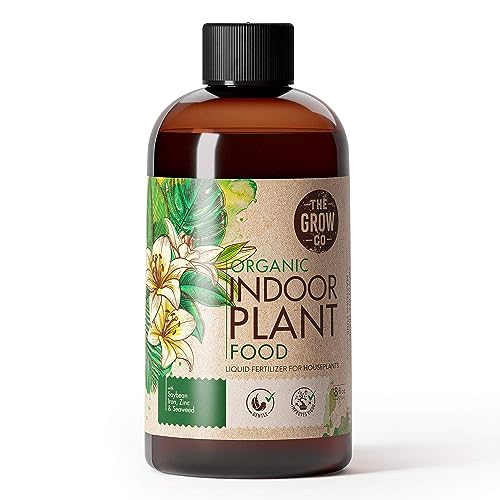
Product overview: This organic indoor plant food is a balanced, urea-free liquid formula designed for common houseplants and other potted greenery. It emphasizes gentle, steady feeding ideal for indoor environments where plants rely on regular care.
Best for: Homeowners who keep a variety of houseplants or indoor edibles in pots and want an easy, all-purpose solution that can be used frequently without risk of fertilizer burn.
Why selected: The product’s organic composition and indoor suitability make it a practical choice for office plants, apartments, and living spaces that prioritize non-chemical inputs.
Caution: Use according to label directions to avoid over-fertilization, especially in small containers where roots are confined.
True Organic All Purpose Plant Food

Product overview: A 4 lb organic blend that includes seabird guano, shrimp and crab shell meal, soybean meal, and fish bone meal. It targets a broad range of garden crops with a well-rounded nutrient profile intended to enrich soil and support long-term vigor.
Best for: Gardeners seeking a comprehensive organic feeding program that addresses fruiting, flowering, and foliage across vegetables, herbs, and ornamentals.
Why selected: The mix of natural ingredients provides a nutrient-dense option for soil building and sustained release of nutrients over time.
Limitation: Some organic blends may require longer to show results in fast-paced crops; consider pairing with compost for immediate soil benefits.
Buying Guide
What should I look for in a fertilizer for home gardens?
Consider the plants you grow most often, whether you prefer synthetic or organic options, and the soil you’re working with. A balanced NPK (like 10-10-10 or 3-4-4) is versatile for mixed beds, while vegetables and fruit crops may benefit from higher phosphorus or potassium at specific growth stages.
Granular vs. liquid formats: which is best?
Granular fertilizers release nutrients slowly and are convenient for garden beds and lawns with fewer applications. Liquid formulas act quickly and are useful for potted plants and containers or when rapid results are desired. Choose based on your watering schedule and plant type.
Organic vs. synthetic: what’s the difference?
Organic fertilizers improve soil health over time and align with eco-friendly gardening. Synthetic formulas deliver nutrients quickly and can be more predictable for short-term growth. Your choice depends on gardening goals and environmental considerations.
How often should I fertilize?
Houseplants often require monthly feeding, while outdoor gardens may benefit from seasonal applications. Slow-release products reduce the frequency of applications, whereas liquids may require more regular feeding according to plant needs.
Application tips for best results
- Follow product directions for rate and timing to avoid fertilizer burn.
- Water after applying to help nutrients reach the root zone.
- For organic blends, incorporate into soil or compost to maximize microbial activity.
- Test soil periodically to adjust feeding plans based on nutrient levels and crop requirements.
Frequently asked questions
- What is the difference between N, P, and K in fertilizer?
- How can I tell if my plants need fertilizer?
- Are organic fertilizers safe for vegetables grown in containers?
- Can I mix different fertilizers in the same garden bed?
- Should I fertilize before planting or after germination?
- What signs indicate over-fertilization?
FAQ Answers
- N, P, and K stand for Nitrogen, Phosphorus, and Potassium. Nitrogen supports leaf growth, phosphorus aids root and bloom development, and potassium improves overall plant health and resilience.
- Signs of nutrient need include pale or yellowing leaves, slower growth, and reduced flowering or fruiting. Consider soil tests and crop-specific feeding.
- Yes, organic fertilizers are generally safe for containers, but follow labeling for pot size and feeding frequency to prevent over-fertilization.
- Avoid mixing multiple products without guidance; combinations can lead to nutrient imbalances. When in doubt, choose a single, well-suited formula for your plants.
- Fertilize after planting or when plants show active growth, not during dormancy. Adjust timing for perennials and trees based on seasonal needs.
- Over-fertilization can cause leaf burn, reduced growth, and soil imbalances. If symptoms appear, flush the soil with water and adjust application rates.