Holly varieties offer evergreen foliage, dense growth, and seasonal interest ideal for hedges. The following selections are well-suited for American landscapes, delivering privacy, structure, and color across seasons. Each option brings distinct berry displays, leaf forms, and growth habits to fit small spaces or expansive borders.
| Product | Brand | Type | Key Benefit |
|---|---|---|---|
| Nellie R. Stevens Holly (10 Live Trees) | Florida Foliage | Evergreen hedge plant | Dense, tall privacy screen with year-round foliage |
| Burfordi Holly (10 Live Plants) | Florida Foliage | Hedge shrub | Glossy leaves and bright winter berries for seasonal interest |
| Oak Leaf Holly 1-2ft | PERFECT PLANTS | Evergreen holly | Columnar form with bold red berries in season |
| 7 Gallon Southern Living Holly Oakland Shrub | Southern Living | Privacy hedge shrub | Large mature size for substantial screening |
| Dwarf Yaupon Holly Live Plant | Wellspring Gardens | Dwarf holly shrub | Compact, adaptable, drought-tolerant option |
Each pick is chosen for reliable hedge performance, ease of care, and year-round appeal. The table above highlights what makes these hollies suitable for hedges—from dense growth and evergreen foliage to seasonal berries and varied mature sizes. Consider your climate zone, space, and desired maintenance level when choosing the best hedge holly for your landscape.
Nellie R. Stevens Holly — Dense Privacy Hedge

Nellie R. Stevens Holly is a vigorous evergreen known for its dense branching that forms an effective tall screen. It tolerates both sun and shade and performs well in a range of landscapes. A notable feature is its ability to produce large orange-red berries in favorable conditions, though a nearby male pollenizer can boost berry set. This cultivar is valued for its reliable growth and consistent foliage, making it a staple for privacy hedges and windbreaks.
Burfordi Holly — Dark Green Hedge Shrub
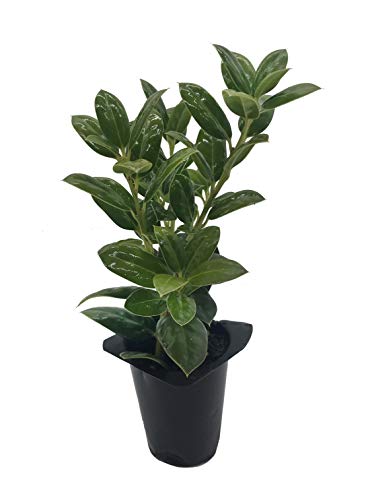
Burfordi Holly is an evergreen shrub with glossy, dark green leaves and a dense growth habit, ideal for hedges and borders. It adds year-round structure and winter interest with bright red berries in colder months, which also attract birds. It works well as a privacy screen or as a standalone specimen in landscape designs, offering low maintenance alongside dependable performance.
Oak Leaf Holly — Columnar Evergreen

Oak Leaf Holly features vibrant red berries in late spring through summer and is self-fertile, reducing the need for a pollinator. Its evergreen foliage provides year-round interest, while its natural columnar and pyramidal growth offers a professional, refined silhouette for residential or commercial landscapes. This variety is particularly appealing for narrow hedge lines or accent plantings along walkways.
7 Gallon Southern Living Holly Oakland Shrub

This Southern Living selection grows to a large mature size, offering substantial privacy and a strong visual presence in the landscape. It prefers full sun to partial shade and is suited for USDA zones where heat and drought tolerance are important. The breadth and height make it a robust backbone for expansive hedges or property borders, delivering evergreen foliage year-round with seasonal bloom and berry potential depending on pollination.
Dwarf Yaupon Holly — Compact Drought Tolerant

The Dwarf Yaupon Holly from Wellspring Gardens offers a compact, low-maintenance option ideal for smaller spaces or foundation plantings. It tolerates drought conditions and various sun exposures, adapting well to zones 7a-9b. Delivered as a young shrub, it requires patience to reach full mature size but rewards with a tidy, dense habit suitable for edging, short hedges, or container plantings in urban settings.
Buying Guide: Key Purchase Considerations
Selecting the right holly hedge involves evaluating climate compatibility, desired growth rate, size at maturity, and berry or foliage interest. For drought-prone areas, choose drought-tolerant varieties like Yaupon holly. If you want a fast-growing screen, Nellie R. Stevens or the Oak Leaf Holly offer rapid establishment with dense foliage. Self-fertile options reduce the need for multiple plants to achieve berry production, while male pollenizers can enhance fruiting in some cultivars. Consider sun exposure, soil drainage, and maintenance needs when placing hedges along property lines or beneath windows.
Growth habit varies among species: some hollies form tall, clumped screens, while others trend toward columnar or pyramidal shapes. If space is limited, dwarf or compact cultivars provide privacy without overwhelming the landscape. Berries add seasonal color and wildlife value, especially in winter, but note that not all hollies produce fruit without cross-pollination. For mixed borders, pairing evergreen hollies with deciduous companions can create year-round interest and improved seasonal dynamics.
Maintenance considerations include pruning needs, disease resistance, and fertilizer requirements. Most hollies tolerate a range of soils but perform best in well-drained, slightly acidic conditions. Mulching helps conserve moisture and reduce weed pressure. Regular inspections for common issues, such as scale or leaf spot, can help preserve hedge health. For homeowners seeking a balance of aesthetics and low upkeep, selecting a few versatile cultivars with similar growth rates simplifies pruning and hedging.
In summary, the right holly hedge blends climate suitability, growth behavior, and visual impact. Whether you desire a dense privacy screen, seasonal berry color, or a sculpted architectural backbone for your yard, the options above offer practical choices across American landscapes. Assess your space, light, and water conditions to choose the hedging holly that best fits your garden goals.