If you want bold orange blooms from a tropical hibiscus, this guide groups five top options that are well-suited for warm, sunny setups and easy to care for with basic needs. The top picks include established orange-toned varieties, plus related orange-hued hybrids and seeds to expand color possibilities. This list helps buyers decide who each plant is best for—whether you want a low-maintenance flowering shrub, a showy patio plant, or an heirloom hybrid with peach-orange blossoms. A quick summary table follows the product descriptions.
Buying table at a glance
| Product | Best For | Key Benefit | Limitations |
|---|---|---|---|
| Peach Lions Tail El Capitolo Sport | Beginners who want easy care | Dense, double orange pom-pom blooms | Frost-sensitive |
| Cosmic Dancer Hibiscus Rosa-Sinensis Hybrid | Indoor or patio gardening | Large, fancy orange-red flowers with eye | Requires careful light and humidity |
| Jane Cowl Hibiscus Rosa-Sinensis | Collectors and traditional gardeners | Pastel peach-orange double blooms | Older hybrid may need extra pruning |
| 20 Double Orange Pink Hibiscus Seeds | Seed growers and long-term color variety | New plants from seed with orange-pink blooms | Seed-grown variability |
| Santana Hibiscus (2 plants) | Low-maintenance tropical color | Reliable year-round blooms in warm zones | Best in warm climates, may need protection in cooler areas |
Peach Lions Tail El Capitolo Sport — Tropical Hibiscus
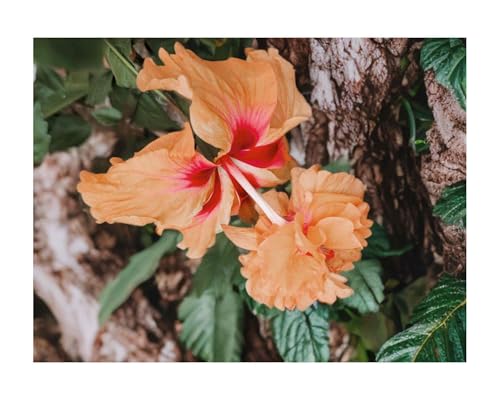
Hibiscus rosa-sinensis; common name Tropical Hibiscus. The Orange Lions Tail is a heritage hybrid known for its dense, double pom-pom blossoms in peach-orange. It thrives in fertile, well-draining, acidic soil with consistent moisture. Best for warm climates and potted or in-ground display, it benefits from light pruning after flowering and protection from frost. This cultivar emphasizes ease of care with reliable bloom production, suitable for beginners and busy gardeners who still want a striking color display.
Best for: gardeners who want an easy-to-care-for orange bloom with a robust shrub habit. Limitations: frost sensitivity requires winter protection or indoor overwintering in cooler regions.
Cosmic Dancer Hibiscus Rosa-Sinensis Hybrid

Hibiscus rosa-sinensis; Exotic Fancy hybrid known for large 6-7 inch single blooms with bold orange and a yellow border around a maroon to lavender eye. This plant is best grown as a well-tended potted specimen indoors or on a bright patio, with well-draining, slightly acidic media and high humidity. It prefers warm temperatures (70–90°F) and indirect light. While striking, Cosmic Dancer requires attentive care to maintain bloom quality and color intensity, and it should be shielded from hot afternoon sun in very bright climates.
Best for: experienced growers or confident hobbyists who want a standout, exotic orange bloom with a dramatic flower eye. Limitations: needs careful light, humidity, and moisture management to keep blooms vibrant.
Jane Cowl Hibiscus Rosa-Sinensis

Hibiscus rosa-sinensis; an heirloom hybrid named for a famous early 20th-century actress. It produces dense, pastel peach-orange double blooms with a bushy, self-branching habit. It grows well in fertile, acidic soil and benefits from regular feeding in spring. It is best as a well-tended potted plant or a landscape specimen that can tolerate mild pruning after flowering. Its classic look appeals to collectors and those who prefer reliably double blossoms with a soft color.
Best for: gardeners seeking an easy-care heirloom with consistent double blooms. Limitations: older hybrid trends toward premium care for optimal flowering; occasional pruning helps maintain shape.
Santana Hibiscus — Live Plants

Hibiscus rosa-sinensis; Santana is a drought-tolerant evergreen shrub suited for warm zones (USDA 10-11 preferred). These 2.5-inch nursery cubes are ready to plant and thrive in full sun with well-drained soil. They can grow up to 6-10 feet tall with adequate watering. This selection is ideal for gardeners seeking a hardy, compact starting point for a tropical border or container display that will mature into a vibrant, year-round focal point.
Best for: homeowners in warm climates wanting resilient, low-maintenance color. Limitations: best performance in zones with mild winters; protection may be needed when temperatures drop.
20 Double Pink Orange Hibiscus Seeds

Hibiscus rosa-sinensis seeds; these seeds offer a chance to grow new plants with orange-pink blooms. Seed-grown hibiscus can show color variation due to genetics and environmental conditions. They require full sun and well-drained soil, with consistent moisture. Expect variability in bloom color and form, but the plants can become striking when properly cared for over time.
Best for: gardeners who enjoy growing from seed and exploring color variation. Limitations: greater color and bloom consistency can vary between seedlings.
Buying Guide: Key Considerations For Hibiscus Rosa-Sinensis Orange Varieties
- Climate compatibility: Most tropical hibiscus prefer warm temperatures, full sun, and protection from frost. If you live in cooler areas, consider container planting that can be moved indoors during cold months.
- Sun and moisture needs: Orange-colored hibiscus typically thrive in bright light with even moisture. Avoid letting soil dry completely between waterings, but ensure good drainage to prevent root rot.
- Growth habit and space: Some varieties are compact and suited for patios or containers, while others grow larger as landscape shrubs. Choose based on your space and pruning ability.
- Care level: Fancy and exotic hybrids often require more attentive care, including humidity management and careful light exposure. Heirloom and starter hybrids may be more forgiving for beginners.
- Soil and fertilization: Use well-draining, slightly acidic soil. Apply bloom-boosting fertilizer during planting and then annually in spring to support flowering.
- Container vs. ground: For urban spaces or balconies, select cultivars known for strong container performance and consider larger pots to support root growth and bloom size.
- Maintenance tips: Regular pruning after flowering helps maintain bushy growth and encourages dense blooming. Protect from freezing temperatures where applicable.
FAQ
- Are hibiscus orange varieties suited for beginners? Yes, several are hardy and forgiving, especially those marketed as easy-care or starter plants. Some exotic hybrids require more attentive care.
- Do these plants tolerate containers well? Many hibiscus rosa-sinensis cultivars perform beautifully in pots, provided they have well-draining soil, adequate sun, and regular feeding.
- What temperature range is best? Most tropical hibiscus prefer daytime temperatures around 70–90°F with mild to moderate nighttime cooling; protect from frost.
- Do they require special soil? A well-draining, acidic to slightly acidic soil helps, with good quality potting mix for container plants. In-ground plantings benefit from fertile, well-draining soil.
- How often should I prune? Light pruning after flowering is generally recommended to maintain shape and promote continued blooming.
- Can I grow from seed? Yes, but color and bloom form can vary; seed-grown plants may diverge from parent color and structure.