Finding the right herbicide depends on the weed type, application site, and whether you need pre-emergent or post-emergent control. This guide reviews five widely used products to help homeowners select an effective option for turf, gardens, and landscape areas. Each option offers different active ingredients, coverage rates, and timing flexibility. Review the product features, application windows, and safety considerations to choose the best fit for your weed control goals.
| Product | Brand | Active Ingredient (primary) | Ideal Use | Notes |
|---|---|---|---|---|
| Southern Ag Amine 2,4-D WEED KILLER | Southern Ag | 2,4-D | Broadleaf weed control in turf, pastures, ditches | Economical use rate; targets broadleaf species |
| Compare-N-Save 75324 Herbicide | Compare-N-Save | Glyphosate (41%) | Non-selective weed control in various areas | Rainproof in 2 hours; visible results in days |
| Roundup Weed and Grass Killer | Roundup | Glyphosate | Kills weeds and grasses to the root | Rapid rainfastness; suitable for use around beds and trees |
| Atticus Torocity Herbicide (8oz) | Atticus | Mesotrione | Turf lawn weed control; pre- and post-emergent | Flexible timing; improves newly seeded areas |
| Syngenta Tenacity Herbicide (8-oz) | Syngenta | Mesotrione | Pre- and post-emergent weed control in lawns | Can be applied during seeding or overseeding |
Southern Ag Amine 2,4-D WEED KILLER, 32oz
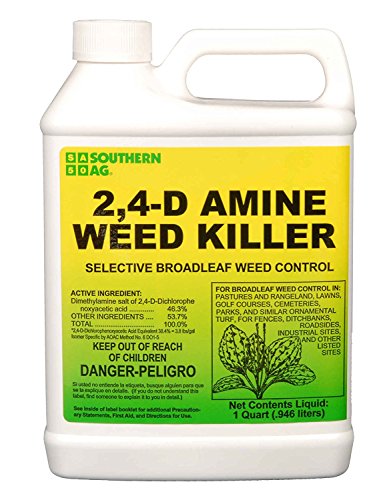
Product overview: Southern Ag Amine 2,4-D WEED KILLER is designed to control many broadleaf weeds and woody plants with a low use rate. It is suitable for turf, pastures, rangeland, and right-of-ways. The 2,4-D formulation targets common broadleaf species without extensive soil activity, making it a straightforward choice for established turf areas and occasional woody plant challenges.
Key features: Low application rate (1–4 pints per acre), broadleaf weed control, compatible with turf and pasture settings, economical coverage. Consider weather conditions and label directions to maximize effectiveness and minimize burning risk in certain grasses.
Application considerations: Match use to target weed types; avoid applying during extreme heat or on stressed turf. Follow label instructions for rate and mixing with adjuvants if needed to improve leaf coverage.
Compare-N-Save 75324 Herbicide, 1-gallon
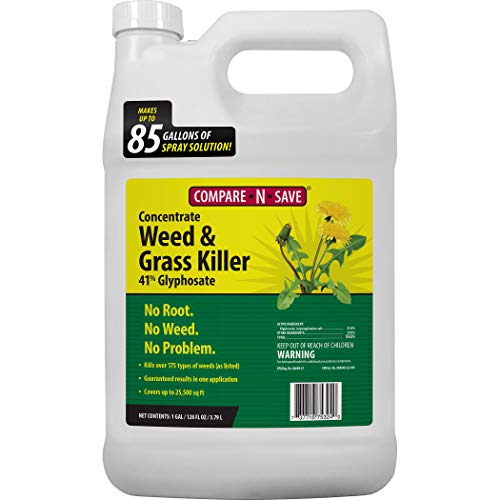
Product overview: Compare-N-Save 75324 is a glyphosate-based non-selective herbicide designed for broad-spectrum weed control. It is commonly used for areas where you want to eradicate existing vegetation and prepare soil for new plantings. The 2-hour rainproof window and visible results in a few days can help with predictable weed suppression schedules.
Key features: High glyphosate content (41%), fast rainproofing, rapid visual progress, effective on many annual and perennial weeds. It is best used where non-selective control is desired, and re-vegetation planning is prepared post-treatment.
Application considerations: Use careful spot treatment or entire-area spraying as needed. Ensure suppression of desirable plants in treated zones and follow label directions regarding tank-mixing and protective equipment.
Roundup Weed and Grass Killer₄ with Pump ‘N Go Sprayer

Product overview: Roundup Weed and Grass Killer provides root-penetrating control of both weeds and grasses. It is suitable for use around beds, trees, and other landscape features where broadleaf and grassy weeds are present. The product’s quick rainfastness means you can expect reduced wash-off after light rain and faster weed suppression.
Key features: Glyphosate-based, fast action with visible results within hours, allows planting after a short interval (refer to the label for specifics). Effective for tough perennial weeds and annual grasses.
Application considerations: Protect desirable plants and avoid drift to ornamentals. Follow label directions for nozzle settings and coverage rates to minimize off-target impacts.
Atticus Torocity Herbicide (8oz)
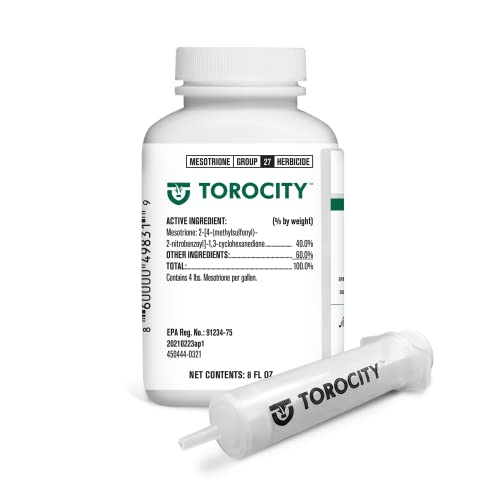
Product overview: Atticus Torocity contains a high concentration of mesotrione and is designed for selective weed control in lawns and turf. It supports pre- and post-emergent activity, expanding the application window for new seedings and established turf alike.
Key features: 40% mesotrione, flexible timing, broad-spectrum weed control including crabgrass and clover, suitable for newly seeded areas and established lawns, reduces emergence of new weeds and controls existing ones.
Application considerations: Follow directions for correct mixing with water and timing relative to mowing and seeding activities. Some turf types may have tolerance considerations; always perform a label check for compatible grasses.
Syngenta Tenacity Herbicide – 8-oz

Product overview: Tenacity is a liquid lawn weed control solution with both pre- and post-emergent capabilities. It targets a wide range of broadleaf and grassy weeds, including crabgrass, clover, dandelion, and oxalis, while being safe on many common lawn grasses when used as directed.
Key features: 46+ species control, applicability during seeding or overseeding, selective action to protect established turf, dual-action approach to prevent and treat existing weeds.
Application considerations: Read the label for tolerance in specific grass species and seeding conditions. Mix ratio and timing are important to achieving optimal weed suppression without harming desired turf.
Buying Guide: Key Considerations For Choosing A Weed Killer
When selecting a herbicide, homeowners should assess weed species, application site, timing, and potential impact on desirable plants. The following considerations help compare options across these five products and similar products on the market.
- Weed target and selectivity: Broadleaf vs. grass-specific weeds require different active ingredients (for example, 2,4-D targets broadleaf weeds, while mesotrione-based products cover many broadleaf and some grasses). Choose a product aligned with the weed profile you face.
- Site and crop tolerance: Lawns, turf, gardens, and pasture areas have different tolerance thresholds. Some products are designed for turf, while others are non-selective for bare ground or pre-plant sites. Always check label guidance for your site type.
- Pre-emergent vs. post-emergent: Pre-emergent formulations prevent weed germination, whereas post-emergent products act on existing weeds. Several products offer both modes, expanding application flexibility, particularly during seeding or renovation projects.
- Application timing and weather: Temperature, rainfall, and drought conditions influence efficacy. Some products are rainfast within minutes to hours, while others require multiple days for visible results. Plan applications for favorable conditions to maximize performance.
- Tank-mixing and adjuvants: Some products perform better with surfactants or certain tank mixes. Ensure compatibility with adjuvants and follow label instructions to avoid reduced efficacy or plant injury.
- Environmental and safety considerations: Evaluate potential impacts on non-target plants, beneficial insects, and soil health. Use protective equipment as recommended and follow disposal guidelines for containers and unused products.
- Cost effectiveness and coverage: Compare application rates and labeled coverage to estimate cost per area. Some products offer economical rates for large areas, while others are suited for spot treatment.
- Re-entry intervals and planting windows: After treatment, some herbicides require a waiting period before replanting or sowing. This is crucial for garden beds and newly seeded lawns.
Each product above has a distinct balance of active ingredient, site suitability, and timing flexibility. For best results, identify the weed species, confirm compatible turf or soil types, and follow label directions for mixing, application rate, and safety precautions. Regular monitoring and a careful weed-management plan can help maintain healthy lawns and landscapes while reducing weed pressure over time.