Choosing the right hedge trees can transform a yard into a private, serene retreat. The following selections prioritize fast growth, year-round foliage, and low maintenance to help you create effective privacy screens, windbreaks, and property borders. This guide compares five strong options from reliable brands, highlighting growth habits, care needs, and landscape applications to fit a range of spaces.
| Product | Brand | Key Benefit |
|---|---|---|
| Leyland Cypress Privacy Tree | Florida Foliage | Dense evergreen screen for year-round coverage |
| 5 Thuja Green Giant Arborvitae | Generic | Low-maintenance privacy screen with natural pyramid shape |
| Hybrid Willow Privacy Hedge | CZ Grain | Extremely fast growth for rapid screening |
| Thuja Green Giant, 20 Live Plants | Florida Foliage | Dense, tall evergreen screen with year-round greenery |
| Ligustrum Waxleaf Privet | Florida Foliage | Strong hedge plant with easy pruning and shaping |
Why Choose Hedge Trees For Privacy
Privacy hedges offer tangible benefits beyond seclusion. They reduce outdoor noise, filter wind, and provide a natural aesthetic that frames outdoor living spaces. When selecting hedge trees, consider growth rate, ultimate height, soil and sun tolerance, and maintenance needs. The trees below balance rapid growth with manageable upkeep, making them suitable for both residential yards and commercial landscapes.
Leyland Cypress Privacy Hedge
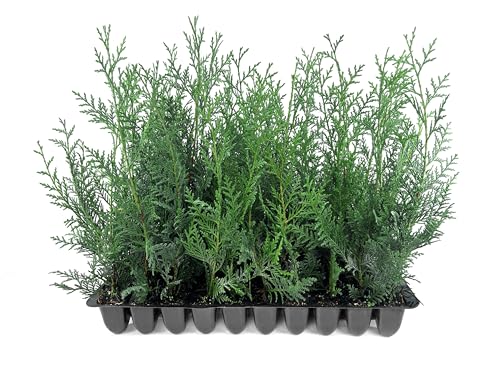
The Leyland Cypress is a fast-growing evergreen tree favored for natural screens along property borders and driveways. Its dense foliage provides year‑round coverage, making it a reliable privacy solution. This Florida Foliage selection thrives in full sun and adapts to different soils, simplifying establishment in varied landscapes. It is suitable for residential and commercial projects, offering a sturdy frame for windbreaks and landscape borders.
Green Giant Arborvitae Hedge (5 Plants)
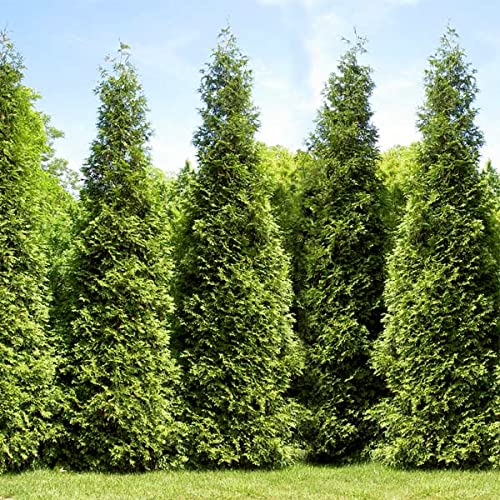
This package includes five Green Giant Arborvitae plants, each about 6–12 inches tall in 2.5-inch pots. They require minimal pruning because they naturally form a pyramidal shape. Their fast growth makes them ideal for creating a privacy screen or windbreak in a yard, garden, or along a fence line. They are also adaptable to various soil types, which helps in establishing a reliable hedge with low ongoing maintenance.
Hybrid Willow Privacy Hedge (5 Cuttings)

Hybrid Willow, also known as Aussie Willow, is renowned as one of the fastest-growing trees. It can quickly establish a robust visual or sound barrier, proving effective for screening nosy neighbors or creating a private green wall. Cuttings arrive ready to root in water and should be planted about 3 feet apart to accelerate dense screening. For even faster results, a staggered second row can be added.
Thuja Green Giant, 20 Live Plants

The 20 live Thuja Green Giant plants deliver rapid growth for a tall, dense privacy screen. They are a versatile landscaping option, suitable as hedges, windbreaks, or borders that stay green throughout the year. These evergreens tolerate full sun to partial shade and adapt to many soil types with minimal care, making them a practical long-term privacy solution.
Waxleaf Privet Hedge

Ligustrum Waxleaf Privet offers an upright, fast-growing hedge with glossy evergreen foliage. It forms a dense barrier suitable for privacy screens, wind protection, and hedging. The plant responds well to pruning and shaping, making it easy to maintain a consistent hedge height and appearance. Regular watering at establishment helps encourage a strong root system, after which periodical watering supports healthy growth.
Buying Guide: Key Purchase Considerations
- Growth rate and mature height: Quick screens are ideal for immediate privacy, but consider long-term space and height requirements to avoid overgrowth or encroachment on adjacent areas.
- Sun and soil tolerance: Most evergreen hedges prefer full sun but tolerate partial shade. Assess soil drainage and fertility to match plant needs and reduce maintenance.
- Maintenance and pruning: Some species require regular shaping, while others maintain a natural pyramid or column form. Plan for pruning frequency and tools required.
- Climate suitability: Choose species known to perform well in your USDA hardiness zone and local climate conditions to maximize survivability and growth.
- Root behavior and foundation impact: For hedges along driveways or structures, ensure root systems won’t cause damage or interfere with underground utilities.
- Aesthetic impact: Consider leaf color, texture, and seasonal changes to ensure the hedge complements home design and landscaping goals.
- Budget and spacing: Dense screens require closer spacing or gradual plant maturity. Factor in initial plant size and spacing recommendations to achieve the desired density.
- Alternative options: If natural screening is impractical, consider artificial privacy fences as a temporary or supplementary solution, particularly in shaded or urban spaces.