Growing healthy indoor plants and starting seeds often requires steady, controlled heat to mimic warm outdoor conditions. The following heat bulbs pair warming capability with reliability, helping seedlings thrive and mature plants develop strong roots. This guide selects five top options designed for plant use, greenhouse setups, and seed starting, with attention to energy efficiency, longevity, and ease of installation.
Summary Table of Selected Products
| Product | Brand | Watts | Base | Primary Use |
|---|---|---|---|---|
| BULBMASTER 250W Red Heat Lamp | BULBMASTER | 250 | E26 | Heat for plants, animals, and general warmth |
| Briignite Grow Light Bulb A19 11W | Briignite | 11 | E26 | Full spectrum for indoor plant growth |
| Jugbuy 250W Heat Lamp Bulbs | Jugbuy | 250 | E26 | Heat for reptiles, poultry, and plants |
| 250R40/1 250W Heat Lamp (KOR) | KOR | 250 | E26 | Dual-use heat lamps for warmth in food service and pets |
| KOHEOPT 150W Infrared R40 Heat Lamp | KOHEOPT | 150 | E26 | Infrared heat with broad warmth for plants and animals |
Below are five detailed product sections. Each entry explains why the bulb suits plant warmth needs, how it operates, and what to consider when choosing for a home grow setup.
BULBMASTER 250W Red Heat Lamp for Plants
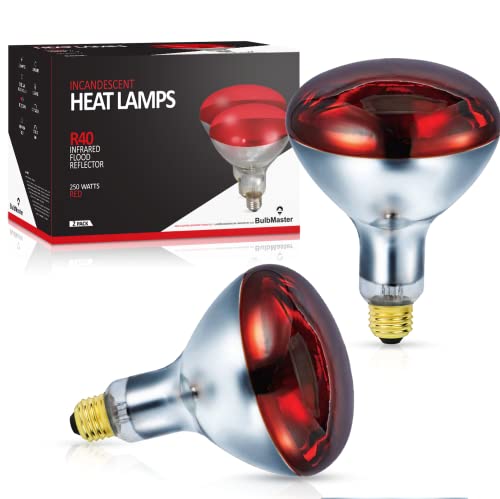
The BULBMASTER Red Heat Lamp is a 250-watt infrared bulb with an E26 base designed to deliver warm, radiant heat. While commonly used in reptile enclosures and chicken coops, its deep infrared output can also support indoor plant microclimates, especially in cooler rooms or during early seedling phases. The red spectrum can help stimulate warmth-driven growth in some plant stages and offer a cost-effective way to maintain consistent temperatures for small seed trays or sunroom setups. The bulb’s reflector design focuses heat toward the targeted area, helping to minimize wasted energy in a compact environment.
Key considerations for plants: ensure the lamp is positioned at a safe distance to prevent scorching leaves, and combine with a cooling system or opposite light cycle to preserve plant health. This bulb shines best when used as a supplementary heat source rather than a primary grow light.
Briignite A19 Grow Light Bulb 11W (2 Pack)

The Briignite A19 11W grow light bulb provides full-spectrum output with a color temperature around 4000K, appearing natural to the eye while delivering red and blue wavelengths essential for photosynthesis. This bulb is energy-efficient, producing a brightness level comparable to a 100W traditional bulb while consuming only 11 watts. It is well-suited for seed starting, leafy greens, and herbs in indoor setups, balconies, or windowsills where electricity use matters. The broad light distribution helps cover moderate plant canopies, supporting steady growth across multiple stages.
Practical usage notes: place bulbs so that light reaches stem bases and lower leaves without creating heat stress. It complements visible grow lights by providing the spectrum plants need during vegetative and early flowering phases when heat bulbs may not be appropriate as a sole light source.
Jugbuy 250W Heat Lamp Bulbs for Plants and More

The Jugbuy 250W heating bulbs come in a two-pack with a robust E26 base and a reflective R40 design, delivering enhanced heat output and longer service life. The bulbs are suitable for heating seed trays, reptile habitats, and incubators, making them versatile for plant nurseries that require consistent warmth. A longer lifespan reduces the frequency of bulb changes, which is advantageous in seed starting operations where temperature stability is critical. With a higher heat output, these lamps can quickly establish a warming microclimate for young seedlings and cuttings.
Plant-oriented usage tips: maintain a measured distance to avoid overheating the topsoil. Pair with a thermostat or climate-controlled enclosure to achieve uniform warmth and prevent hot spots around the plant crown.
KOR 250W Heat Lamp, Clear R40 Reflector

The 250W R40 reflector from KOR provides a clear head lamp design with a medium screw base. It ships as a two-pack, offering flexibility for dual-zone warmth: keep a primary heat zone near seed trays and a secondary area for hardening-off plants. Its 2,000-hour rated life reduces maintenance and downtime during critical growth windows. The bulb’s radiant heat can help maintain soil surface warmth and protect young transplants from cold drafts, particularly in unheated basements, garages, or sunrooms where ambient temperatures dip at night.
Usage guidance: install away from direct plant contact to prevent leaf burn, and combine with passive heat sinks or reflective panels to optimize heat distribution within the growing space.
KOHEOPT 150W R40 Infrared Heat Lamp

The KOHEOPT 150W infrared R40 lamp concentrates heat energy efficiently with an aerospace-grade reflective coating. While slightly lower wattage than the 250W options, its infrared output remains effective for warming seedbeds, propagation tents, and small greenhouse corners. The compact heat intensity is suitable for delicate plants and cuttings where excessive heat could cause stress. The glass and coating are designed for durability, and the E26 base ensures compatibility with standard fixtures found in many grow spaces.
Plant-focused considerations: ideal as a supplemental heat source rather than a sole heater. Use with a thermostat to maintain a stable root zone temperature and minimize watering stress due to rapid ambient temperature swings.
Buying Guide: Key Purchase Considerations
- Heat vs. light: For plant growth, distinguish between heat lamps (infrared) and true grow lights (full-spectrum). Many setups benefit from combining both types to provide warmth without compromising photosynthesis.
- Wattage and coverage: Higher-wattage lamps deliver more heat and can warm larger areas, but require careful placement to avoid burning plants. Consider the size of your seed tray or nursery area and use multiple bulbs if needed.
- Base compatibility: All selected options use an E26 base, the most common household size. Verify fixture compatibility and spacing to ensure safe operation.
- Durability and longevity: Look for lamps with long service life to minimize replacements during seed starting cycles. Reflective coatings and robust glass help maximize heat efficiency.
- Energy efficiency: LED-based options (like Briignite) deliver full-spectrum light with much lower energy use, while traditional incandescent heat bulbs consume more power. Balance heat needs with annual electricity costs.
- Heat management: Pair heat bulbs with thermostats, timers, or enclosure vents to prevent overheating and maintain stable temperatures for plant roots and stems.
- Safety considerations: Keep heat lamps away from flammable materials, ensure proper ventilation, and use fixtures designed for high-temperature operation to ensure safe, continuous use.
- Multi-use flexibility: Some bulbs serve dual purposes (heat and light or heat for animals). If you grow edible plants, ensure the light spectrum supports photosynthesis when you rely on any supplementary lighting.
- Placement strategy: For seed starting, place lamps above the canopy at a safe distance. For deep rooting or soil warmth, target the root zone while avoiding direct leaf scorch.
Overall, choosing the right heat bulb for plants depends on the scale of your operation, climate control capabilities, and whether you need supplemental warmth or combined lighting. The five products highlighted here offer a spectrum of options—from pure heat and infrared efficiency to full-spectrum grow lighting—so you can tailor a setup that protects tender seedlings while promoting steady growth.