When planning underground water lines, homeowners seek durable, flexible piping that withstands temperature shifts, pressure, and soil conditions. While HDPE remains a common option, modern PEX and related plastics offer installer-friendly features, reliability, and easier routing in tight spaces. This guide highlights five relevant piping products and compares their capabilities for underground or exposed outdoor installations, radiant heating, and potable-water applications. Each product is evaluated for durability, temperature tolerance, installation ease, and overall suitability as an HDPE underground water pipe alternative.
| Product | Material Type | Length/Size | |
|---|---|---|---|
| VEVOR PEX Pipe, 1″ x 500 ft | PEX-B | 1″ x 500 ft | Non-oxygen barrier, flexible, wide temperature range, included cutter |
| Cresline Polyethylene Pipe, 1″ x 100′, 100 Psi (Drinking Water) | HDPE/PE-RT type | 1″ x 100 ft | Made in the United States, potable-water approved in some variants |
| Cresline Polyethylene Pipe, 1″ x 100′, 80 Psi (Not For Potable) | HDPE/PE-RT type | 1″ x 100 ft | Non-potable suitable, corrosion-resistant |
| Cresline Polyethylene Pipe, 1-1/4″ x 100′, 160 Psi (Drinking Water) | HDPE/PE-RT type | 1-1/4″ x 100 ft | NSF approved, higher pressure rating |
| SharkBite 3/4″ x 500 ft White PEX-B | PEX-B | 3/4″ x 500 ft | Push-to-connect, freeze-resistant, long coil length |
Note: This article focuses on durable, install-friendly piping options suitable for underground or indirect exterior use, with an emphasis on PEX and HDPE-like alternatives. Always verify local code approvals and potable-water specifications before installation.
VEVOR PEX Pipe 1″ x 500 Ft — Flexible Plumbing Solution
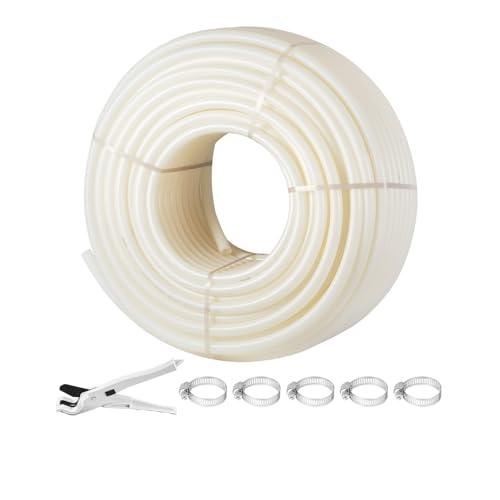
The VEVOR PEX Pipe is a 1-inch PEX-B tubing coil designed for fluid transport across homes and radiant heating systems. Outer diameter measures 1.125 inches with a 0.875-inch inner diameter and 0.07-inch wall thickness, offering robust durability for long runs. The 500-foot length supports large-scale installations, reducing joints and potential leak points. It is noted for crack resistance and ease of cutting, suitable for underground or above-ground layouts. Temperature tolerance spans -40°F to 203°F, with a 100 psi rating at 180°F, making it viable for harsh climates and year-round reliability. A built-in pipe cutter is included for quick, precise work, especially when routing around obstacles or tight corners.
Installation considerations: The tubing’s minimum bend radius is 7 inches, aiding flexibility in constrained spaces. Non-barrier oxygen content helps minimize contamination risk in potable water systems when used per code. Potential advantages over HDPE in certain applications include faster routing in confined spaces and compatibility with push-to-connect fittings and radiant floor heating coils. Always confirm compatibility with local potable-water codes and supplier guidelines.
Cresline Polyethylene Pipe 1″ x 100′ 100 Psi For Drinking Water

This Cresline polyethylene pipe provides a 1-inch diameter with a 100-foot length meant for drinking water applications. Made in the United States, it is positioned for potable-water distribution with HDPE-like properties such as chemical resistance and durability. The product line emphasizes reliability for home water lines, particularly in systems where longer runs and fewer fittings improve efficiency. Pros include straightforward handling and compatibility with standard fittings, while considerations involve ensuring code compliance for underground use and matching pressure ratings to the intended service.
Cresline Polyethylene Pipe 1″ x 100′ 80 Psi Not For Potable Water

This Cresline piping variant is labeled not for potable water, offering an HDPE-like solution for non-potable applications such as irrigation or industrial water flow. It carries an 80 psi rating, which is suitable for many outdoor or underground drainage or irrigation projects but may not be appropriate for drinking-water systems. When choosing this pipe for underground use, verify local regulations and ensure the application matches the material’s intended purpose to avoid code compliance issues.
Cresline Polyethylene Pipe 1-1/4″ x 100′ 160 Psi For Drinking Water

This Cresline pipe expands to 1-1/4 inches with a 100-foot length and a 160 psi rating, designed for drinking water applications. The combination of thicker walls and higher pressure tolerance makes it suitable for longer underground runs where higher pressure management is necessary. The product is marketed as NSF-approved, which supports potable-water compliance in many jurisdictions. For underground installation, confirm trenching depth, protection from damage, and code requirements for underground HDPE-like piping in the local area.
SharkBite 3/4″ x 500′ White PEX-B — Flexible Water Tubing

The SharkBite 3/4 inch white PEX-B pipe offers coils up to 500 feet, enabling longer runs with fewer joints. It features a freeze-resistant profile that accommodates expansion and contraction with seasonal temperature changes, and a push-to-connect fitting system for rapid installations. It is designed for hot and cold potable water distribution and can support municipal or residential lines with high chlorine resistance. For underground installations, ensure compatibility with external protection measures and local code requirements for PEX in buried applications.
PEX Pipe 1 Inch × 500 Feet Non-Oxygen Barrier — White

The Caviresta PEX-B pipe provides a 1-inch diameter and 500 feet of tubing with non-barrier oxygen content. It is described as non-toxic and maintenance-free, suitable for potable water and radiant floor heating projects. The 7-inch bend radius and freeze-proof performance (down to -40°F, up to 203°F) support flexible underground routing and year-round operation. It handles high pressures at various temperatures, making it a robust alternative to HDPE in many residential applications. For underground use, verify compatibility with burial practices and protective sleeving as required by local codes.
Buying Guide: Key Considerations For Choosing Underground Water Pipe
- Potable water compliance: Confirm NSF/ANSI approvals or local potable-water certifications for any pipe intended to carry drinking water.
- Pressure rating: Compare psi ratings at expected operating temperatures; higher ratings improve reliability under varying loads.
- Temperature tolerance: Consider freezing and heating conditions in your climate; some pipes tolerate extreme cold and heat better than others.
- Flexibility and bend radius: Flexible piping reduces fittings and leaks in tight spaces; check minimum bend radius to avoid kinking.
- Installation method: Push-to-connect fittings and easy cutters speed up work but verify compatibility with burial requirements and tools you own.
- Underground protection: Plan for protective sleeving, trench depth, backfill materials, and potential UV exposure if portions remain above ground.
- Material comparison: HDPE, PEX, and other plastics each offer distinct advantages—evaluate chemical resistance, longevity, and repair options for your project.
- Code compliance: Always align product choices with local building and plumbing codes, especially for buried lines and potable-water circuits.
- Longevity and maintenance: Assess age-related degradation, freeze-thaw resistance, and the availability of repair methods and fittings.
In summary, while HDPE remains common for underground lines, modern PEX and HDPE-alternative pipes offer compelling installation benefits, temperature resilience, and compatibility with efficient fittings. When choosing, prioritize potable-water compatibility if the line serves drinking water, assess local climate impacts, and ensure proper burial practices to maximize reliability and lifespan.