Gypsum powder can improve soil structure, drainage, and nutrient availability for a wide range of garden plants. This article highlights five top gypsum products, explaining who they’re best for and how to use them effectively. Whether you’re amending clay soil, repairing salt-damaged beds, or supporting mushroom substrates, these options help you choose with confidence.
Buyer note: The following selections target common garden goals such as improving soil texture, aiding root growth, and supporting pH stability. Use the recommendations that align with your soil type, crop focus, and whether you’re growing in-ground beds, raised beds, or substrates for mushrooms.
Product Comparison In Brief
- Best for Organic gardeners: Organic Gypsum Powder 5LB by Cz Garden Supply — OMRI-listed, ideal for certified organic uses.
- Best for quick soil loosening: Earth Science Fast Acting Gypsum Granules — fast-acting, pelletized for easy spread.
- Best value per pound: Organic Gypsum Powder 10LB by Cz Garden Supply — larger bag, same OMRI-listed formula.
- Best for large clay soils: Greenway Biotech Gypsum Powder — high purity, 50-pound bag, 100% water-soluble.
- Best for smaller garden or mushroom substrates: Olympus Myco 97% Pure Gypsum Powder — 1 lb or 5 lb options, high solubility for controlled needs.
Organic Gypsum Powder 5LB – Made in USA

Best for: Organic gardeners and soil amendment enthusiasts who follow OMRI guidelines. The product is listed by OMRI and provides calcium and sulfur to improve plant growth while loosening compacted soil for better water penetration. It’s a practical choice for lawns, general garden beds, and even mushroom cultivation substrates in organic setups.
Why selected: This option combines organic-certification with essential nutrient delivery and soil loosening. It’s suitable for growers who prioritize organic inputs and want a ready-to-use mineral source with clear regulatory compatibility.
Limitation to note: While effective for many soils, the impact may vary with very high-clay or extremely saline soils; adjust application rate accordingly.
Earth Science Fast Acting Gypsum Granules—5 lb

Best for: Gardens with compacted clay soil or salt-damaged beds that need quick structural change. These granules start acting immediately to loosen soil, support root growth, and improve water penetration.
Why selected: The fast-acting, pelletized format ensures easy application and faster results in improving soil structure. It’s a practical pick for homeowners seeking prompt improvements without a long waiting period.
Caution: For very alkaline soils, monitor pH effects and re-evaluate after several weeks of use.
Organic Gypsum Powder 10LB – Made in USA
Best for: Larger gardens or ongoing soil amendments where consistent calcium and sulfur delivery is needed. The 10-pound bag provides a cost-effective option for frequent or long-term applications.
Why selected: This product mirrors the 5-pound version with a larger quantity, maintaining OMRI listing and pH-neutral properties. It’s well-suited for gardeners who routinely amend soil and want fewer bag changes.
Limitation: As with all gypsum products, observe soil salinity and adjust timing around planting windows to maximize uptake.
Greenway Biotech Gypsum Powder Calcium Sulfate

Best for: Soils with drainage issues or salt-affected plots where improving soil water relations is a priority. This product emphasizes high solubility and a strong calcium source to support soil biology.
Why selected: It contains a high percentage of calcium sulfate dihydrate and is explicitly aimed at improving soil drainage and water relations, which helps plants access moisture more evenly. It’s a solid option for heavy clay soils.
Limitation: 50-pound bags can be heavy for small gardens or container setups; plan for proper storage and handling.
Olympus Myco 97% Pure Gypsum Powder, 1 lb

Best for: Gardeners and mushroom cultivators who need high-purity gypsum in small quantities. The 1-pound format suits precise, controlled applications on beds or substrate mixes.
Why selected: High solubility gypsum supports substrate structure and provides essential calcium and sulfur without introducing excess materials. It’s a precise option for targeted amendments.
Limitation: The smaller bag may require more frequent purchases for larger projects or ongoing substrates.
Olympus Myco 97% Pure Gypsum Powder, 5 lbs
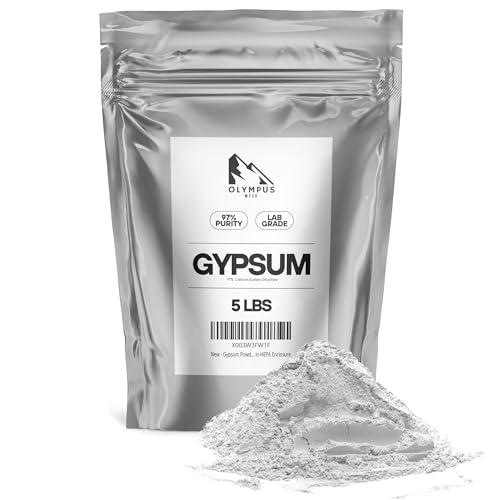
Best for: Medium to larger substrates where consistent gypsum delivery is needed across projects or treatments in mushrooms and gardens alike.
Why selected: The 5-pound option provides a middle ground between the small and large bags, keeping application manageable while ensuring purity and solubility.
Limitation: As with other gypsum products, avoid over-application that could alter soil salinity balance in sensitive crops.
Supply Solutions Premium 97 Solution Grade Gypsum

Best for: Larger landscapes and raised beds where heavy amendment needs and long-term soil structure improvements are required. The 50-pound bag supports substantial projects.
Why selected: It emphasizes breaking up clay, repairing salt damage, and improving substrate structure, making it versatile for both ground beds and mushroom substrates. The bulk quantity is attractive for ongoing use.
Limitation: Bulk bags require more handling and storage space; ensure you have a suitable location to prevent moisture exposure.
Espoma Organic Garden Gypsum Soil Conditioner

Best for: Clay soils in home gardens, lawns, or container plantings where a natural gypsum option with pelletized convenience is preferred. The two-pack provides ongoing supply with easy application.
Why selected: Espoma’s gypsum is 100% natural mined gypsum, pelletized for easy spreading and weed-free application. It’s especially useful for turf and garden soil conditioning during growing seasons.
Limitation: The product’s effectiveness may hinge on consistent moisture and proper application timing to maximize soil penetration.
Buying Guide: Gypsum Powder For Garden
What exactly is gypsum powder and how does it help?
Gypsum powder is calcium sulfate dihydrate, a mineral that adds calcium and sulfur to soil. It helps loosen compacted soils, improves drainage, reduces soil salinity impact by displacing sodium, and can support root and mushroom substrate growth. It does not significantly alter soil pH, making it suitable for a broad range of gardens.
When should you use gypsum in the garden?
Consider gypsum when your soil is heavy clay, compacted, or shows poor drainage. It’s also useful if you’re dealing with blossom end rot in tomatoes or sulfur-deficiency symptoms in some crops. Gypsum can be beneficial in saline soils by helping to replace exchangeable sodium with calcium.
How to choose the right product?
- Soil type: Clay-heavy soils benefit from pelletized or fast-acting formulas for quicker drainage improvements.
- Organic goals: If you need OMRI-listed inputs, choose products labeled for organic use.
- Scale of project: Small plots or substrates may require 1 lb to 5 lb bags; larger landscapes may justify 50 lb or 50+ lb bags.
- Specific crop needs: If you’re addressing blossom end rot or substrate structure for mushroom cultivation, select gypsum with higher purity and solubility.
How to apply gypsum safely and effectively?
Spread gypsum evenly over the soil surface, then water to help it move into the root zone. For compacted soils, a light tilling or cultivating after application can improve penetration. For containers or substrates, mix gypsum into the medium before planting. Start with lower rates and monitor plant response to avoid nutrient imbalances.
Comparing products: what matters most?
- Purity and solubility: Higher-purity, water-soluble gypsum works best for rapid delivery to roots or substrates.
- Tag and certification: OMRI-listed products are preferred for organic gardeners.
- Bag size and handling: Choose bag size that matches your garden scale and storage options.
- Application benefits: Some products emphasize drainage improvements while others emphasize nutrient delivery; align with your primary goal.
FAQ
- Q: Will gypsum raise or lower my soil pH? A: Gypsum is generally pH-neutral, so it adds calcium and sulfur without significantly altering pH.
- Q: Can gypsum help with blossom end rot? A: Gypsum provides calcium and sulfur, which can support plants prone to blossom end rot, especially in containers or substrates with poor calcium distribution.
- Q: How often should gypsum be applied? A: For established soils, apply according to soil tests or seasonally as a maintenance practice. Avoid excessive applications in a short period.
- Q: Can gypsum be used in mushroom cultivation? A: Yes, gypsum is commonly used in substrate mixes to improve structure and water relations necessary for mycelium growth.
- Q: Is gypsum safe for pets and wildlife? A: Gypsum is a naturally occurring mineral and is generally considered safe for outdoor garden use when used as directed. Store properly to prevent ingestion hazards for curious pets.
- Q: Do I need to water after applying gypsum? A: Yes, watering helps the gypsum move into the root zone and begin altering soil structure.