Protect local habitats while supporting healthy deer populations with reliable ground feeders. This guide highlights five durable options designed for ground-based feeding, featuring high-capacity hoppers, weatherproof materials, and dependable feeding mechanisms. Each product includes key specs and what to consider when choosing the right feeder for your land and wildlife goals. The table below lists five top picks to help you compare at a glance.
| Product | Capacity | Type |
|---|---|---|
| Moultrie Deer Feeder Standard | 200 lb | Programmable, Remote |
| Banks Outdoors Feedbank Timber | 250+ lb | Ground/Timber, Weatherproof |
| BUYYAH 95-120lbs Deer Feeder | 95-120 lb | Gravity, Heavy-Duty |
| Moultrie 30-Gallon Deer Feeder Tripod | 200 lb | Tripod, Digital Timer |
| Moultrie 250 lb. Gravity Deer Feeder | 250 lb | Gravity, Triple Funnel |
Note: All products are designed for outdoor use and deer feeding. Review installation requirements and local wildlife regulations before setup.
Moultrie Deer Feeder Standard

The Moultrie Deer Feeder Standard offers remote programming via the Moultrie app, letting you set feed times, durations, and frequency from up to 300 feet away. This 200-pound-capacity unit uses a UV-resistant polymer hopper, designed to withstand sun, rain, and wildlife interactions. Convenient ground-level access supports fast filling, while flexible power options (batteries) enable operation without wiring. This feeder emphasizes precise scheduling and reliable performance in varied hunting environments.
Banks Outdoors Feedbank Timber
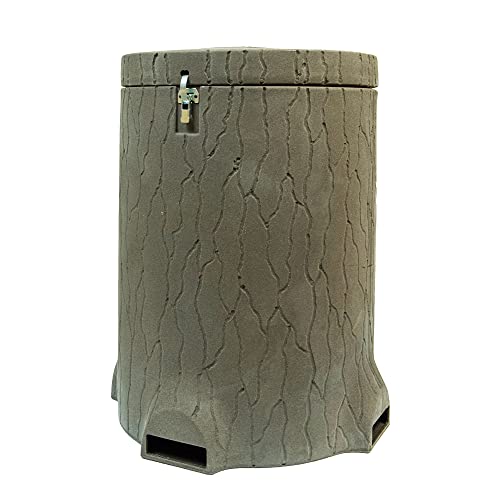
The Banks Outdoors Feedbank Timber features a durable 250+ pound capacity with a watertight cover and UV-stabilized polyethylene construction. Built to endure seasonal weather, its timber-inspired design blends with natural surroundings. The large capacity reduces refill frequency, supporting longer observation or management sessions. Its robust construction aims to resist moisture-related wear while delivering consistent feed distribution to deer and other wildlife.
BUYYAH 95-120lbs Deer Feeder

The BUYYAH gravity deer feeder is built for heavy use, offering a 95-120 lbs feed capacity and a rust-proof alloy steel body with full welding for durability. Four stable legs with pre-drilled holes secure the unit against displacement in muddy or uneven soil, while weatherproof features extend its life across seasons. The design supports easy filling and straightforward maintenance for steady feed supply in remote locations.
Moultrie 30-Gallon Deer Feeder Tripod
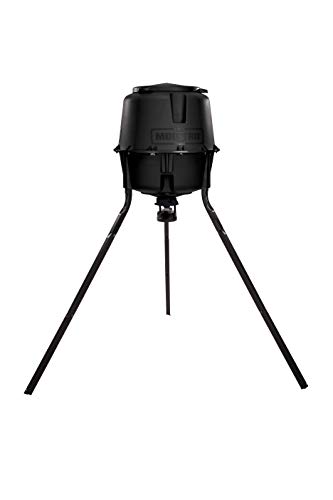
Designed for remote wildlife management, this setup features a 30-gallon hopper holding up to 200 pounds of feed. The Quick-Lock assembly enables fast, tool-free installation and removal, while the digital timer supports up to four feed times per day. Programmable durations between 1 and 20 seconds provide flexible feeding windows, making it suitable for diverse feeding strategies and habitats.
Moultrie 250 lb. Gravity Deer Feeder

This rugged gravity feeder is built for reliability with a 250 lb hopper that accommodates corn or protein pellets. It operates without batteries or electronics, reducing maintenance and failure risk in remote areas. A triple funnel feed system helps control distribution, allowing adaptability to different feed types and improving consistency in deer access during feeding periods.
Buying Guide: Key Considerations for Ground Deer Feeders
- Capacity and refill frequency: Higher capacities reduce maintenance in the field but require more space and sturdier supports. Choose a capacity aligned with deer herd size and feeding frequency goals.
- Feeder type: Gravity feeders are simple and low-maintenance, while programmable or remote-fed units offer scheduling precision. Consider the terrain and whether power options are feasible.
- Durability and weather resistance: Look for UV-stable plastics, corrosion-resistant metals, and robust supports to withstand sun, rain, snow, and wildlife contact.
- Security against displacement: Ground feeders should have stable bases or staking options to resist tipping in muddy or windy conditions. Pre-drilled stake points can help.
- Ease of filling and cleaning: Wide openings and accessible hoppers save time and reduce hassle in field conditions. Easy cleaning reduces disease risk for wildlife.
- Wildlife compatibility: If you have non-target species (birds, squirrels, or livestock), consider designs with baffles, guards, or cages to manage access and protect feed quality.
- Maintenance and spare parts: Check for replacement parts and availability of components (hoppers, funnels, legs) to extend the feeder’s life and minimize downtime.
- Local regulations: Some regions restrict feeding deer or require permits. Confirm compliance with wildlife management rules before installation.
When selecting a ground feeder, balance capacity, durability, and ease of use with your landscape, deer behavior, and maintenance capabilities. The products listed above provide a range of options—from high-tech timed feeders to rugged gravity models—so land managers can tailor feeding strategies to their specific habitat and objectives without relying on expensive or complex setups.