Looking for a ground cover that delivers vivid blue blooms while smoothing gaps in rock gardens, borders, or under shrubs? This guide highlights five reliable options that establish quickly, tolerate foot traffic, and brighten any landscape with blue flowers. Each choice suits different sun, soil, and maintenance preferences, so you can choose the best fit for your planting site and climate.
Buyer note: The top picks here are organized for readers seeking bright blue blooms and easy ground-cover behavior. The table below summarizes each product’s key details to help you compare at a glance.
| Product | Best For | Light | Growth | Hardiness |
|---|---|---|---|---|
| Mazus reptans (Creeping Blue) Groundcover | Fast coverage under paths or rose beds | Full to Part Sun | Low, 0–1” | Zones 5–8 |
| Veronica Penduncularis Georgia Blue | Spring-blue bloom carpet | Full to Partial Sun | Low, 4–6” tall | Zones 5–8 |
| Vinca Minor (Periwinkle) Ground Cover | Dense evergreen mat under shrubs | Full to Partial Sun | Low, 0–1 ft | Zones 3–8 |
| Irish Moss Ground Cover Seeds | Lawn-alternative mat in shade | Partial Shade to Sun | Very low, 1–2” | Zones 3–8 |
| Blue Phlox Seeds | Bright blue accents in borders or containers | Full to Partial Sun | Low to 10” | Annual, depends on climate |
Mazus Reptans Creeping Blue Groundcover

Product overview: Mazus reptans forms a dense carpet of light green leaves with abundant bright blue flowers that appear in late spring to early summer. It is quick to spread by rooting stems, making it an efficient choice for fast ground coverage in moist soil. Suitable for full sun to partial sun and tolerant of light foot traffic. Best for between stones, under roses, or as a rock-garden ground cover.
Who it’s best for: Gardeners seeking rapid coverage along paths or under shrubs, with a preference for bright blue blooms in late spring. Not ideal for drought-prone sites or severe shade.
Why selected: Combines a tight leaf carpet with standout blue blossoms and a tolerance for foot traffic in moist soil, delivering a low-height, high-impact blue accent.
Note / caution: This plant is hardy in zones 5–8 but is not shipped to several western states due to agricultural regulations. Ensure your site maintains consistent moisture for best performance.
1000+ Blue Creeping Thyme Seeds
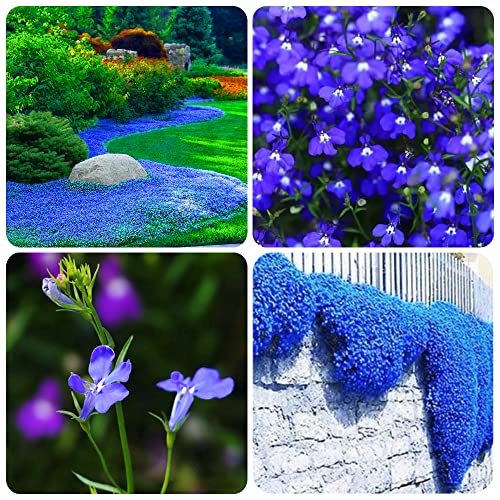
Product overview: Creeping thyme is a low-growing ground cover that produces blue flowers and is commonly used in rock gardens, borders, and along walkways. It tolerates sun and adapts well to containers, with broad appeal for gardeners who want a durable, fragrant, flowering carpet.
Who it’s best for: People aiming for a blue-flowered ground cover that doubles as a spicy-scented, drought-tolerant option in sunny, well-drained beds. Best for moderate foot traffic and warm climates.
Why selected: The sheer volume of seeds supports rapid establishment and wide coverage, enabling large areas to achieve a cohesive blue look quickly.
Note / caution: Some users may prefer slower, more controlled spread; creeping thyme can become sprawling if not managed, particularly in fertile soils.
Vinca Minor Ground Cover (Periwinkle)

Product overview: Vinca minor, or periwinkle, is a classic evergreen ground cover known for its trailing habit and soft, blue-purple flowers in spring. It forms a dense mat, tolerates light foot traffic, and thrives in a range of soil types when provided adequate moisture.
Who it’s best for: Gardeners seeking year-round green coverage with a steady supply of blue flowers in spring, plus evergreen foliage for winter interest.
Why selected: Its evergreen nature ensures year-round presence, while the trailing habit quickly fills in large areas for a cohesive blue backdrop.
Note / caution: Vinca minor can be invasive in some regions if untreated. Consider edging or regular maintenance to keep it contained.
Irish Moss Ground Cover Seeds
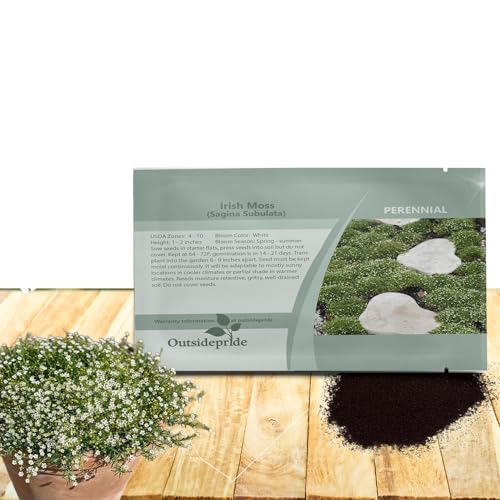
Product overview: Irish moss creates a dense, mat-forming ground cover with a moss-like texture. It’s a popular lawn-alternative for shaded paths and rock gardens, forming a soft green carpet. While it’s not blue, it’s included here for readers considering shade-tolerant blue-tinged accents nearby or a lush underlay for blue-flowering companions.
Who it’s best for: Gardeners seeking a visually soft, shade-tolerant ground cover as a lawn substitute or border filler in woodland or shaded patios.
Why selected: Its dense matting and shade tolerance make it a versatile background plant that can support blue-flowered companions in adjacent beds.
Note / caution: This is not a blue-flowered option; consider placement to complement true blue blooms elsewhere in the bed to maintain color continuity.
Blue Phlox Seeds (Annual)
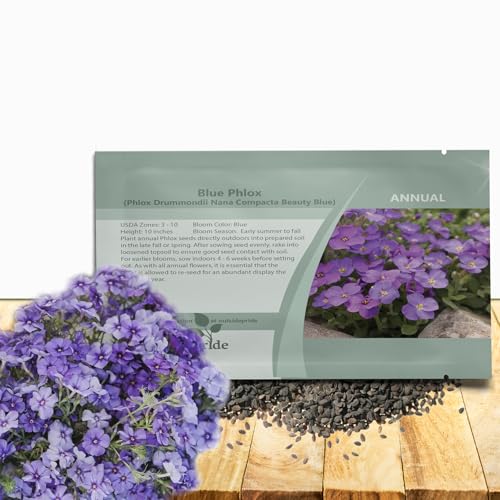
Product overview: Blue phlox seeds offer vibrant blue flowers with a long blooming period typical of Phlox drummondii Nana Compacta. The plants stay compact (about 10 inches tall) and lend themselves to borders, containers, or low, blue-dotted ground cover accents.
Who it’s best for: Gardeners seeking a temporary blue bloom phase with easy sowing and self-seeding potential in sunny to partially shaded borders or containers.
Why selected: The striking blue blooms provide a bright focal point and extend color into the midsummer season.
Note / caution: Being an annual, it will require replanting each year in zones where winter survival isn’t assured; plan for reseeding or replacement in late seasons.
Buying Guide: Key Considerations For A Blue-Flower Ground Cover
Choosing the right blue-flowered ground cover depends on site conditions, growth expectations, and maintenance willingness. Use these practical questions to guide your selection.
- What is my sun exposure and soil moisture like? Some options thrive in full sun with moist soil (Mazus, Veronica), while others tolerate shade better (Irish Moss) or are drought-tolerant (Creeping Thyme).
- What height and spread do I want? For primary ground coverage, consider low-height varieties that form dense mats. For edging or borders, look for trailing or compact cultivars with blue blooms at the edge.
- Am I aiming for evergreen coverage or seasonal color? Vinca minor offers evergreen coverage, while phlox or cilantro-leaning blue flowers may be seasonal.
- Are there traffic considerations? If the area experiences foot traffic, prioritize sturdy ground covers like Mazus or thyme with reinforcement in pathways.
- Could invasive behavior be a concern? Some periwinkles and creeping plants require containment, so plan edging and monitoring to prevent unwanted spread.
How To Plan Your Blue Ground Cover Bed
– Prepare well-drained soil; add organic matter if soil is heavy or compacted. – Space plants according to the expected mature width to avoid crowding. – Water newly planted stock consistently until established, then adjust based on species’ drought tolerance. – In mixed beds, pair blue ground covers with complementary color blooms (whites or yellows) to intensify the blue contrast. – Use mulch to retain moisture and suppress weeds, but keep mulch away from plant crowns to prevent rot.
Care Snapshot By Plant Type
- Mazus reptans: Water regularly until established; tolerates light foot traffic; prefers moist soil.
- Veronica penduncularis: Moderate watering; early-spring to summer blooms; best in well-drained soil.
- Vinca minor: Evergreen structure; moderate maintenance; avoid dense shade that can limit flowering.
- Irish Moss: Shade-friendly; require consistent moisture; not ideal for hot, dry sites.
- Blue Phlox: Annual plant; plan annual reseeding or replacement; thrives in sun to partial shade with well-draining soil.
FAQ: Quick Answers For Blue Ground Covers
- What is the easiest blue-ground-cover for beginners? Mazus reptans offers rapid coverage and straightforward maintenance in moist soils.
- Can blue ground covers tolerate foot traffic? Some like Mazus and creeping thyme handle light foot traffic, while others are best kept to non-walkable areas.
- Are blue ground covers suitable for shade? Irish moss and vinca minor perform well in shade or partial shade, but flowering intensity may vary with light levels.
- Will blue ground covers spread aggressively? Several species spread quickly; plan containment and spacing to prevent overcrowding.
- Do blue ground covers require regular pruning? Evergreen varieties often need little pruning, while annuals or fast-growing types may benefit from light shaping to maintain form.
- Are these plants drought-tolerant? It depends on the species; thyme tends to be more drought-tolerant, while mazus prefers consistent moisture.