Ground cover plants like Vinca Minor, commonly called periwinkle or creeping myrtle, offer fast, low-growing mats that suppress weeds and soften hard landscaping. This article compares five practical options from Amazon, highlighting growth habit, light tolerance, and coverage potential to help you choose the right Vinca minor varieties for your yard.
Summary of chosen products
| Product | Brand | Coverage Notes | Light Tolerance | Availability |
|---|---|---|---|---|
| Bowles Myrtle – Vinca Minor – 48 Plants | Hirt’s Gardens | Early dense coverage; mature height 6″ | Mostly Sunny to Full Shade | In stock |
| Myrtle Vinca/Periwinkle Groundcover 50 Plants | Generic | Flat coverage scale varies by spacing | Part shade to shade | In stock |
| Live Ground-Cover Plants – Vinca Minor + 50 Bare Roots | Greenwood Nursery | Fast-growing matting; evergreen | Full Sun to Full Shade | In stock |
| Live Ground-Cover Plants – Vinca Minor + 200 Bare Roots | Greenwood Nursery | Rapid coverage; robust bare-root bundle | Full Sun to Partial | In stock |
| Vinca Minor Ground Cover (50 Bare Roots) | yunakesa | Seasonal blue blooms; year-round green | Full Sun to Partial | In stock |
Bowles Myrtle – Vinca Minor (48 Plants)
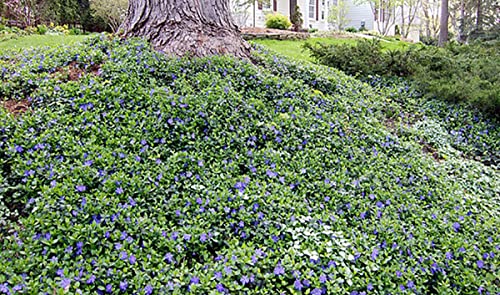
The Bowles Myrtle is a hardy option suitable for both sun and shade, with a mature height around 6 inches. It is recommended to space plants 2-3 feet apart for effective ground coverage. This cultivar tolerates mostly sunny to full shade conditions, making it versatile for borders, slopes, and under trees. Bloom time is late spring to mid-summer, adding seasonal color to the matting foliage.
Key considerations: Plant spacing affects rapid coverage—closer spacing accelerates fill-in while wider spacing lowers upfront costs. The height remains low, preserving sight lines and preventing overgrowth on walkways.
Myrtle Vinca / Periwinkle Groundcover (50 Plants)

This option provides 50 plants in 2″ pots and is noted as evergreen, zone 4-9, suitable for part shade to full shade. It is marketed with spacing guidelines that help estimate coverage: 8″ to 12″ spacing translates into 22.25 to 50 square feet per flat or per 6″ to 12″ spacing. California shipping restrictions are mentioned on this listing, so confirm eligibility before purchase.
Key considerations: It’s important to monitor potential spread, as vinca minor can be vigorous; regular pruning helps maintain uniform look and prevents invasive tendencies in some landscapes. Shade tolerance makes it ideal beneath trees or along fences.
Greenwood Nursery Vinca Minor — 50 Bare Roots
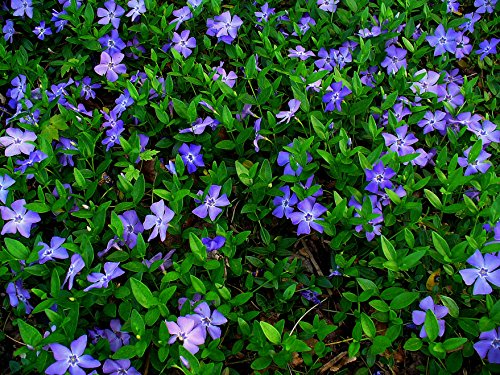
This listing emphasizes a fast-growing habit with evergreen foliage and a strong matting effect. It is described as shade-loving and drought-tolerant once established. The product notes indicate spacing guidance similar to other bare-root vinca minor offerings, with a broad range of light tolerances from full sun to full shade.
Key considerations: Bare-root plants typically establish quickly and spread aggressively after establishment. Monitor for excessive spread in sensitive plantings and consider edging to keep growth under control. Soil should be well-drained to maintain healthy roots.
Greenwood Nursery — 200 Bare Roots Vinca Minor
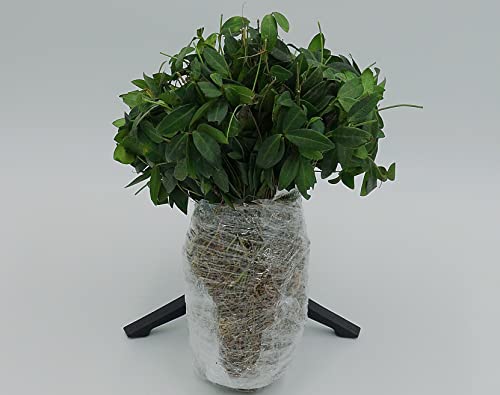
A larger bare-root bundle designed for expansive ground-cover projects. The notes reiterate fast-growing behavior and compatibility with a wide light range, from full sun to partial shade. When planting in bulk, spacing of about 12 inches between bare roots is commonly recommended to achieve even coverage across larger areas.
Key considerations: Large quantities reduce per-plant costs and accelerate landscape completion. It remains essential to manage potential invasiveness through regular pruning and containment in smaller garden spaces. Ensure the planting site has well-drained soil to support root establishment.
yunakesa Vinca Minor Ground Cover (50 Bareroot)

This bareroot option emphasizes seasonal blue blooms in spring and evergreen leaves year-round. The listing cautions about potential shipping delays in peak months (March–May), which could affect project timelines. This cultivar is suitable for full sun to partial shade, offering flexible placement in borders or under trees.
Key considerations: Bareroot plants often establish rapidly but require careful watering during the first weeks. Blooming adds seasonal interest, but even when not in bloom, the evergreen foliage provides year-round coverage and weed suppression.
Buying Guide: Key Purchase Considerations And Comparisons
Light and shade tolerance: Vinca minor thrives in a broad range of light conditions, from full sun to deep shade. For areas with limited sunlight, select cultivars described as shade-tolerant or evergreen in lower light. In sun-drenched areas, ensure soil remains moist during establishment to prevent stress.
Soil and irrigation: Most vinca minor varieties prefer well-drained soil and moderate moisture. Avoid heavy clay or constantly wet soils that can lead to root rot. Mulching helps conserve moisture and suppress weeds, especially on slopes where erosion is a concern.
Growth rate and coverage: Bare-root options often establish quickly and provide fast coverage, ideal for large landscape projects. Potted transplants may fill in more slowly but are easier to transport and plant in precise locations. Consider spacing carefully; typical spacing ranges from 8 to 12 inches for rapid fill-in, or 12 inches or more for gradual coverage.
Bloom color and aesthetics: Vinca minor commonly displays blue or purple flowers in spring and early summer. While blooming is a bonus, the evergreen foliage provides year-round ground-cover benefits even when not in bloom.
Invasiveness and containment: Vinca minor can spread aggressively in favorable conditions. Use edging, planters, or regular pruning to keep plantings contained to desired areas. This is especially important in larger installations (e.g., 100+ bare roots or flats) to maintain uniform appearance.
Hardiness and climate: Vinca minor is hardy in zones 3–8, with variations in tolerance depending on cultivar and local microclimates. If you are in a warmer zone or near heat-retaining surfaces, provide adequate moisture to support survival in extreme heat.
Delivery considerations: Some listings note restrictions or delays, particularly for certain states or peak shipping windows. Plan plantings with these notes in mind to avoid delays that could stress new transplants.
Maintenance and care: After establishment, vinca minor requires minimal maintenance. Periodic pruning helps maintain a tidy mat and prevents overgrowth along pathways. Fertilization is usually light and only as needed for general health and color bloom.
Availability and value: Large bundles (such as 100–200 bare roots) offer cost savings on large projects but require more storage and effort during planting. Smaller batches suit borders, paths, and accent placements with quicker replacements if needed.
Choosing the right option depends on project size, light conditions, and desired speed of coverage. For quick transformation of a wide area, bare-root bundles with twelve-inch spacing provide rapid mats. For smaller beds or container-friendly setups, potted options ease handling and placement while delivering steady growth.