Answering the common question of which green cover crop seeds to buy for a productive, low-maintenance garden: these five selections offer diverse blends that improve soil fertility, reduce erosion, and suppress weeds. They’re well-suited for no-till beds, raised gardens, and larger plots. Each option suits a different gardener profile—from hobbyists seeking easy, fast-growing mixes to larger farms needing robust soil-building blends. The brief table below helps compare key traits at a glance.
| Product | Best For | Planted Area | Growing Window |
|---|---|---|---|
| No-Till Garden Farm and Garden Cover Crop Mix Seeds | Soil enrichment and weed suppression | Large beds, raised beds | 30-70 days |
| No-Till Cover Crop 13-Seed Mix | Balanced nutrient mix | Varied garden plots | Spring to fall |
| Cover Crop Seed Blend by Eretz (8oz) | Non-GMO, high diversity | Home gardens, small plots | Seasonal cycles |
| No-Till Forage Friendly Cover Crop Seed Mix | No-till suitability with winterkill | Small to medium plots | Year-round (depends on climate) |
| Outsidepride Gardenway Cover Crop Seeds | Nutrient-rich blend | Vegetable gardens, lawns | Adaptable per region |
No-Till Garden Farm And Garden Cover Crop Mix Seeds

This 9-seed, non-GMO and heirloom blend combines Austrian field pea, hard red winter wheat, triticale, daikon radish, hairy vetch, crimson clover, berseem clover, yellow mustard, and collard greens. Best for gardeners seeking strong soil-building, weed suppression, and diverse root structures. Deep-rooted radish and legumes work together to improve tilth and nutrient availability. Some varieties may overwinter in mild climates, so plant timing matters for overwintering whether you’re in a warmer or cooler region.
Who it’s best for: hobbyist to small-farm gardeners who want a robust, all-purpose cover crop mix that performs in no-till systems. Why selected: wide species diversity supports nitrogen fixation and soil structure improvement in a single sowing.
Caution: because this blend includes multiple warm-season and cool-season species, timing and mulch management are important to avoid oversowing or tangled growth in tight spaces.
No-Till Cover Crop 13-Seed Mix (1 lb. Bag)
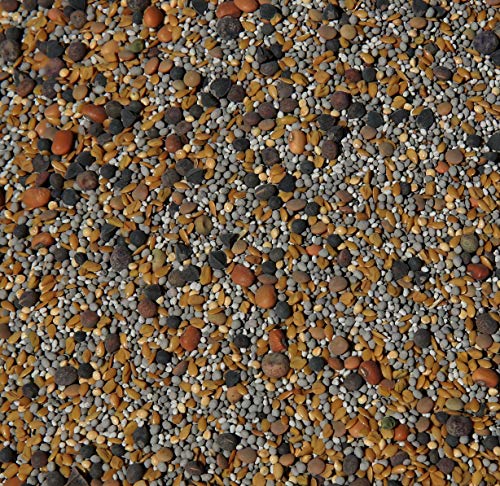
This 13-seed mix points to a balanced approach with clovers, vetch, flax, cowpeas, buckwheat, forage peas, millet, lentils, and crimson clover. Best for gardeners who want a compact, all-purpose blend with a strong emphasis on clovers and legumes for nitrogen fixation. It’s described as high-quality, nitro-coated, and all-natural, with USA-sourced seeds. Best for home gardens or small plots that require reliable soil improvement without complex maintenance.
Who it’s best for: growers needing a lighter, ready-to-use bag with a focus on clover and legume content. Why selected: widely adaptable for varied climates and simple to sow.
Caution: lack of detailed climate-specific guidance means test a small area first to verify winter survival in your zone.
Cover Crop Seed Blend by Eretz (8oz)
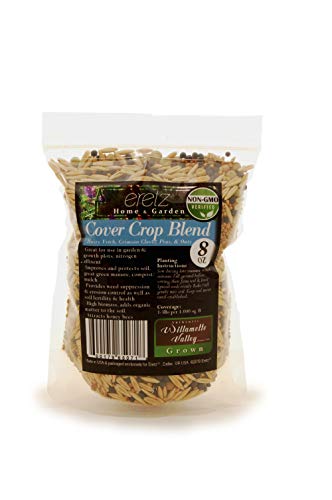
Willamette Valley, Oregon-grown blend from Eretz features hairy vetch, crimson clover, peas, and white oats in a balanced 25% each mix. This premium blend emphasizes green manure, composting, mulch, and erosion control. It improves soil by adding biomass and organic material and suppressing unwanted growth. Best for gardeners seeking a non-GMO, filler-free blend with a strong emphasis on soil-building biomass.
Who it’s best for: organic gardeners and soil-first growers who want a clean, no-fillers blend. Why selected: consistent Willamette Valley sourcing supports stable germination and biomass production.
Caution: in hotter climates, oats can compete with slower-growing legumes; monitor growth to ensure even establishment.
No-Till Forage Friendly Cover Crop Seed Mix

This 5 lb mix covers 1,000 square feet and includes nine winter-kill varieties designed for no-till systems. The blend features oats, cowpeas, fenugreek, lentils, millet, radish, brown flax, turnips, and mustard. It’s positioned for regions where winter-killing annuals are advantageous for spring planting and soil restoration. Best for gardeners who want a winter-kill option that reduces residue management in cooler zones.
Who it’s best for: no-till practitioners who want predictable winterkill behavior to simplify spring prep. Why selected: reduces ongoing maintenance by naturally resetting soil cover after winter.
Caution: winterkill behavior varies by zone; in warmer areas, some varieties may persist longer than expected, altering spring readiness.
Outsidepride Gardenway Cover Crop Seeds

The Gardenway mix blends triticale, peas, oats, hairy vetch, annual ryegrass, and crimson clover for a nutrient-rich cover crop. It’s versatile for vegetable gardens, flower beds, and home lawns, providing erosion control, weed suppression, and nitrogen fixation. Best for gardeners seeking a single, all-purpose mix to support soil health across multiple garden zones.
Who it’s best for: home gardeners who want a broad-use, easy-to-manage cover crop. Why selected: broad plant diversity supports biomass and soil structure without specialized sequencing.
Caution: as a multi-species blend, timing and mowing may be necessary to prevent dense matting in small plots.
Outsidepride Crimson Clover Seeds (1/4 lb)

These crimson clover seeds are high-protein and nutrient-rich, suitable for lawn, cover crops, pasture, hay, and wildlife forage. The versatile seed is ideal for late-season grazing and soil improvement. Best for gardeners needing a fast-establishing legume that also supports pollinators and wildlife while boosting soil nitrogen.
Who it’s best for: wildlife-friendly plots and forage-focused gardens. Why selected: clover’s quick establishment and nitrogen contribution are clear advantages for soil health.
Caution: for regions with extended heat, crimson clover may require timing adjustments to avoid rapid bolting or low winter survivability.
Outsidepride Crimson Clover Seeds – 10 lbs

This generous 10-pound option offers a reliable crimson clover seed supply for larger plots, with the same high-protein benefit and soil-improvement potential as smaller bags. Best for users who need a scalable cover crop program across multiple beds or a long-term seed reserve for annual rotations.
Who it’s best for: larger gardens, farms, or community plots where extended cover crop programs are planned. Why selected: bulk packaging reduces reordering frequency while delivering proven soil benefits.
Caution: storage quality matters; keep seeds in a cool, dry place to maintain germination rates in the long term.
Buying Guide: Green Cover Crop Seed Essentials
- Define your goal: soil structure, erosion control, nitrogen fixation, or weed suppression. Different blends optimize different outcomes.
- Consider climate and timing: some mixes emphasize winter-kill behavior, others favor perennials or longer growing windows. Zone-specific timing matters.
- Choose seed diversity: multi-species blends add resilience and layered root systems, while single-species options can target a particular soil need more precisely.
- Assess space and management: no-till beds and raised beds benefit from blends with fast establishment and low maintenance, whereas larger plots can handle more complex mixes.
- GMO and sourcing: some blends are Non-GMO and regionally sourced, which may align with organic gardening goals.
- Seed handling: check germination rates, seed size, and whether coatings (like nitro-coating) are present, as these affect sowing density and establishment.
Frequently Asked Questions
- What is the primary purpose of green cover crop seeds? They improve soil health by fixing nitrogen, reducing erosion, increasing organic matter, and suppressing weeds.
- How do I choose between a 9-seed and a 13-seed mix? A 9-seed blend offers diversity with a focus on particular soil benefits, while a 13-seed mix provides broader nutrient coverage and resilience across conditions.
- Can I use these seeds in a no-till garden? Yes, all listed blends are suitable for no-till or reduced-till systems, with adjustments for climate and timing as needed.
- Will these mixes overwinter in my region? Winter-kill blends reduce residue management in cooler zones, while some mixes may persist in milder climates.
- Are these blends organic or Non-GMO? Several blends specify Non-GMO and/or no fillers; always check product details for certification and sourcing.