Cultivating green beans is a reliable way to add fresh produce to meals and teach kids about gardening. This guide highlights five top green bean seed selections tailored for American gardeners, from bush varieties that work in smaller spaces to pole types ideal for trellises. Each pick emphasizes strong germination, flavor, and adaptability to varying climates. Use the product summaries below to compare germination rates, growth habits, and harvest windows so you can choose seeds that fit your yard, balcony, or community garden.
| Product | Type | Growth | Germination Tips |
|---|---|---|---|
| Sow Right Seeds Contender | Bush | Compact, 12-22″ tall | Germinates in 7-12 days at 65-75°F |
| Seedboy Provider Green Bean | Bush/Indoor-Outdoor | Versatile, container-friendly | 45 seeds per packet; organic and non-GMO |
| HOME GROWN Contender Bush Bean | Bush | Fast-growing, 60-75 days to maturity | High germination rate |
| Back to the Roots Kentucky Wonder | Pole | 7-10″ long pods; vining | Heirloom, organic |
| RDR Seeds Provider | Bush | Early maturing | Crips texture and flavor |
Sow Right Seeds Contender Bush Bean Seeds
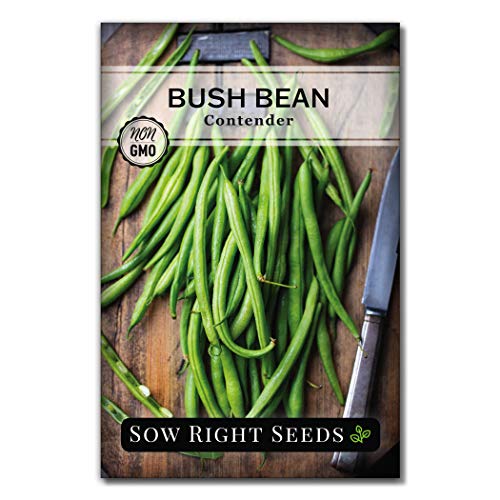
The Contender bush bean from Sow Right Seeds is a reliable, stringless variety designed for home gardens. With 16.5g per packet and about 30 seeds, this selection focuses on early maturity and high yields. The beans reach 5-8 inches in length and retain flavor after freezing or canning, making it suitable for year-round use. Germination typically occurs in 7-12 days when the soil is between 65° and 75°F. Plant 1 inch deep and space 3-4 inches apart in full sun. Plants grow 12-22 inches tall with a 16-20 inch spread and reach maturity in 60-75 days, across USDA zones 3-10.
In practical terms, Contender adapts well to short, cool seasons or hot weather, giving gardeners flexibility. The stringless pods simplify harvest and cooking, appealing for families and beginner gardeners who want quick, visible results. Its versatility makes it a staple for garden rows and raised beds alike, and beans hold up well to freezing or canning for long-term storage.
Seedboy Organic Provider Green Bean Seeds

Seedboy offers Provider Green Bean seeds that are USDA Certified Organic and Non-GMO, grown in the USA. This packet provides 45 seeds (about 15 grams), suitable for indoor or outdoor gardening, raised beds, containers, balconies, or hydroponic setups. A standout feature is the germination guarantee: if seeds don’t sprout, Seedboy will replace them. This makes planning and budgeting easier for the home gardener. The seed count and organic certification make this option appealing for organic-focused gardens and educational projects for kids and beginners alike.
These seeds are versatile for different environments, including hydroponics, which broadens planting options for urban spaces. The combination of Non-GMO and USDA Organic certification supports consumer demand for transparency and sustainability. The company’s replacement promise adds a layer of confidence for gardeners who want a reliable start to their crops and a straightforward path to a bountiful harvest.
HOME GROWN Contender Bush Bean Pack

The HOME GROWN Contender Bush Bean Pack focuses on high germination and a fast-growing habit. This non-GMO heirloom variety emphasizes tender green beans with robust flavor. The pack is geared toward home gardens seeking reliable performance in a bush growth habit, which typically requires less staking than pole beans. Gardeners can expect prompt germination and a productive harvest window, contributing to a steady supply of fresh beans for family meals.
As a bush bean with strong endurance, Contender offers a straightforward cultivation approach: plant shallowly, space adequately, and provide full sun. The emphasis on early maturity and high yields makes this option attractive for gardeners with limited space or shorter growing seasons who still want consistent results from their vegetable patch.
RDR Seeds Provider Green Bean Seeds
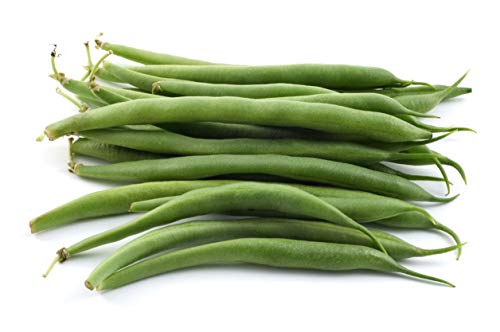
The Provider line from RDR Seeds highlights a bush bean that matures early with a crisp texture and fresh flavor. The seed packet emphasizes reliability, making it a popular choice for gardeners who want a steady harvest without complex cultivation. Its early maturity helps in regions with shorter growing seasons, enabling an earlier return of harvests and the chance to plant successive crops in warm months.
RDR Seeds notes that this variety pairs well with other garden crops like corn, potatoes, and cabbage, offering a complementary harvest schedule. The product’s focus on early yields and consistent performance helps new gardeners build confidence while expanding seasoned plots with dependable greens for stews, salads, and side dishes.
Kentucky Wonder Pole Bean Seed
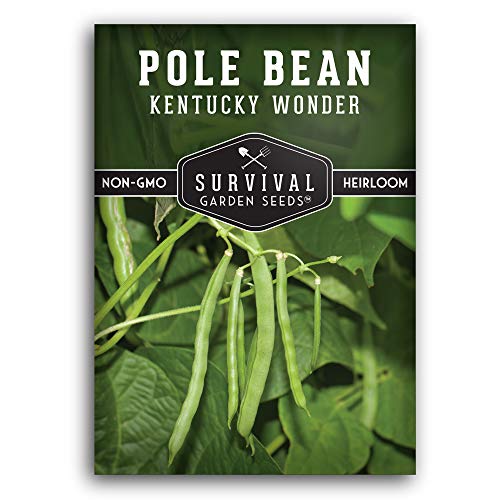
The Kentucky Wonder Pole Bean is a classic heirloom choice for gardeners seeking a climbing bean with substantial yields. Pole beans require a trellis or support, but their long pods can reach 7-10 inches and deliver prolific harvests when given sunny, warm conditions. Germination typically occurs within 7-10 days, and the crop matures in about 58-67 days. Each pack contains a robust number of seeds to sustain a busy garden throughout the season.
Cultivation benefits include a continued harvest over several weeks, with the climbing vines adding vertical space efficiency to gardens with limited ground area. Kentucky Wonder is well-regarded for flavor and versatility in cooking, from fresh immediate consumption to freezing or canning afterward. Gardeners should provide consistent moisture and support, and practice regular picking to maximize yields.
Buying Guide
Key considerations when choosing green bean seeds include growth habit, space, climate, and harvest goals. Bush beans are compact and ideal for containers and small plots, while pole beans require trellising but offer extended harvests and longer vines. Consider your growing season length and average temperatures to match germination and maturity timelines with your local climate.
Seed quality and certification impact reliability. Non-GMO and organic certifications reassure buyers about farming practices, while a germination promise from suppliers can reduce risk for beginners. Seed counts per packet matter for planning planting density and garden size. For indoor gardening or hydroponics, ensure seeds are suitable for controlled environments and containers.
Flavor, texture, and intended use influence seed choice. Some varieties yield stringless pods or offer long, tender pods ideal for fresh eating, while others perform best in freezing or canning. Family considerations, such as kid-friendly colors or educational aspects, can guide varieties like tri-color blends or window-box friendly options. Finally, assess long-term garden goals, such as perennial planting, succession planting, and compatibility with other crops in your raised bed or row garden.