Choosing grass seed that thrives in shade can transform dim, under-tree patches into lush, green areas. This guide highlights five proven options that perform well in low-light conditions, balancing shade tolerance with durability and ease of establishment. Below is a quick summary of the selected products to help you compare at a glance.
| Product | Brand | Key Benefit |
|---|---|---|
| Pennington Smart Seed Dense Shade Grass Mix | Pennington | Tall and Fine Fescue blend for shady areas |
| Scotts Turf Builder Grass Seed Sun & Shade Mix | Scotts | Root-building nutrients for deep roots in sun or shade |
| Jonathan Green (10600) Black Beauty Dense Shade | Jonathan Green | Shade-tolerant, dark-green, quick establishment |
| Scotts Kentucky 31 Grass Seed Mix | Scotts | Heat and drought tolerance with shade tolerance |
| Pennington Kentucky 31 Tall Fescue Penkoted | Pennington | Durable, economical tall fescue for lawns |
Pennington Smart Seed Dense Shade Grass Mix Bag 7 lb
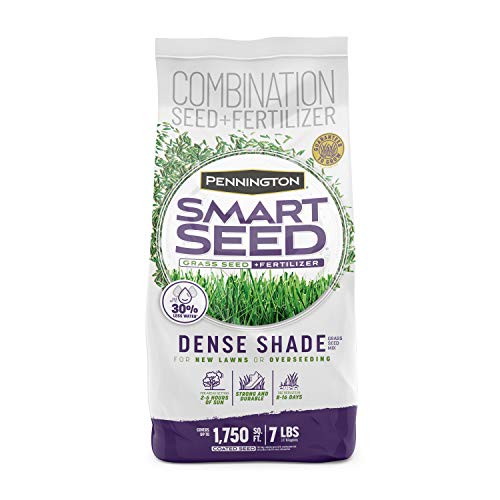
Product features include a strategic blend of Tall Fescue and Fine Fescue designed to flourish in shady areas. It promotes thick, green growth in parts of the lawn that receive limited sunlight and includes an appropriate amount of fertilizer to help established turf succeed. This mix targets under-canopy zones where light is scarce and provides a resilient stand of grass with improved shade tolerance.
Scotts Turf Builder Grass Seed Sun & Shade Mix with Fertilizer and Soil Improver

This mix is designed for a broad range of conditions, combining seed, fertilizer, and soil improver to encourage deep root development. It’s suited for areas that experience full sun and dense shade alike, providing medium drought resistance and durability to support a healthier lawn across varied light levels.
Jonathan Green (10600) Black Beauty Dense Shade Grass Seed

Shade-tolerant seed mix designed for lawns with limited sun, ideal under trees or near buildings. Produces a dense, dark-green lawn with quick establishment, typically germinating in about 14–21 days. Endophyte-enhanced varieties offer improved resilience and disease resistance in challenging shade environments.
Scotts Kentucky 31 Grass Seed Mix for New Lawns or Overseeding

Blend features premium Tall Fescue with Annual Ryegrass and Kentucky 31 Tall Fescue for a balance of quick establishment and long-term durability. Suitable for full sun and moderate shade, offering improved weed resistance and a robust, thick lawn once established.
Pennington Kentucky 31 Tall Fescue Penkoted Grass Seed 7 lb

Kentucky 31 Tall Fescue, the original home lawn turf, offers durability and economical performance. Tall blades provide a sturdy stand up to hot summers and heavy rainfall, making it a solid choice for shaded patches that still experience seasonal heat or moisture challenges.
Buying Guide: Key Considerations For Shade-Tolerant Lawn Seeds
- Shade tolerance: Look for seed blends specifically described as shade-tolerant or designed for sun and shade mixes. The spectral needs of your lawn’s shade source (trees, structures, or eaves) influence outcomes.
- Grass type balance: Tall Fescue, Fine Fescue, and other cool-season grasses often perform best in shady areas. Blends combining tall and fine fescue can provide a dense, dark-green turf with improved shade endurance.
- Germination and establishment: Seed mixes with shorter germination windows (roughly 10–21 days) help establish turf more quickly, reducing weed invasion and soil erosion in shady spots.
- Soil and nutrient considerations: Some products include soil improvers and starter fertilizers. For shady lawns, ensuring adequate soil quality and moisture is as important as seed selection.
- Water needs: Shade reduces evaporation but can also slow establishment. Choose blends with modest moisture requirements and be prepared to adjust irrigation to avoid both drought stress and oversaturation.
- Maintenance expectations: Shade-tolerant grasses may grow more slowly and tolerate lower mowing heights. Plan for gradual mowing schedules and avoid scalping the lawn, which can stress shade-tolerant varieties.
- Climate compatibility: Consider your regional climate. Cool-season grasses (like Tall Fescue and Fine Fescue) perform best in temperate zones and may struggle in hot, humid climates without proper moisture management.
- Longevity and durability: In areas with partial shade and foot traffic, select blends noted for durability and wear resistance to maintain a healthy, even appearance over time.