Hillsides pose unique challenges for lawn establishment, including erosion, rapid drainage, and uneven sunlight. The right grass seed blends, soil improver, and care can help stabilize slopes while delivering a lush, durable lawn. The products below are selected for slope tolerance, sun exposure versatility, and soil improvement benefits. Use the buying guide at the end to compare options and choose based on climate, sun, and maintenance needs.
| Product | Brand | Key Benefit |
|---|---|---|
| Scotts EZ Seed Patch & Repair Sun and Shade | Scotts | Mulch expands; tackifier resists washing on slopes |
| Pennington Smart Seed Dense Shade Grass Mix | Pennington | Shade-tolerant blend for limited sun areas |
| Pennington Kentucky 31 Tall Fescue | Pennington | Durable, drought-tolerant tall fescue for slopes |
| Scotts Turf Builder Grass Seed Sun & Shade Mix | Scotts | Root-building nutrition; adapts to sun and shade |
| Jonathan Green Black Beauty Dense Shade | Jonathan Green | Shade-tolerant, dense growth with quick establishment |
Note: Product presentations below draw from the listed options to illustrate how each product can address hillside conditions. Always follow label directions for location, soil prep, and watering to maximize establishment on slopes.
Scotts EZ Seed Patch & Repair Sun and Shade
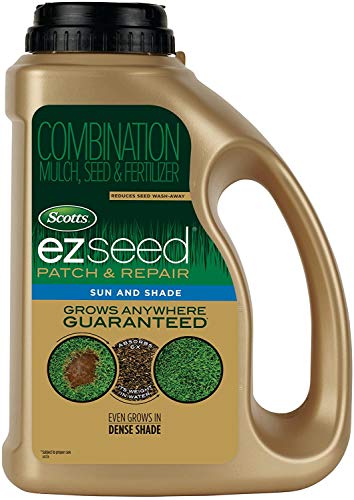
Scotts EZ Seed Patch & Repair combines high-performance grass seed with expanded mulch, controlled release fertilizer, a tackifier, and a protective layer. This design helps seedlings stay in place on slopes and resist washing by wind and water. It supports growth in both sun and shade, making it adaptable for hillside lawns affected by varying sunlight. The blend is intended to repair bare spots and damaged turf while encouraging robust root development. For hillside use, the tackifier and mulch assist erosion control during initial establishment, with fertilizer aiding early growth.
Pennington Smart Seed Dense Shade Grass Mix
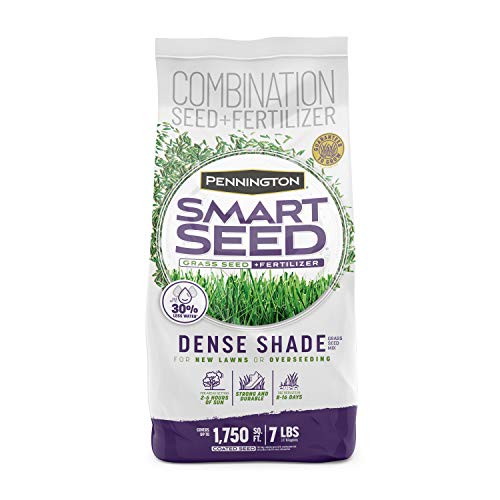
This blend emphasizes shade tolerance with Tall Fescue and Fine Fescue, ideal for portions of hillsides that receive limited sunlight due to trees or structures. The seed mix aims to establish thick, green turf in low-light conditions, which can help stabilize soil on slopes and reduce erosion. It contains an appropriate amount of starter fertilizer to support early growth, helping seedlings quickly fill in uneven areas and improve hillside resilience against wind and surface runoff.
Pennington Annual Ryegrass Seed

Pennington Annual Ryegrass is well-suited for overseeding southern lawns during cooler months, bringing visible green color in 3 to 7 days under sun exposure of 6–8 hours. While ryegrass is not a permanent slope solution alone, it can be used as a quick-establishing layer on hillsides before introducing a longer-term cool-season or warm-season mix. It provides rapid germination to help control erosion while a longer-term seed mix gets established in subsequent seasons.
Pennington Kentucky 31 Tall Fescue Penkoted

Kentucky 31 Tall Fescue remains a classic choice for durable home lawns, including slopes. This tall fescue variety is known for thick blades that withstand heat and heavy rainfall, making it suitable for hillside conditions where soil may experience quick drainage and temperature fluctuations. The seed is economical and creates a robust lawn that can adapt to varying sun exposure while resisting some drought stress, aiding hillside stability over time.
Scotts Turf Builder Seed Sun & Shade Mix

This Scotts blend is designed to flourish in both sun and shade, with a root-building nutrition profile to establish deep roots and a durable lawn. It is particularly useful on slopes where root depth helps resist erosion and withstand heavy rainfall. The combination of seed, fertilizer, and soil improver makes it a practical all-around hillside solution that balances erosion control with long-term turf health, suitable for mixed sun regimes common on hillsides.
Jonathan Green Black Beauty Dense Shade

Jonathan Green Black Beauty Dense Shade is a cool-season mix designed for shady hillside spots where sunlight penetration is limited. This blend emphasizes a dark green appearance and quick establishment, aided by endophyte-enhanced seeds for improved turf vigor. It is well-suited for areas shaded by trees or structures, helping hillside lawns maintain color and density where sun is scarce, while also contributing to erosion reduction with a sturdy, thick turf.
Buying Guide: Key Factors For Hillside Grass Seed
- Sun exposure: Identify zones with full sun, partial sun, or dense shade. Choose blends formulated for the respective light levels to maximize establishment and reduce thinning on slopes.
- Soil and drainage: Slopes often have quick drainage and thinner topsoil. Look for seed mixes that include root-building nutrition or soil improvers, and consider erosion-control mulches or tackifiers to minimize runoff during rain events.
- Root depth and blade strength: Deep roots help anchor soil on hillsides, while sturdy blades resist wind and foot traffic. Tall fescue and certain turf mixes are known for durability in slope conditions.
- Germination speed: For erosion-prone slopes, faster establishment reduces exposed soil time. Ryegrass offers rapid greening, while fescue blends balance speed with long-term durability.
- Maintenance needs: Some blends demand more water or fertilizer. Assess your climate, watering capabilities, and maintenance routine to select a sustainable option.
- Shade tolerance: If your hillside is shaded by trees or structures, prioritize shade-tolerant mixes to achieve uniform coverage and reduce thin patches that invite erosion.
- Soil preparation: Before reseeding, consider grading, aeration, and soil amendments. A light topdressing with compost can improve seed-to-soil contact and nutrient availability.
- Seasonality: In warm climates, spring or early fall seeding is common. In cooler climates, fall seeding often yields better germination before winter dormancy.
Choosing the right grass seed for hillsides depends on sunlight, soil grade, and maintenance capacity. The products listed cover a spectrum from rapid greening and erosion control to shade tolerance and drought resilience. For best results, blend a quick-germinating layer with a longer-term, root-dense mix to stabilize slopes and establish a durable, attractive lawn.