Dry, sandy soils can challenge lawn maintenance, but the right seed blends can establish a durable, low-maintenance lawn. The selections below emphasize drought tolerance, sun exposure, and minimal watering needs, helping you choose seeds that perform well in sandy, low-moisture conditions. Each option includes a brief look at its strengths, ideal planting scenarios, and what to expect during establishment.
Summary Table of Selected Products:
| Product | Brand | Type | Best For | Shade/Drought Tolerance |
|---|---|---|---|---|
| JRK Sandy Soil Grass Seed Mix – 10 lbs | JRK SEED | A mix designed for sandy soil | Sunny to partial shade; low maintenance | High drought tolerance |
| JRK 4 Fescue, Low Grow No Mow Grass Seed Mix – 3 lbs | JRK SEED | Fescue blend | Bare ground or low-maintenance areas | Good drought tolerance; low mowing |
| Pennington Smart Seed Sun and Shade Grass Mix 3 lb | Pennington | Hybrid blend | Sun to moderate shade | Balanced drought resistance |
| Scotts Turf Builder Grass Seed Sun & Shade Mix with Fertilizer and Soil Improver, 5.6 lbs | Scotts | Seed + fertilizer | Mixed sun/shade plots | Strong root development; good drought resilience |
| Jonathan Green Fast Grow Grass Seed – Cool Season Lawn Seed (3 lb) | Jonathan Green | Cool-season blend | Rapid establishment in sun to light shade | Responsive in varying moisture |
JRK Sandy Soil Grass Seed Mix – 10 lbs

Designed specifically for sandy, low-moisture conditions, this mix prioritizes moisture retention and early establishment in sun and partial shade. It’s marketed as a low-maintenance option with a focus on areas that struggle with water retention. For best results, fertilize twice a year and follow recommended watering during germination and root formation.
JRK 4 Fescue, Low Grow No Mow Grass Seed Mix – 3 lbs
This low-grow fescue blend suits sandy soils where less mowing and maintenance are desired. It performs well as ground cover, with drought tolerance that helps sustain color and density in dry periods. Bare ground preparation enhances germination and establishment, and moisture management is key during the initial weeks.
Pennington Smart Seed Sun & Shade Grass Mix 3 lb

Pennington Smart Seed blends are designed to thrive in sun and moderate shade, combining tall fescue, perennial ryegrass, Kentucky bluegrass, and fine fescue. The inclusion of a balanced fertilizer helps seed-to-soil establishment in drier soils while supporting steady root growth. Suitable for lawns receiving varying sun exposure with drought considerations.
Pennington Smart Seed Sun & Shade Grass Mix 3 lb
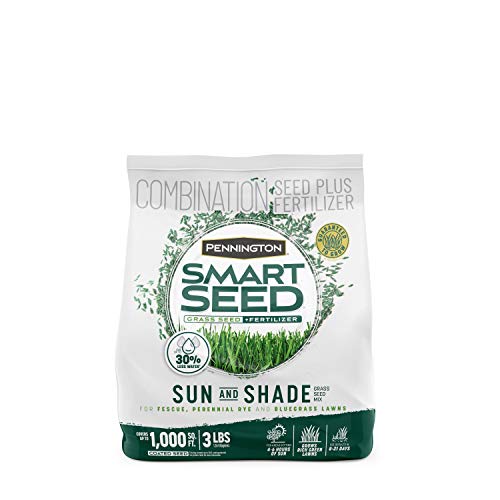
This option emphasizes a robust blend for sun and shade with a focus on establishment in mixed light conditions. The seed mix includes varieties chosen for resilience against heat and drought while maintaining a healthy green appearance in diverse settings. It balances ease of care with durable turf performance.
Scotts Turf Builder Rapid Grass Sun & Shade Mix
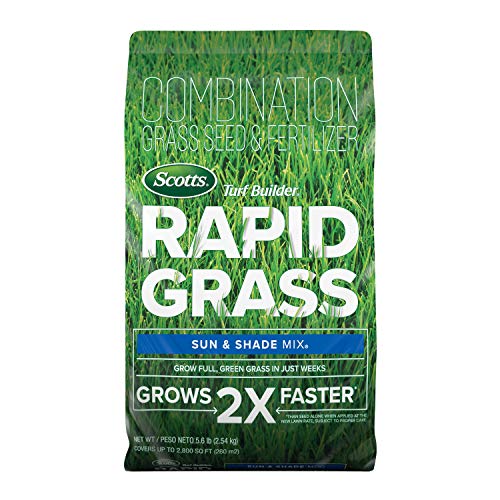
This seed-and-fertilizer product is designed to establish turf quickly in sun or shade. Its rapid growth claim makes it a strong candidate where timely results are desired in dry conditions. Root-building nutrition aids drought tolerance, and the mix supports dense turf once established.
Jonathan Green Fast Grow Grass Seed

Jonathan Green’s Fast Grow blend is engineered for rapid germination and establishment, making it suitable for sun-drenched areas with moderate shade. It combines tall fescue and fine fescues to yield a dense, dark-green lawn. The schedule suggests mid-season application windows for optimal germination and sustained growth in varied moisture conditions.
Buying Guide: Key Purchase Considerations For Dry Sandy Soils
- Soil type compatibility: Look for seed blends labeled for sandy soils or drought tolerance. These mixes typically include varieties known to establish quickly and utilize water efficiently.
- Sun exposure: Choose seeds with components that tolerate full sun or partial shade. Sandy soils heat up quickly and can dry out fast, so blends designed for sun and light shade often perform best in exposed lawns.
- Establishment speed: If you need a faster green, consider blends that advertise rapid germination, such as mixes with perennial ryegrass or fast-germinating fescues. Align expectations with maintenance plans to avoid overwatering.
- Watering and fertilization: Some products include starter fertilizer or soil improver. Follow label directions to avoid fertilizer burn and to support root establishment in sandy, nutrient-light soils.
- Mowing requirements: Low-grow or no-mow mixes reduce maintenance but may require careful soil prep and consistent moisture during establishment.
- Shade tolerance vs. drought tolerance: For dry, sandy sites, prioritize drought-tolerant components but consider the shade profile of the area to balance growth and density.
- Maintenance realism: In sandy soil, expect more frequent irrigation at first and periodic overseeding to maintain density, especially after heat waves or drought periods.
- Seed longevity and cost: Hybrid blends with a mix of grasses may perform better long-term in sandy soil, but ensure the blend suits your climate zone and lawn usage.
- Establishment window: Cool-season blends germinate best in specific seasons; warm-season options may behave differently in your regional climate. Time your sowing to optimize moisture and temperature ranges.
In all cases, follow the product-specific planting instructions, including soil preparation, seed depth, and watering schedules. For sandy soils, lightly firm the soil after seeding, ensure consistent moisture during germination, and gradually reduce irrigation as roots establish. Regular monitoring for pests and disease remains important, as stressed grasses are more vulnerable.