Maintaining a green, stable slope can be challenging, but selecting the right materials and tools makes a big difference. This guide highlights practical products that help stabilize slopes, promote grass growth, and prevent erosion. From heavy-duty ground grids that reinforce soil to erosion blankets that protect seedings, you’ll find durable, DIY-friendly options. We also include a robot mower for slopes to keep grassy banks neatly trimmed without constant manual effort. Read on to compare features and find the best fit for your terrain and climate.
| Product | Brand | Key Benefit |
|---|---|---|
| Geo Ground Grid 36×4 FT | Kerty | Heavy-duty load-bearing and slope stabilization |
| Gravel Grid 9x17FT Geo Ground Grid | Suninlife | Expandable, easy-cut for DIY slope reinforcement |
| Straw Matting Rolls | Sandbaggy | Erosion control and seedbed protection on slopes |
| VEVOR Gravel Grid 4 Inch Depth | VEVOR | Permeable, strong, suitable for varying slope grades |
| UBHOME Robot Lawn Mower | UBHOME | Remote, wire-free mowing for steep lawns |
Notes: The products below are selected for slope stabilization, grass establishment, and maintenance in mixed terrains. Always follow manufacturer installation guidelines and consider local climate, soil, and drainage. The aim is to combine physical stabilization with vegetation to minimize runoff and promote healthy turf on slopes.
Geo Ground Grid 36×4 FT by Kerty

The 4″ thick Geo Ground Grid from Kerty is a modular gravel grid system designed to reinforce driveways, walkways, and slope areas. Built from high-density polyethylene (HDPE), the grid is strong and recyclable with resistance to deformation, oxidation, and aging. The system ships as three 12×4 FT sections, totaling 144 square feet, and each expanded cell measures 13×13 inches and stands 4 inches high. The modular design allows for flexible layout on uneven slopes, and the foldable structure makes storage and transport straightforward. When used on a slope, the grid helps distribute load and reduce soil movement, which in turn aids grass establishment by providing a stable seedbed and preventing washouts.
In terms of installation and adaptability, this grid is designed for DIY projects. It can be cut or trimmed to fit irregular terrain, and the seamless connection buckles help maintain a stable grid layout across graded areas. The load-bearing claim is notable: when filled, it can support up to 1885 lbs per square foot, making it a robust option for light to medium vehicle traffic and heavy equipment in some cases. For slope projects, this strength translates into better erosion control and consistent substrate for grasses or ground covers to establish roots. Use with soil, gravel, or grass fill to suit your slope stabilization strategy.
A key advantage is eco-friendliness: HDPE is recyclable and resilient, providing a sustainable solution for long-term slope management. While installation on a steep grade may require extra staging and fill, the grid’s high strength-to-weight ratio helps reduce the time and effort needed to stabilize the area. Pair this grid with a rain-ready drainage plan and seeding schedule to maximize turf establishment and slope stability over seasons.
Gravel Grid 2″ Thick by Suninlife

The Gravel Grid 2″ Thick Geo Ground Grid from Suninlife is designed for sturdy slope stabilization and garden pathways. Constructed from HDPE with ultrasonic welding, this geocell grid offers robust durability and resilience under harsh weather. Its modular, scalable design supports DIY installation, allowing you to tailor the grid to the exact slope geometry. Once laid, fill the cells with soil, grass, sand, or gravel to create a stable, permeable surface that reduces erosion and supports turf growth on inclines.
The product emphasizes ease of use: you can cut and shape the grid on-site to match the slope’s contours. When filled, the grid provides significant load-bearing capacity, helping to stabilize soft soils and prevent run-off on grades. This makes it a practical choice for driveways, garden slopes, pathways, and even small patio areas adjacent to grassy banks. For grass establishment, ensure proper seed placement and moisture control to promote quick root development through the grid’s porous structure.
With high tensile strength and reliable performance, this Suninlife grid supports sustainable slope management projects. It is well-suited for homeowners tackling erosion along retaining walls, slopes with light vehicle exposure, or footpaths where grass growth is a desired aesthetic and functional outcome. Combine with a proper irrigation and seeding plan to maximize turf coverage over the grid and achieve a stable, grassy slope.
Sandbaggy Straw Matting Rolls for Slopes
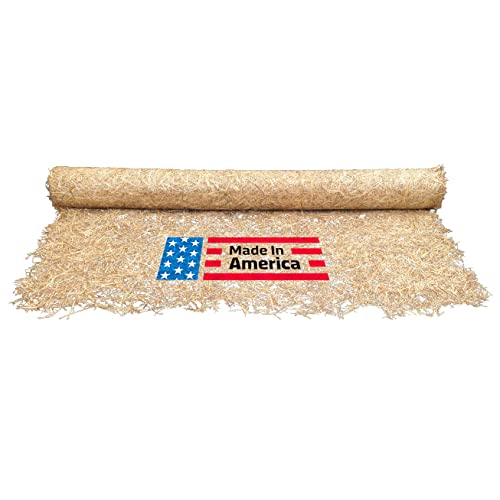
The Sandbaggy Straw Matting Rolls provide erosion control for slopes and moderate-flow channels. Made with straw embedded in a double net system, these blankets help slow water flow, trap sediment, and protect newly seeded areas. The product is suitable for slopes of 3:1 to 2:1 and is designed to work as a temporary but durable erosion barrier while grass and groundcovers establish roots. Straw’s natural water absorption aids in moisture retention, which can improve germination rates and seedling survival on steeper grades.
Key features include double net strength, which enhances stability and longevity compared with single-net blankets. This makes the matting a reliable option for longer erosion-control projects or slopes exposed to intermittent heavy rains. For optimal grass establishment, pair the straw blanket with a seed mix appropriate for your region and maintain a moisture plan that avoids desiccation during the critical germination window. Straw blankets are typically a short-to-medium-term stabilization tool that complements longer-term solutions like ground grids and living slope reinforcement.
Maintenance considerations include monitoring for wind displacement and ensuring edges are properly buried or weighted to prevent movement. In practice, straw matting works best when used with a complementary stabilization strategy—such as gentle grading, a seed bed, and subsequent protection by a durable grid or mulch layer to support ongoing grassy growth on the slope.
VEVOR Gravel Grid 4 Inch Depth
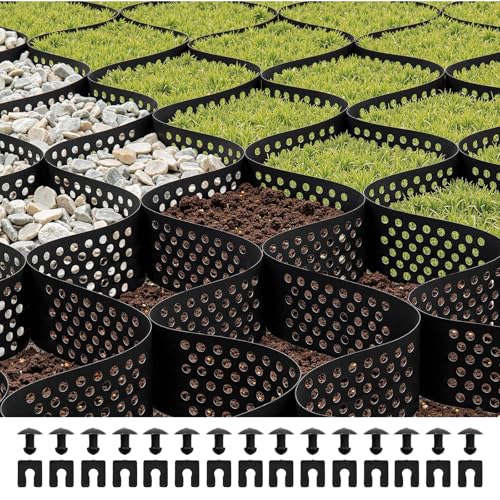
VEVOR’s Gravel Grid, 4 Inch Depth offers a versatile, permeable geo grid solution for slopes, gardens, patios, and walkways. Each unit measures 17.06 ft by 8.86 ft, with cells designed to stabilize soil or gravel within the grid. The grid’s depth (4 inches) enhances load distribution and erosion resistance, making it suitable for areas with light vehicle use on slopes or foot traffic across graded terrain. The cells can be filled with soil, gravel, or grass to create a stable, vegetative slope that resists washouts and supports root growth.
The HDPE construction combines with an ultrasonic welding process to deliver robust strength and a long service life. The grid is designed for cut-and-fit customization, enabling on-site adjustments to fit irregular slopes. Its three-dimensional honeycomb structure helps distribute loads and manage lateral pressures, improving stability for both soil and seeded turf. Permeability is preserved to allow drainage, which is essential on slopes to avoid standing water and related erosion issues.
When planning grass establishment on slopes using this system, consider the slope angle, soil type, and drainage. A well-graded fill, proper seed selection, and a timely irrigation plan will improve germination and root establishment. The VEVOR grid pairs well with a living slope approach in conjunction with hydro-seeding or traditional seed planting to create a durable, grassy slope that resists erosion and supports ongoing turf health.
Cordless Remote Control Lawn Mower for Sloped Lawns

The iBaeggs Cordless Remote Control Lawn Mower is designed to tackle lawn care on hills and slopes with remote operation. This mower features all-wheel-drive capability and can handle 45° slope climbs, making it a practical tool for maintaining grass on challenging grades. With a 2″-3″ adjustable cutting height and a 60-minute runtime powered by dual batteries, it supports efficient mowing on moderate to steep sections of a yard. At only about 17 pounds, it offers portability and ease of use for multi-level landscapes.
Safety is a focus, with features like an emergency stop, a remote control range of up to several tens of feet, and user-friendly operation for precise, safe mowing. For slope-oriented maintenance, this tool complements physical stabilization methods by ensuring a neat, attractive grass cover across graded areas. When used with a robust soil preparation and seed plan, the mower helps maintain a consistent appearance while reducing manual labor on slopes.
Consider the mower’s power constraints, battery life, and the specific slope degree of your yard. It works best for light-to-moderate slope mowing rather than extremely steep grades. Pair with erosion-control measures and appropriate seed mixes to sustain grass health on slopes through growing seasons and weather changes.
Xoxocos Golf Sunglasses for Slope Reading

While not a direct slope-stabilization product, the Xoxocos Golf Sunglasses offer practical value for slope-related outdoor activities. These polarized sunglasses help reduce glare and improve depth perception, which can be useful for assessing grass direction, grain on greens, and slope height when planning restoration or maintenance work. They provide UV400 protection and a lightweight design for extended wear during outdoor slope projects. For anyone moving across a hillside to assess soil, seed coverage, or material placement, clear vision is essential to accurate decision-making.
Choosing eyewear with good polarization and color contrast can aid in evaluating turf texture, feathering edges of seed beds, and monitoring moisture distribution across a slope. While sunglasses do not perform a stabilization function, they support safer, more precise work in outdoor slope environments.
UBHOME Robot Lawn Mower RTK+AI for Slopes

The UBHOME Robot Lawn Mower uses an advanced RTK+AI Vision system for precise navigation and obstacle avoidance, enabling reliable mowing on slopes. This model supports up to 55% slopes and does not require perimeter wires, offering a wire-free setup that can be convenient for irregular or extended slope terrain. The mower operates through a smart app, enabling scheduling, tracking, and remote adjustments, with real-time status alerts for battery or errors. Its operator-friendly design is intended for large lawns and uneven terrain where manual mowing is impractical.
With its AI-assisted navigation and robust connectivity, the UBHOME robot mower can maintain grassy slopes efficiently, reducing labor while maintaining an even cut. It is best suited for medium to large slopes with open areas and obstacles that the AI vision system can recognize and navigate. Integrating this mower with a slope-focused maintenance plan—combining erosion control measures, seedings, and drainage improvements—helps sustain a healthy, tidy lawn on sloped properties.
Buying Guide: Key Considerations for Sloped Grass Projects
When choosing products for slope stabilization and grass establishment, consider these factors to optimize performance and outcomes:
- Slope grade and drainage: Assess the incline angle and drainage patterns. Steeper slopes require stronger stabilization systems (grids or blankets) and well-planned drainage to prevent erosion and washout of seed and soil.
- Soil type and compaction: Identify soil texture and compaction. Lighter soils may benefit from grid reinforcement and careful seed selection, while heavier soils may need deeper stabilization and moisture management to support root growth.
- Material permeability: Choose permeable grids or blankets to promote drainage and reduce surface runoff. Permeability supports healthy grass establishment by enabling water infiltration and air exchange at the root zone.
- Load bearing and traffic: If the slope supports foot traffic, equipment, or vehicles, select grids with high load-bearing capacity. Ensure the system distributes loads evenly to minimize soil displacement.
- Grass establishment strategy: Plan seed or sodding in conjunction with stabilization. Some products provide a better seedbed or hold seed in place, improving germination on slopes. Consider erosion blankets for seeds and living ground covers for long-term stabilization.
- Maintenance and accessibility: For larger properties, automation tools like robotic mowers can reduce maintenance effort. Choose tools compatible with slope conditions and your terrain’s accessibility.
- Durability and climate: Select durable materials designed to withstand local weather, freezing-thaw cycles, and UV exposure. Recyclable options may offer sustainability benefits.
- Installation complexity: Some products require professional installation, while others are DIY-friendly. Match your skill level and time budget with the product’s installation demands.
Practical strategy: combine a stable substrate (grid or matting) with a grass establishment plan. Use a seed mix appropriate for your climate and sun exposure, apply mulch or soil amendments as needed, and schedule irrigation to support seed germination and early root growth. Reassess slope stability after significant rainfall and adjust erosion-control measures if necessary. For larger slopes, integrating a smart mowing solution can help maintain the grass cover effectively without compromising stability or accessibility.