Choosing the right grass for partial shade can be tricky, but the best seed blends are designed to tolerate limited sunlight while still delivering dense, green turf. The selections below come from reputable brands and are formulated to establish quickly in mixed sun and shade conditions, with mixes tailored for dense shade and sun-and-shade zones. Use this guide to compare options, understand coverage, and select a seed that fits your lawn’s light pattern and maintenance routine.
| Product | Brand | Approx. Coverage | Key Benefit |
|---|---|---|---|
| Jonathan Green 12002 Black Beauty Sun & Shade Grass Seed Mixture | GoodFair | 2250 sq. ft. | Elite turfgrasses with wide adaptability |
| Pennington Smart Seed Sun and Shade Grass Mix | Pennington | Varies by bag (7 lb) | Balanced blend for sun and moderate shade |
| Pennington Smart Seed Dense Shade Grass Mix | Pennington | 7 lb | Thick, green grass in shady conditions |
| Jonathan Green 10610 Black Beauty Dense Shade Grass Seed | Jonathan Green | 25 lb bag | Shade-tolerant and quick establishing |
| Scotts EZ Seed Patch & Repair Sun and Shade | Scotts | 3.75 lb | All-in-one patch and repair for bare spots |
Note: Each product is designed to perform in partially shaded areas, but results can vary with soil quality, moisture, and local climate. Check the seed mix composition for shade tolerance and adjust watering to support germination during the first 2–3 weeks after planting.
Jonathan Green 12002 Black Beauty Sun & Shade Grass Seed Mixture

Brand: Jonathan Green • Coverage: 2250 sq. ft. • Bag Size: 3 lbs • Key Features: Shade-tolerant mix with wide adaptability; fast establishment; designed for sun and shade areas. Germination typically begins within 14–21 days under proper moisture.
The Black Beauty Sun & Shade mix is crafted to tolerate partial sun and light shade around trees, buildings, or northern-facing lawns. It aims to deliver a darker green lawn with strong establishment, leveraging endophyte-enhanced seeds that may help with disease resistance and vigor during establishment in mixed light environments.
Pennington Smart Seed Sun and Shade Grass Mix
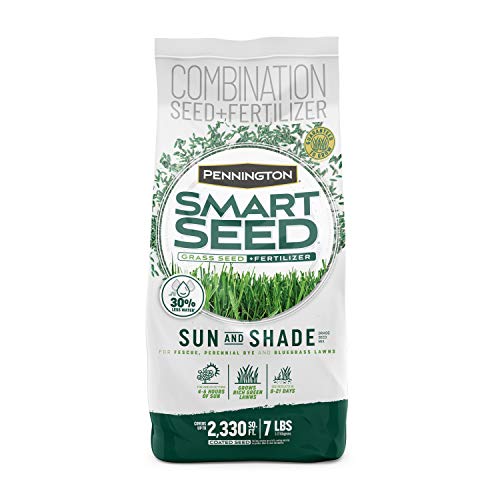
Brand: Pennington • Size: 7 lb • Key Features: Balanced mix of Tall Fescue, Perennial Ryegrass, Kentucky Bluegrass, and Fine Fescue; suitable for sun with moderate shade; includes targeted fertilizer for establishment.
This blend aims to provide a versatile option for lawns where some areas receive full sun while others fall into partial shade. The mixture combines several cool-season grasses to improve resilience against uneven light exposure, helping the lawn stay lush as shade patterns shift throughout the day and season.
Pennington Smart Seed Dense Shade Grass Mix
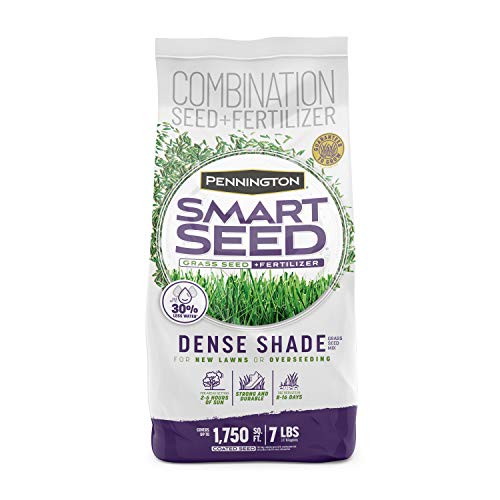
Brand: Pennington • Size: 7 lb • Key Features: Tall Fescue and Fine Fescue focus to thrive in shady conditions; dense growth; includes fertilizer ratio for lawn success.
The Dense Shade mix targets areas with limited sun, emphasizing shade-tolerant varieties that can still germinate and establish a dense turf. This is suitable for lawns under tree canopies or shaded by structures, where you want a robust, green carpet even with less light.
Jonathan Green 10610 Black Beauty Dense Shade Grass Seed

Brand: Jonathan Green • Coverage: 1,800 sq ft • Bag Size: 3 lb • Key Features: Shade-tolerant seed mix designed for areas with limited sunlight; produces a dark green lawn; germination in 14–21 days with beneficial endophytes.
Designed for stubborn shade, this blend prioritizes aesthetic appeal and resilience in low-light zones. It’s suitable for lawns with large trees or structures that block sunlight for significant portions of the day. Quick germination supports an early, dense establishment in shaded patches.
Scotts EZ Seed Patch & Repair Sun and Shade
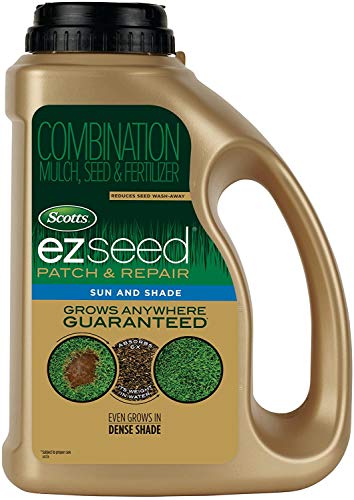
Brand: Scotts • Size: 3.75 lb • Key Features: All-in-one solution with seed, mulch, fertilizer, tackifier, and protectant; suitable for sun and shade; easy repair of bare spots.
Scotts EZ Seed Patch & Repair combines seed with mulch and nutrients to help seed stay in place and establish in challenging light conditions. It’s convenient for covering bare patches in lawns that experience varying sun exposure and can be particularly helpful for quick repairs in shaded zones near sidewalks or driveways.
Buying Guide: Key Considerations for Partial Shade Lawns
When selecting grass for partial shade, consider the following perspectives to ensure a well-adapted lawn that meets maintenance needs and climate realities.
- Shade Tolerance: Look for blends specifically labeled for shade or sun/shade suitability. Dense Shade and Shade-Tolerant mixes often outperform standard drought-tense varieties in low-light areas.
- Rooting and Density: Seed blends that emphasize root development and dense turf tend to resist weed intrusion and stay green in mixed light zones.
- Germination Time: Quick-germinating blends (often within 14–21 days) can reduce weed pressure and establish a uniform lawn faster in shady patches.
- Adaptability: Choose mixes with wide adaptability to varying soil types and moisture levels. Some blends perform well in both sandy and clay soils with proper preparation.
- Maintenance: Consider fertilization needs and mowing height. Shade-tolerant grasses may require different mowing frequencies to maintain density without stressing plants.
- Soil Preparation: Prepare the seedbed by removing competition, aerating, and incorporating a starter fertilizer to improve germination and root establishment in shaded zones.
- Watering Regime: Shade reduces evaporation, but new seedlings still require consistent moisture to establish. Water deeply but infrequently to encourage deep rooting.
- Local Climate: Cool-season grasses generally perform best in temperate regions with distinct seasons. In warmer regions, select blends designed for heat tolerance alongside shade tolerance.
- Size and Coverage: Verify bag coverage corresponds to your lawn area. Dense shade mixes may offer different coverage ratings than sun-and-shade blends.
- Seed Type: Decide between cool-season and warm-season grasses based on your location and seasonal light patterns. For most American cool-season climates, blends like Tall Fescue and Fine Fescue are popular in shade.
To optimize results, follow recommended sowing rates, water schedules, and mowing practices. Monitor germination in the first 2–3 weeks and adjust irrigation to prevent seed washout in higher slope or windy areas.